



Why Mixing Alcohol and Caffeine May Not Be a Good Idea
Many people enjoy drinking coffee in the morning or having an energy drink during the day. Others choose alcoholic beverages during social gatherings or celebrations. Because both are common, some people decide to combine them without thinking much about the possible effects. However, alcohol and caffeine affect the body in different ways, and using them together may not always be the best choice.
Understanding how alcohol and caffeine work can help people make informed decisions. While one acts as a depressant and the other is a stimulant, they do not simply cancel each other out. Instead, their combination can affect the body in ways that may increase certain risks.
What Are Alcohol and Caffeine?
Before looking at what happens when they are mixed, it helps to understand what each one does.
Alcohol slows down the central nervous system. It can reduce coordination, slow reaction time, and affect judgment. As alcohol intake increases, its impact on the body generally becomes more noticeable. In contrast, caffeine is a stimulating substance.
It can help people feel more awake and alert for a short time. It is naturally found in coffee and tea and is also added to many soft drinks and energy drinks. Because alcohol and caffeine have different effects, many people assume they balance each other. However, the human body does not function like that.
Why People Mix Alcohol and Caffeine
Some people mix alcohol and caffeine because they believe it will help them stay awake longer during parties or social events. Others simply enjoy the taste of certain mixed drinks that contain both ingredients.
Energy drinks combined with alcohol have also become popular in some places. While these drinks may seem harmless, experts have raised concerns about how they may affect judgment and decision-making.
How the Combination May Affect the Body
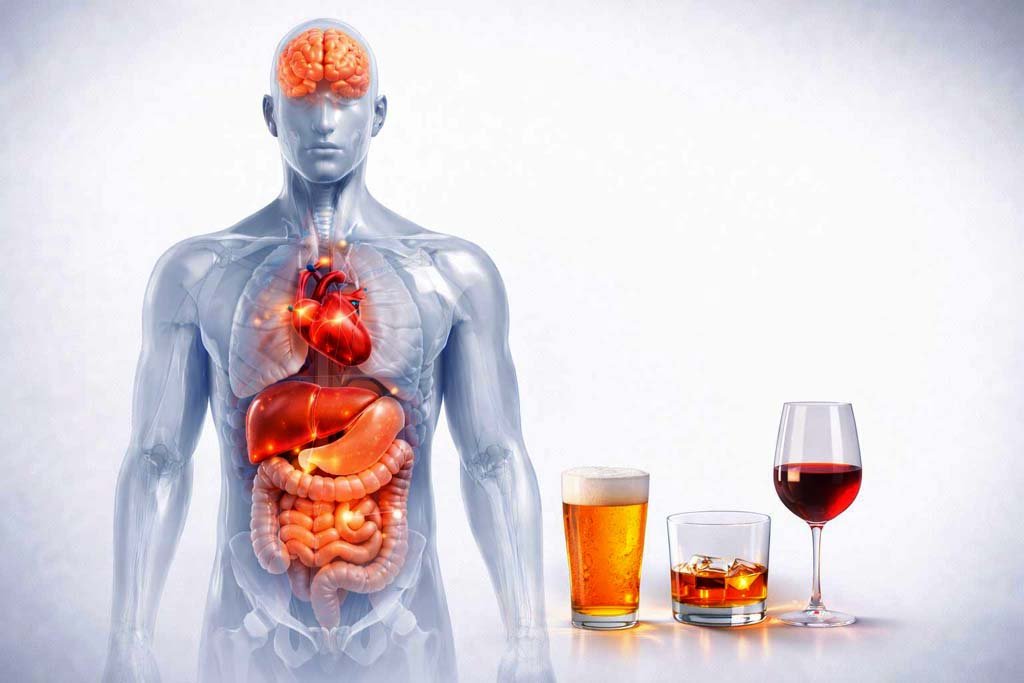
When alcohol and caffeine are consumed together, caffeine may reduce the feeling of tiredness that alcohol normally causes. However, this does not mean alcohol is no longer affecting the body.
A person may feel more awake while still experiencing slower reaction times and impaired judgment caused by alcohol. This can create a false sense of confidence, leading someone to believe they are less affected than they actually are.
Possible Risks
Mixing alcohol and caffeine may increase the chance of making risky decisions because people often feel more alert than they truly are.
Some possible concerns include:
Poor decision-making
Reduced coordination
Slower reaction times
Drinking more alcohol than intended Increased risk of accidents
Although caffeine may temporarily reduce sleepiness, it does not reduce the amount of alcohol in the bloodstream or improve physical coordination.
The Importance of Drinking Responsibly
Everyone’s body reacts differently. Age, body size, overall health, and the amount consumed can all influence how alcohol and caffeine affect an individual.
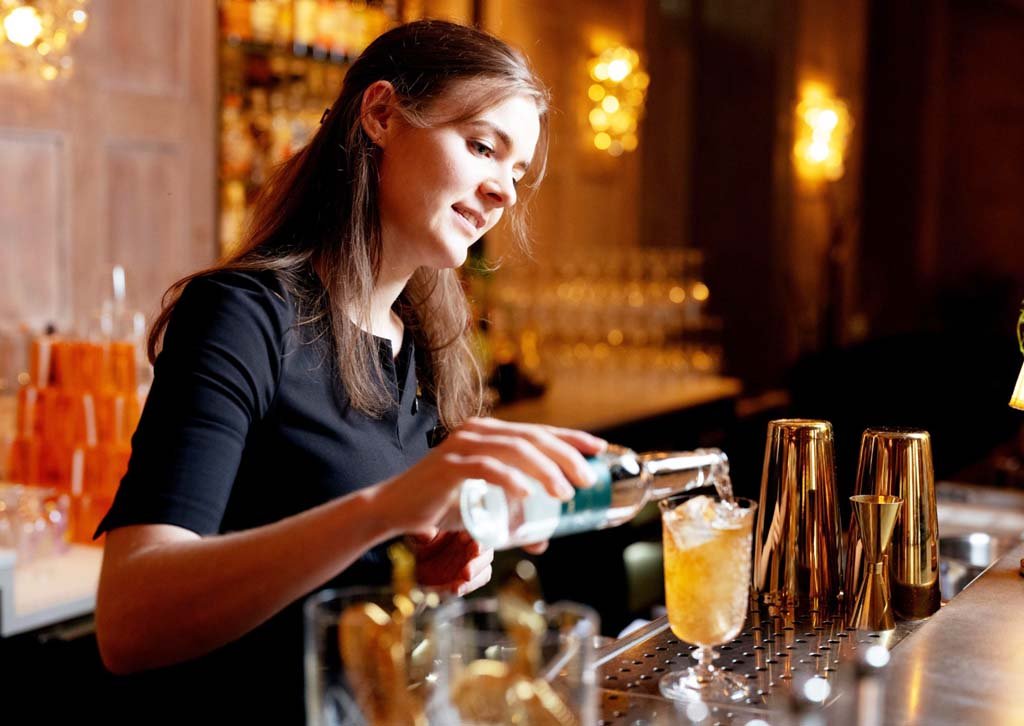
If someone chooses to drink alcohol, moderation is important. Drinking slowly, eating food, and staying hydrated with water can help reduce some of alcohol’s effects.
It is also important to avoid driving or operating machinery after drinking alcohol, even if caffeine makes someone feel more awake.
Energy Drinks and Alcohol
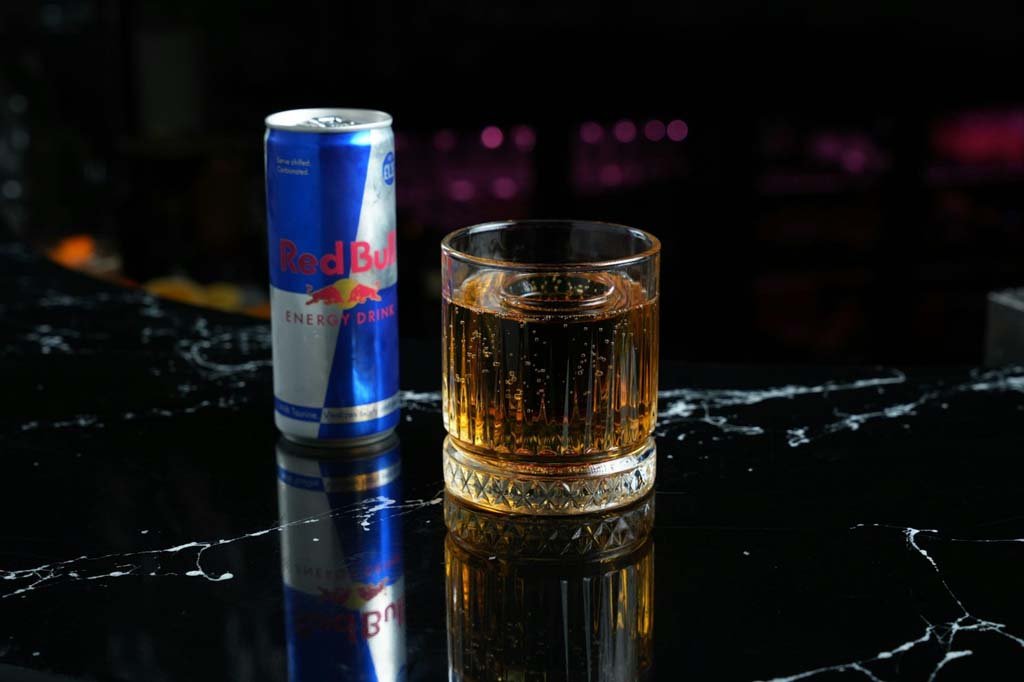
Many discussions about alcohol and caffeine focus on energy drinks. These beverages often contain high amounts of caffeine along with other stimulating ingredients.
When mixed with alcohol, they may make people feel less tired without improving coordination or judgment. Because of this, some individuals may continue drinking longer than they otherwise would.
Reading product labels and understanding caffeine content can help people make more informed choices.

What Research Suggests
Research suggests that combining alcohol and caffeine may make people feel more alert without reducing alcohol-related impairment. In other words, someone may feel awake while their reaction time and decision-making abilities remain affected by alcohol.
For this reason, many health experts recommend being cautious when consuming both substances together.
Healthier Alternatives
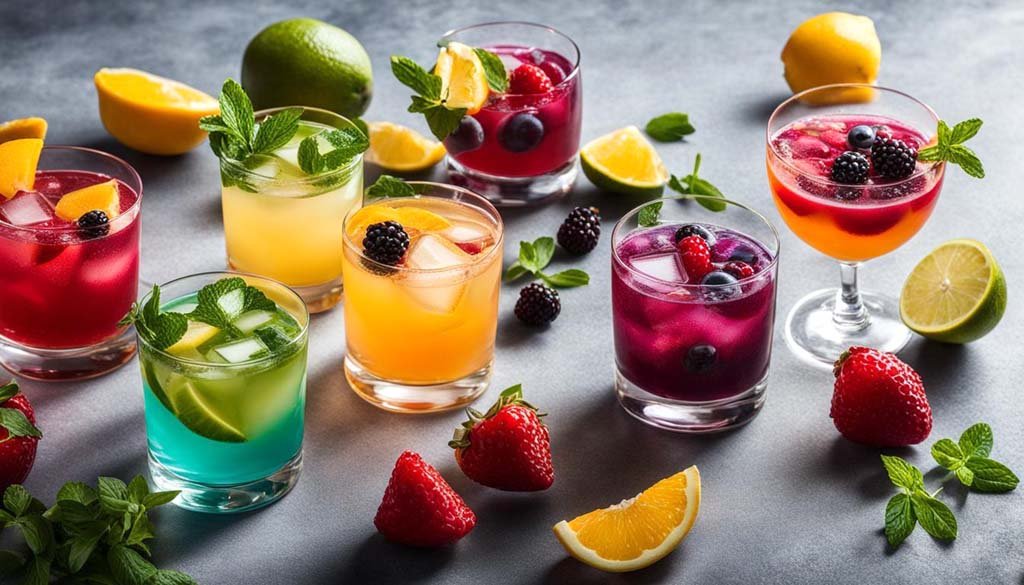
If you enjoy social gatherings but want to reduce caffeine or alcohol intake, there are many alternatives available.
Some popular options include:
Sparkling water with fresh fruit
Fresh fruit juice
Herbal tea
Flavored water
Non-alcoholic mocktails
These drinks are a great option for staying refreshed without consuming alcohol and caffeine together.
Tips for Staying Safe

Simple habits can make a big difference during social occasions.
Drink water regularly.
Eat before and during drinking.
Know your personal limits.
Avoid mixing multiple stimulants with alcohol.
Arrange safe transportation if drinking alcohol.
Never pressure others to drink.
Making thoughtful choices helps everyone enjoy social events more safely.
Conclusion
Understanding how alcohol and caffeine affect the body is an important step toward making informed decisions. While caffeine may reduce feelings of tiredness, it does not remove alcohol’s effects on coordination, judgment, or reaction time.
Choosing moderation, staying hydrated, and being aware of how your body responds can help reduce unnecessary risks. Whether enjoying coffee, tea, energy drinks, or alcoholic beverages, using them responsibly is always the better approach.
Being informed allows people to make smarter choices and enjoy social occasions while keeping their health and safety in mind.

1 Comment
Pingback: Funny Photos: 19 Risky Fails That Will Make You Laugh And T