


Why Do Cats Change as They Grow Up? Knowing Your Cat Through Every Age
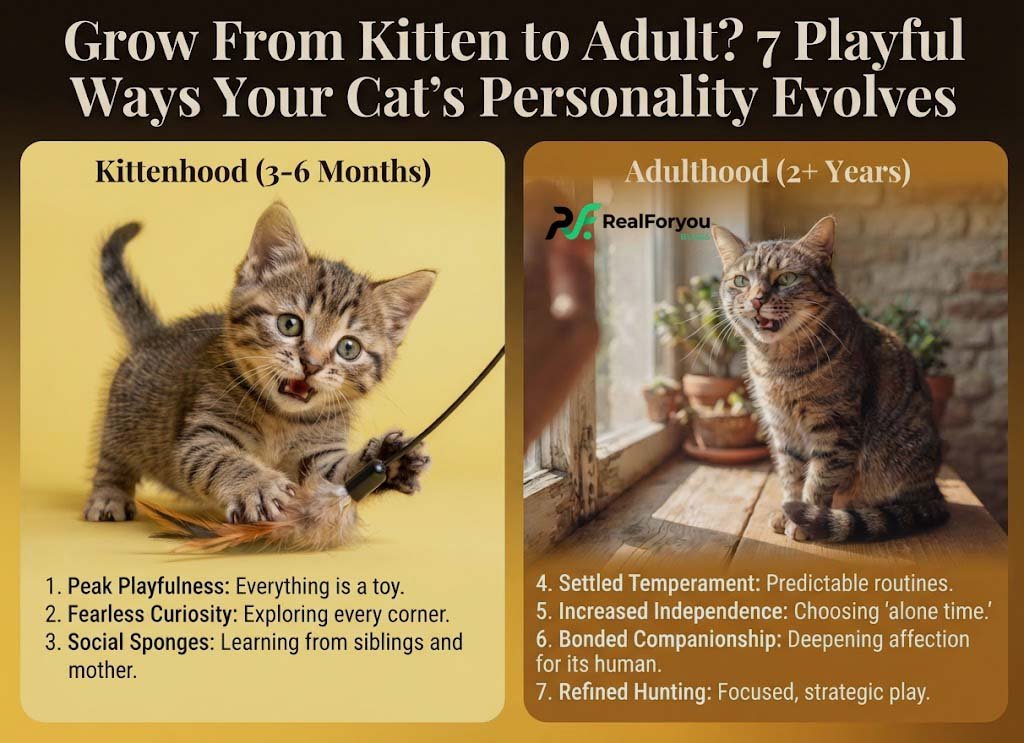
A kitten that once spent most of the day playing, climbing, and exploring may eventually become a calmer cat that prefers sleeping in a favorite corner. This change can surprise new cat owners. You may even wonder, why cats change as they grow up and whether your pet is becoming less affectionate or less playful.
The truth is that cats naturally change as they move through different stages of life. Their bodies, energy levels, social behavior, sleeping patterns, and personalities can develop over time. Understanding these changes can help owners provide the right care and avoid expecting an adult cat to behave exactly like a kitten.
1. Kittens Have Huge Amounts of Energy
Young kittens are naturally curious and energetic. They spend much of their waking time exploring their environment, chasing objects, climbing, jumping, and learning how things work.
At this stage, play is more than entertainment. It helps kittens develop coordination, hunting skills, confidence, and social abilities.
This is one reason kittens can seem almost impossible to keep up with.
As cats mature, their energy requirements and activity patterns generally change.
2. Their Sleeping Habits Change
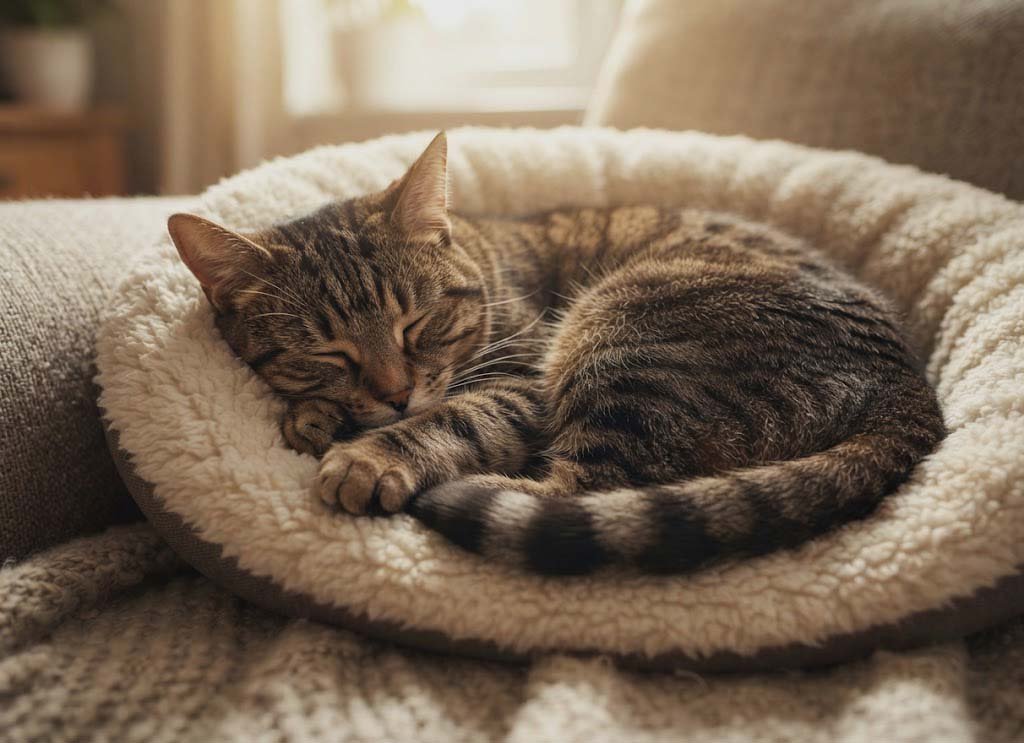
Cats are known for sleeping a lot throughout their lives, but their sleeping patterns can change as they age.
Kittens need plenty of rest because their bodies are growing and developing. Adult cats may develop more predictable periods of activity and sleep.
Older cats may spend even more time resting. Just because this happens doesn’t mean something’s off. However, a sudden major increase in sleeping or a noticeable decline in normal activity should be discussed with a veterinarian.
3. Their Personality Can Become More Noticeable
A kitten’s personality is still developing. As it grows, certain traits may become clearer.
A kitten that loves meeting people may become an outgoing adult. A cautious kitten may remain more reserved. Some cats become especially affectionate as they become comfortable in their environment.
This is another important reason why cats change as they grow up: experience helps shape how they respond to people, animals, and situations.
4. Play Often Becomes Less Intense
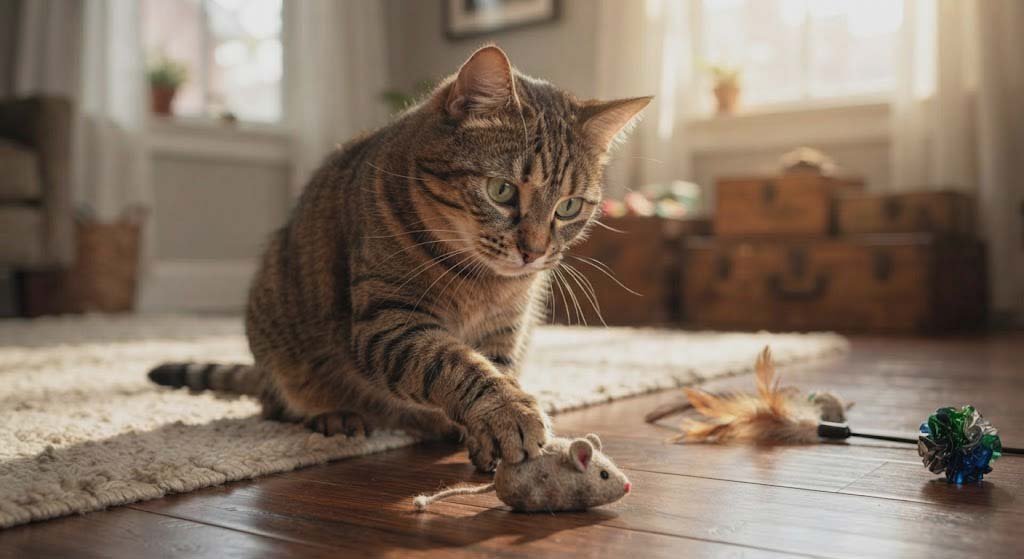
Adult cats can still enjoy playing, but they may not have the same endless energy as kittens.
Instead of spending hours running around, an adult cat may prefer shorter play sessions followed by rest.
Owners should not assume that a calmer cat has stopped enjoying life. It may simply have different energy needs.
Keeping appropriate toys available and providing regular opportunities for activity can help adult cats remain physically and mentally stimulated.
5. Their Social Behavior Can Change
Cats can become more confident as they become familiar with their surroundings.
A kitten may initially hide from visitors or unfamiliar sounds. With positive experiences, it may gradually become more comfortable.
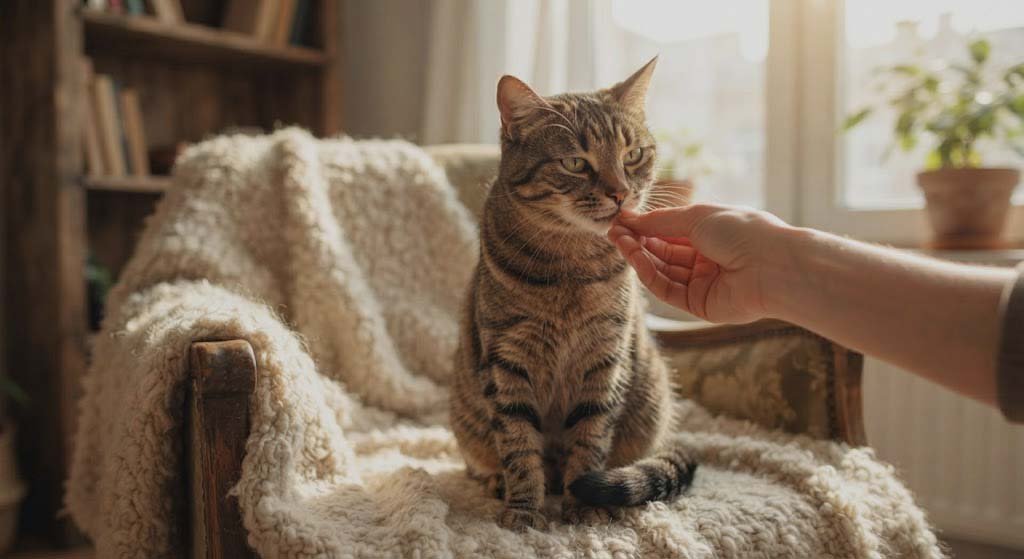
On the other hand, some cats become more selective about who they interact with as they mature. They may prefer spending time with familiar people rather than greeting everyone.
These differences are part of individual personality.
6. Their Appearance Changes With Age
Physical changes are one of the clearest answers to why cats change as they grow up.
Kittens grow rapidly during their early months. Their body shape changes, their muscles develop, and their adult features become more noticeable.
Their coat may also change in texture or appearance as they mature. An adult cat can look very different from the tiny kitten it once was.
7. Their Eating Habits Change
Growing kittens require nutrition that supports development. Their dietary requirements shift as they get older.
Adult cats generally require food formulated for maintaining their bodies rather than supporting rapid growth.
Later in life, some cats may require adjustments to their diet based on their health, activity level, or veterinary recommendations.
Owners should therefore expect feeding requirements to change as their cats grow.
8. Hormones Can Influence Behavior
Sexual maturity can bring noticeable behavioral changes in cats that have not been spayed or neutered.
Hormonal changes can influence behaviors such as roaming, marking, vocalization, and attempts to find a mate.
Spaying or neutering can reduce or prevent some hormone-related behaviors. Discussing the appropriate timing with a veterinarian can help owners make an informed decision for their cat.
9. Adult Cats Often Become More Independent
One of the biggest surprises for some owners is that a kitten that constantly wants attention may become more independent as it matures.
This does not necessarily mean the cat loves you less.
An adult cat may simply feel secure enough to spend time alone. It may enjoy sitting nearby rather than directly on you or choose when it wants affection.
Independence can actually be a sign that your cat feels comfortable in its environment.
10. Older Cats May Slow Down
As cats enter their senior years, physical changes can become more noticeable.
They may jump less frequently, play for shorter periods, sleep more, or prefer easier-to-reach resting places.
Providing comfortable bedding, accessible food and water, and easy access to the litter box can make daily life easier for an older cat.
Regular veterinary checkups are also important because older cats can develop health problems that are not always obvious at first.
11. Experience Shapes Their Behavior
A cat’s experiences can influence how it behaves throughout life.
Positive interactions with people can help build confidence. Negative experiences may make a cat more cautious.
Changes in the household, moving to a new home, introducing another pet, or changes in routine can also influence behavior.
This means growing up is not only about getting older. It is also about learning from the environment.
12. Every Cat Ages Differently
Not all cats follow exactly the same pattern.
Some adult cats remain extremely playful. Some senior cats continue climbing and exploring. Others become quiet and prefer long periods of rest.
Breed, genetics, environment, nutrition, health, socialization, and individual personality can all influence how a cat changes.
There is no single personality that every cat develops.
When Changes Should Concern You
Normal aging happens gradually. A sudden or dramatic behavioral change deserves more attention.
For example, if a cat suddenly stops eating, becomes unusually withdrawn, stops grooming, changes its litter-box habits, vocalizes much more than usual, or appears to have difficulty moving, it may need veterinary attention.
Understanding why cats change as they grow up should not mean assuming every change is simply part of aging. Sometimes behavioral changes can be an early sign that something is wrong.
How Owners Can Support Their Cats as They Grow
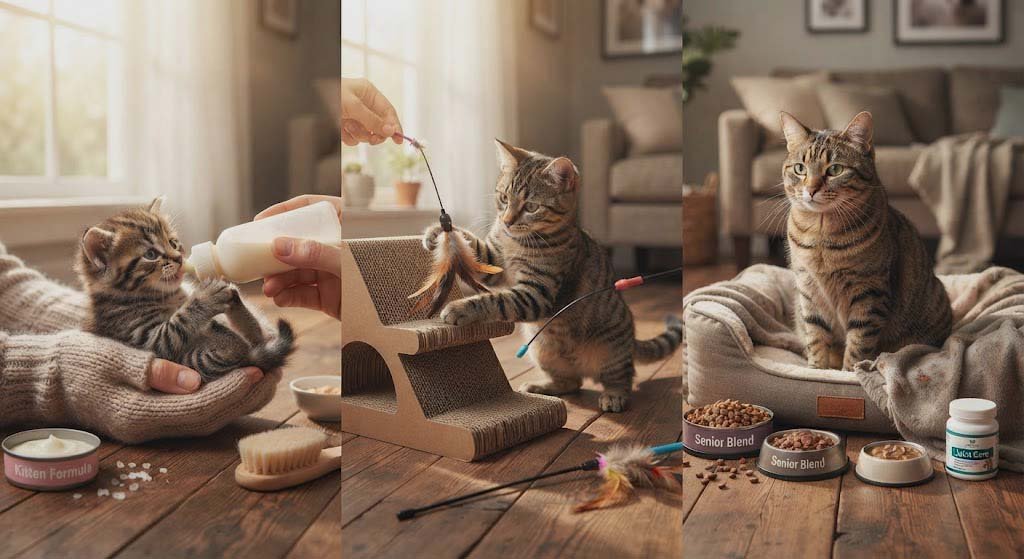
The best approach is to adapt to your cat’s changing needs.
A kitten may need more play and supervision. An adult cat may benefit from a balanced routine, enrichment, and regular exercise. An older cat may need additional comfort and easier access to essential resources.
Most importantly, observe your individual cat rather than comparing it constantly with other cats.
Final Thoughts
So, why cats change as they grow up has many answers. Their bodies mature, energy levels shift, personalities develop, experiences shape their behavior, and their needs change with age.
A kitten becoming a calmer adult does not mean that its personality has disappeared. It may simply be entering a new stage of life.
About Author
I, Dua Qamar, wrote this article because I believe that watching a cat grow is one of the most rewarding parts of being a pet owner. Every stage brings something different—from the curiosity of kittenhood to the confidence of adulthood and the quiet character of old age.
Instead of wishing your cat would remain the same forever, appreciate every version of it.
Your cat is not becoming a different animal. It is becoming more fully itself with every stage of life.
Written by Dua Qamar
