



15 Things Your Cat Wants You to Understand: Decoding Your Cat’s Hidden Messages
Cats don’t use words, but they’re always sending us messages. A slow blink, a twitching tail, a sudden hiding session, or a quiet meow can all carry a message. The challenge is that humans do not always understand what their cats are trying to say.
Many cat owners interpret feline behavior through a human perspective. A cat hiding may seem unfriendly, while a cat following you everywhere may seem needy. In reality, these behaviors can have completely different meanings.
1. “I Need My Own Space Sometimes”
Cats often enjoy companionship, but they also value personal space.
If your cat walks away after receiving attention, it does not necessarily mean that it dislikes you. It may simply have had enough interaction and want to rest alone.
Respecting this need can actually strengthen your relationship because your cat learns that you will not force interaction.
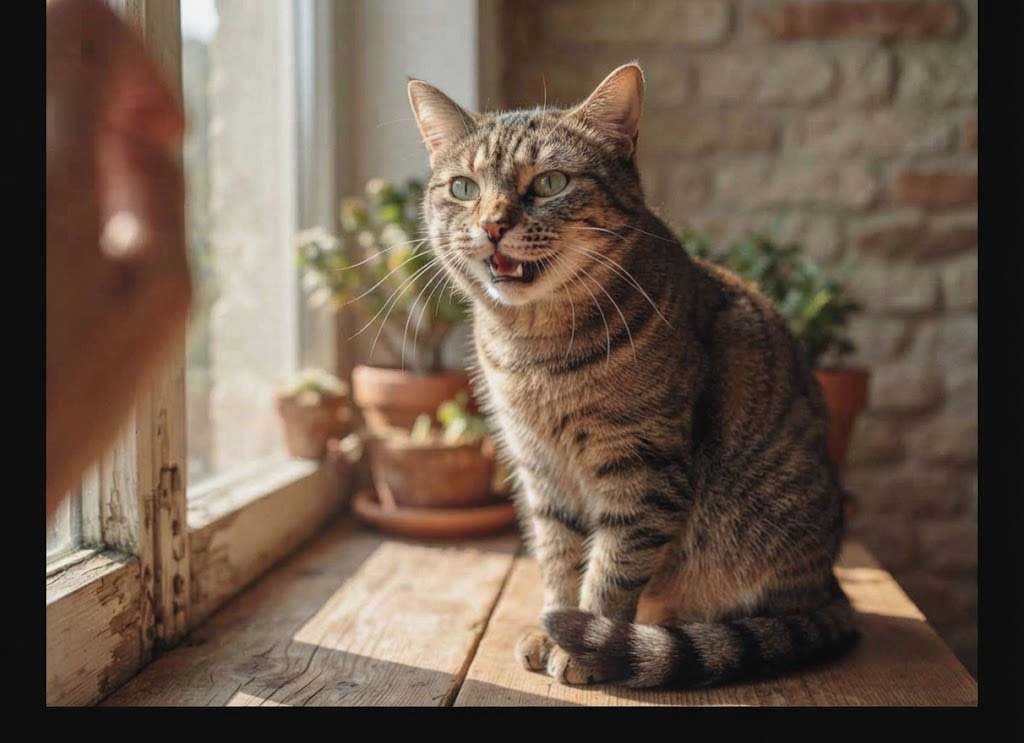
2. “My Tail Is Telling You Something”
A cat’s tail can provide useful clues about its emotional state.
A relaxed upright tail may accompany friendly behavior, while a puffed-up tail can signal fear or agitation. Rapid tail movement may indicate excitement or irritation depending on the situation.
Look at the entire body rather than interpreting tail movement alone.
3. “My slow blink quietly tells you that I trust you”
If your cat looks at you and slowly closes its eyes, it may be displaying comfort and trust.
You can try slowly blinking back. This gentle interaction can become a quiet form of communication between you and your cat.
4. “I Don’t Always Want a Belly Rub”
When a cat rolls onto its back, it may be showing that it feels safe enough to expose a vulnerable area.
However, this does not necessarily mean it wants its stomach touched.
Some cats enjoy belly rubs, while others may quickly grab or scratch an approaching hand. Learn your individual cat’s preferences rather than assuming every cat likes the same thing.
5. “My Meows Are Often For You”
Adult cats communicate with each other through many signals, but meowing is commonly used in interactions with humans.
Your cat may develop different sounds for food, greetings, attention, or requests. Over time, you may begin to recognize the differences in your cat’s vocalizations.
6. “I’m by your side because you truly matter to me”
If your cat follows you around the house, it may be curious, hungry, bored, or simply interested in being near you.
Cats are capable of forming deep connections with people. Following you may be one of the ways your cat maintains that connection.
7. “I Scratch Because It’s Natural”
When your cat scratches the sofa or another surface, it is not necessarily trying to annoy you.
Scratching can help cats maintain their claws, stretch their bodies, mark territory, and release energy.
Providing appropriate scratching posts can allow your cat to perform this natural behavior without damaging household furniture.
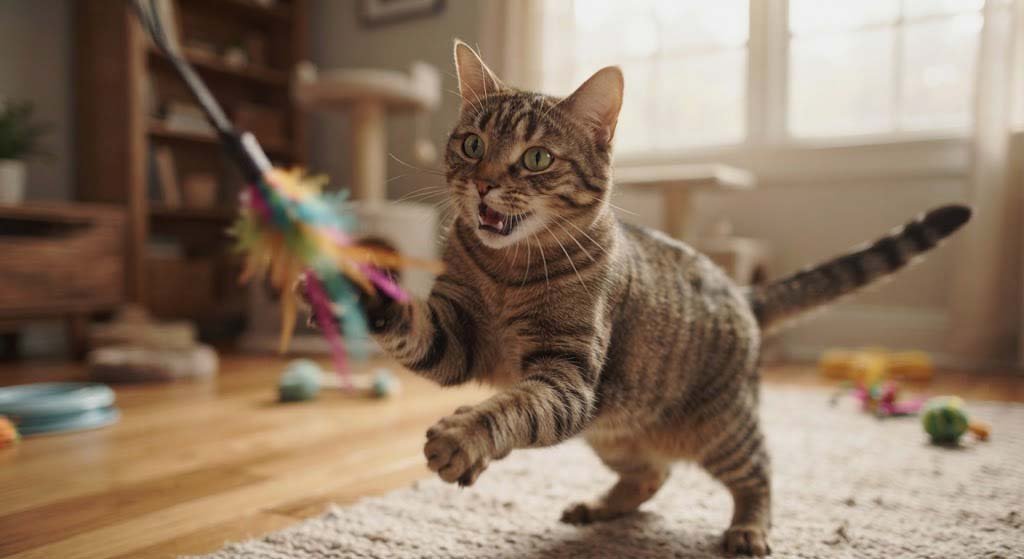
8. “I Need Playtime”
Cats need mental and physical stimulation.
Chasing toys, jumping, stalking, and pouncing allow cats to express natural hunting behaviors. A cat that receives little stimulation may become bored or develop unwanted behaviors.
Regular interactive play can help keep your cat active and engaged.
9. “My hiding spot makes me feel secure”
Cats sometimes hide when they are frightened, overwhelmed, tired, or simply looking for a peaceful place.
A quiet hiding area can be especially useful in homes with children, visitors, other pets, or frequent noise.
Do not automatically pull your cat out of its hiding place. Give it time to come out on its own unless there is a genuine safety concern.
10. “I Like Routine”
Cats often feel comfortable when their environment is predictable.
Regular feeding times, familiar sleeping areas, consistent interaction, and stable routines can help your cat feel secure.
Sudden changes can sometimes cause stress, so introducing major changes gradually can be helpful.
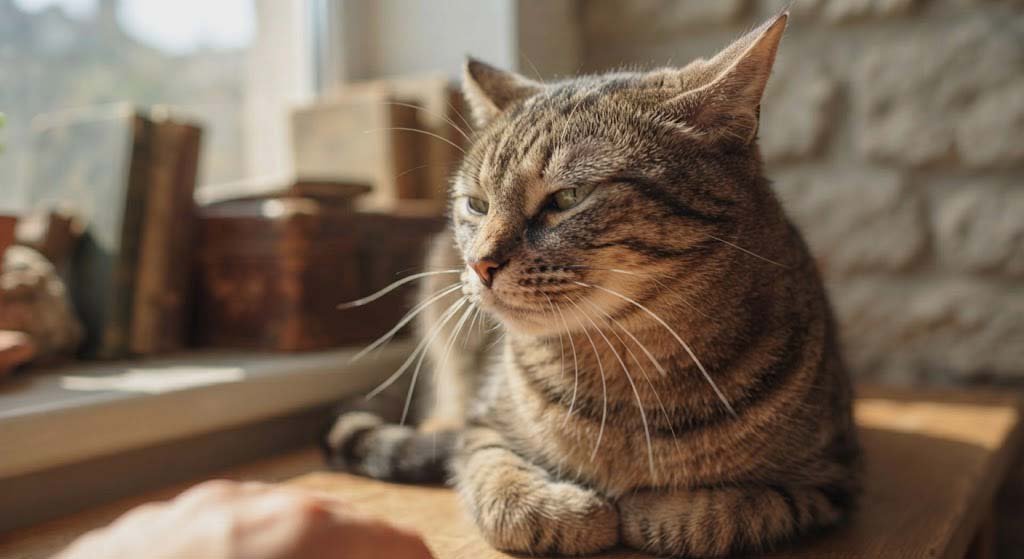
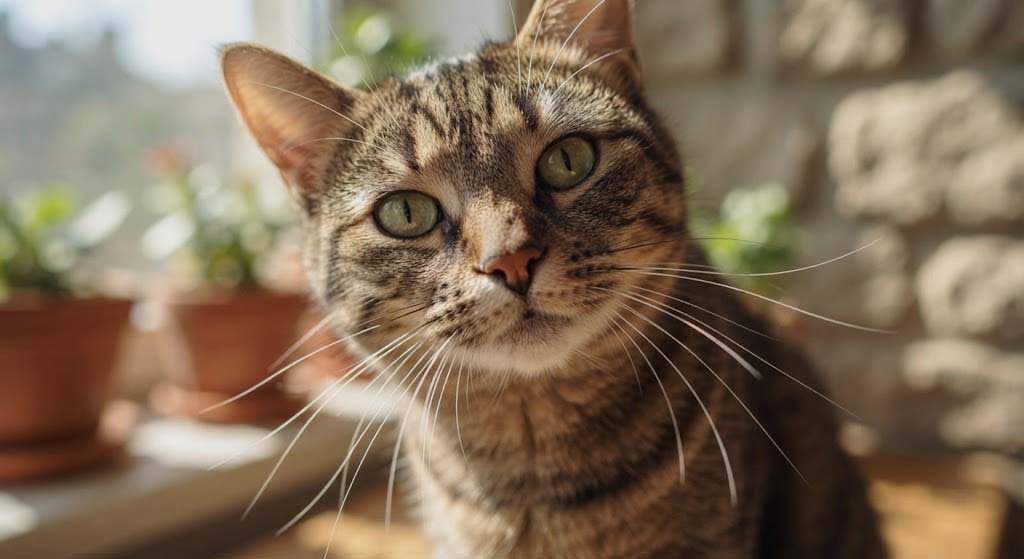
11. “My Whiskers Are Important”
Whiskers are highly sensitive sensory structures. They help cats gather information about nearby objects and their surroundings.
They are not simply decorative hairs. Avoid trimming them unnecessarily, and pay attention if your cat appears uncomfortable when eating from a particular bowl.
12. “Purring Doesn’t Always Mean I’m Happy”
Purring is commonly associated with contentment, but cats can also purr when they are stressed, frightened, or uncomfortable.
Therefore, don’t judge your cat’s emotional state based on purring alone. Look at its posture, ears, eyes, appetite, movement, and overall behavior.
13. “I Show Affection Differently From You”
Not every cat will sit on your lap or constantly demand cuddles.
Some cats show affection by sitting beside you, following you, sleeping nearby, rubbing against you, greeting you at the door, or simply choosing to remain in the same room.
Your cat may love you without expressing affection in the way you expect.
14. “I Don’t Like Being Forced”
Cats generally respond better to voluntary interaction.
If your cat walks away, struggles when held, or shows signs of stress, give it some space. Forcing physical contact can make a cat feel unsafe and may weaken trust.
Letting your cat choose when to approach can create a stronger bond over time.
15. “Please Notice When My Behavior Changes”
One of the most important things your cat wants you to understand is that changes in behavior can matter.
If your normally social cat suddenly hides constantly, stops eating, becomes unusually aggressive, changes its litter-box habits, stops grooming, or seems unusually tired, don’t simply assume it is being moody.
Behavioral changes can sometimes accompany stress, pain, or illness. If a significant change persists or is accompanied by other concerning signs, consult a veterinarian.
How to Understand Your Cat Better
The best way to understand the things your cat wants you to understand is to observe patterns rather than isolated actions.
Pay attention to:
Your cat’s ears
Tail position
Eyes and facial expressions
Body posture
Vocalizations
Eating habits
Sleeping patterns
Grooming
Reactions to people and other animals
Over time, you will learn your cat’s individual communication style.
Final Thoughts
The things your cat wants you to understand are often hidden in small everyday behaviors. Your cat may be telling you that it trusts you through a slow blink, asking for attention with a meow, requesting space by walking away, or showing affection by quietly sitting beside you.
About Author
I, Dua Qamar, wrote this article because I believe that understanding an animal is one of the best ways to care for it. Cats may not be able to tell us exactly what they need, but they give us plenty of clues if we take the time to notice them.
Your cat does not need you to understand every behavior perfectly. It simply needs you to pay attention, respect its boundaries, and learn its unique way of communicating.
Written by Dua Qamar
