


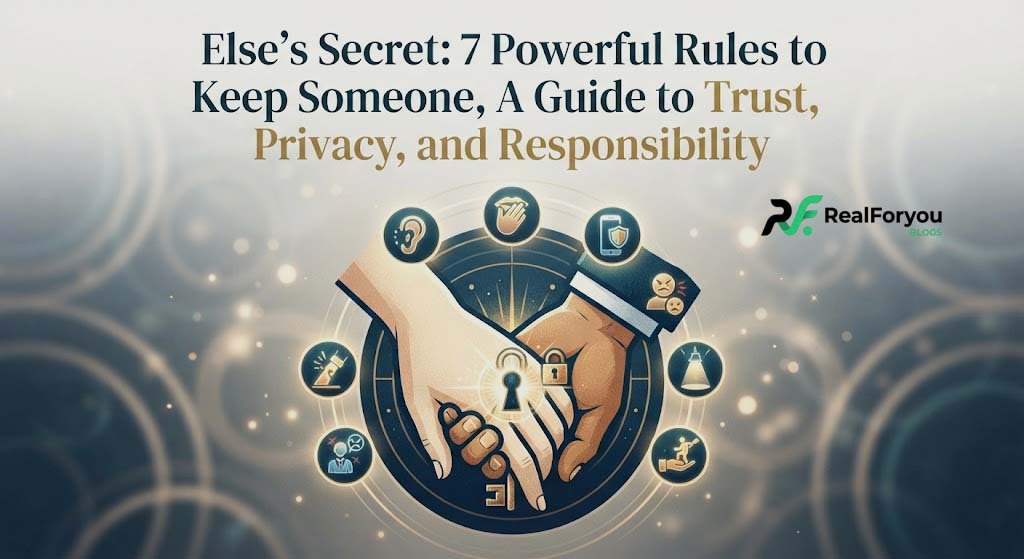
How to Keep Someone Else’s Secret: A Guide to Trust, Privacy, and Responsibility
Keeping someone else’s secret is a responsibility that requires maturity, self-control, and good judgment. When a person trusts you with something private, they are often sharing a part of their life that they do not want everyone to know. That trust can take years to build but only seconds to destroy.
A secret may be something personal, embarrassing, emotional, or simply private. Whatever the reason, knowing how to keep someone else’s secret can strengthen friendships and relationships. At the same time, not every secret should be kept. If a secret involves immediate danger, abuse, serious harm, or someone being at risk, seeking appropriate help can be more important than keeping confidentiality.
1. Understand That the Secret Is Not Yours
The first rule of keeping someone else’s secret is simple: remember that the information belongs to them.
Even if you know the details, you do not have automatic permission to tell another person. Being curious does not give you ownership of someone’s personal story.
Before sharing anything, ask yourself:
“Did this person give me permission to tell someone else?”
If the answer is no, keeping the information private is usually the respectful choice.

2. Do Not Share the Secret as Gossip
One of the easiest ways for a secret to spread is through casual conversation.
You might think, “I’m only telling one person,” but that person may tell another person, and the information can quickly travel beyond your control.
Avoid phrases such as:
“Don’t tell anyone, but…”
“I probably shouldn’t say this…”
“Keep this between us…”
These statements often become the beginning of gossip.
If someone trusted you with private information, protecting that trust means not turning their experience into entertainment or conversation.
3. Be Careful With Your Phone and Social Media
Keeping a secret today also requires digital awareness.
Private conversations can be accidentally exposed through screenshots, forwarded messages, shared devices, social media posts, or careless comments.
Do not post hints about someone’s situation. Avoid sharing screenshots of private conversations without permission, even if you hide the person’s name.
Digital information can spread quickly and may be impossible to completely remove once it has been shared.

4. Control Yourself When You Are Emotional
Strong emotions can make people reveal information they normally would protect.
During an argument, someone might reveal another person’s secret to hurt them. Anger can make private information feel like a weapon.
If you are angry with the person who trusted you, take time before speaking. Their secret should not become ammunition during a disagreement.
A trustworthy person protects private information even when the relationship becomes difficult.
5. Do Not Use the Secret for Attention
Sometimes people reveal secrets because they want others to be impressed by how much they know.
They may think:
“I’m the only person who knows this.”
That feeling can be tempting, but it is not worth damaging someone’s trust.
You do not need to prove that you are important by showing that people tell you private things. In fact, your ability to keep information private is often a stronger sign of character.

6. Know When You Need Advice
There may be situations where you genuinely need guidance about something someone has told you.
If possible, ask the person who shared the secret whether you can discuss the situation with someone trustworthy. You can also seek general advice without revealing identifying details.
For example, instead of describing exactly who did what, you might explain the situation in general terms.
This allows you to seek help while still protecting the person’s privacy.
7. Recognize That Some Secrets Should Not Stay Secret
Confidentiality has limits.
If someone tells you that they intend to seriously hurt themselves or another person, or if a child or vulnerable person is being abused or placed in serious danger, keeping the information completely private may not be the responsible choice.
In such circumstances, seek help from an appropriate trusted adult, professional, emergency service, or relevant authority.
Protecting someone’s privacy should never mean ignoring serious danger.

8. Keep Your Words Consistent
A person who wants to be trusted should practice consistency.
If you promise to keep a secret, do not make jokes about it, indirectly hint at it, or reveal small pieces of information that allow others to figure out the rest.
Confidentiality is not only about avoiding the exact words. It is also about avoiding clues that expose the person’s private situation.
9. Think About How You Would Feel
Before revealing someone’s secret, imagine the situation being reversed.
If you shared something deeply personal with a friend, would you want that friend telling others?
This simple question can change the way you think about confidentiality.
Empathy helps us understand that private information can carry emotional weight. What seems like a small detail to you may be extremely important to someone else.

10. Build a Reputation for Trust
People remember who they can trust.
Someone who repeatedly shares private information may eventually discover that others stop opening up to them. On the other hand, someone who respects confidentiality can become the person others feel safe talking to.
Being trustworthy does not mean knowing everyone’s secrets. It means handling private information responsibly when someone chooses to share it with you.

Final Thoughts
Learning how to keep someone else’s secret is ultimately about respect. It requires patience, emotional control, empathy, and an understanding of personal boundaries.
Do not share private information simply because you are excited, angry, curious, or looking for attention. Think before you speak, protect private conversations, and remember that trust is something valuable.
At the same time, remember that dangerous situations are different. If keeping a secret could allow someone to suffer serious harm, getting appropriate help may be the responsible thing to do.
About Author
I, Dua Qamar, wrote this article to encourage people to think more carefully about what they do with information that others trust them to protect.
Sometimes, the kindest thing you can do with someone’s story is simply keep it theirs.
Written by Dua Qamar
