


Airplane Food in Economy vs. First Class: 20 Airlines That Serve Very Different Meals
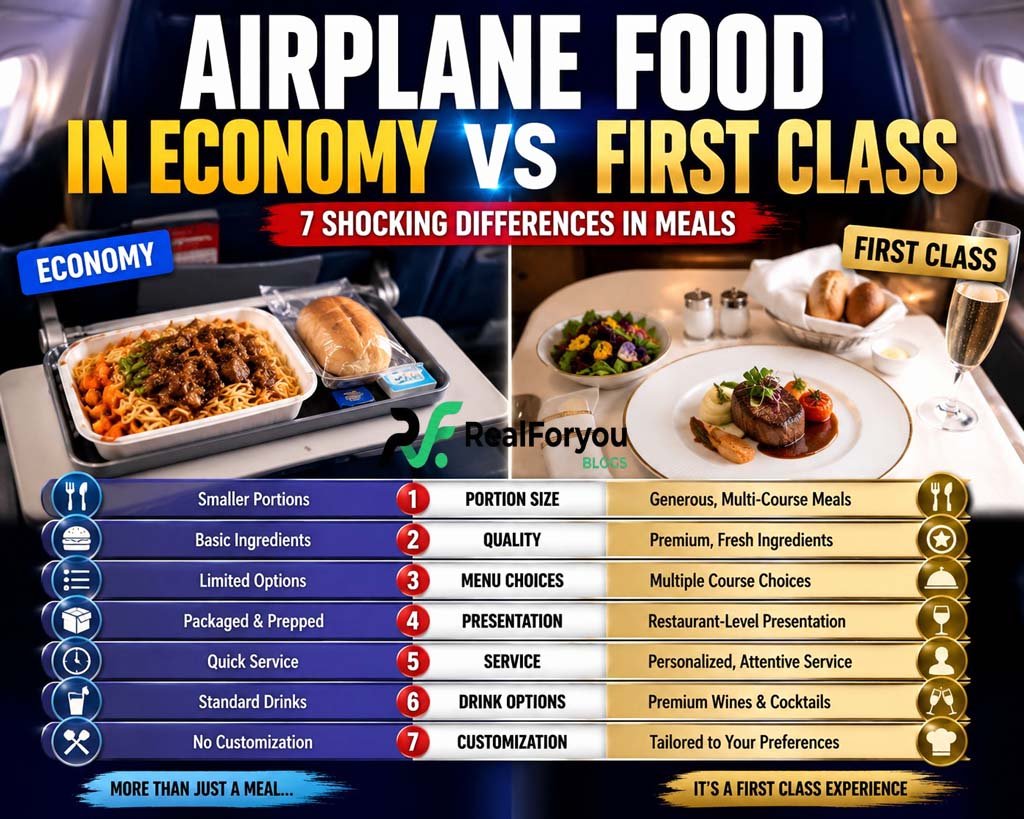
For many travelers, the in-flight meal is an important part of the flying experience. While some passengers simply expect a quick snack, others look forward to gourmet dining served thousands of feet above the ground. The difference between economy vs first class meals can be surprisingly large, with airlines offering everything from simple sandwiches to multi-course meals prepared by professional chefs.
Although meal options vary depending on the airline, route, and flight duration, premium cabins generally provide a much more luxurious dining experience. Let’s explore how economy vs first class meals compare across many of the world’s leading airlines.
Why Airline Meals Differ
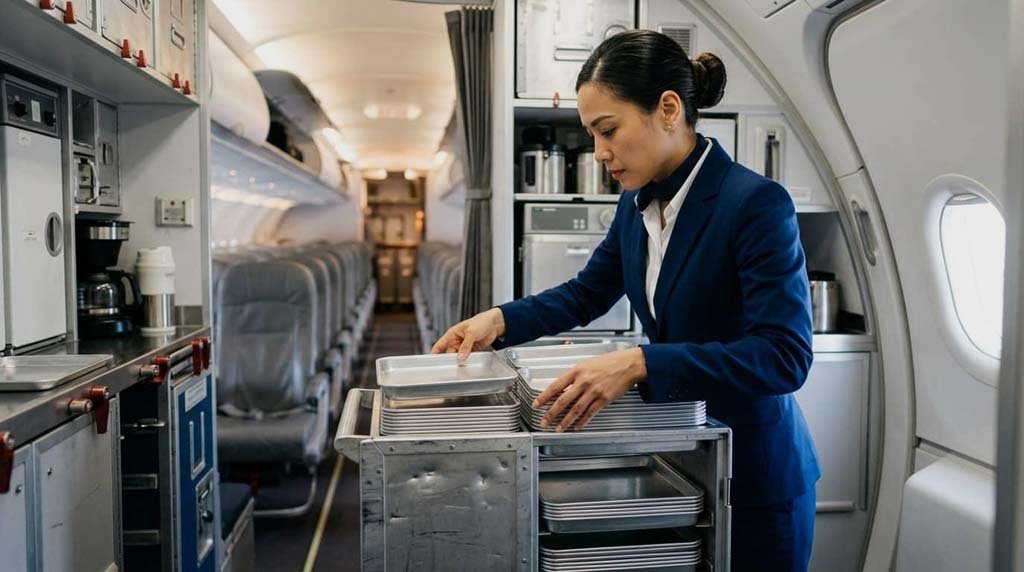
Airlines design meals based on flight length, cabin class, and passenger expectations.
Economy Class focuses on serving large numbers of passengers efficiently, while First Class emphasizes comfort, presentation, and personalized service.
This explains why the experience can feel completely different between the two cabins.
Economy Class Dining
Most economy passengers receive practical meals designed to be filling, convenient, and easy to serve.
Depending on the airline and route, passengers may receive:
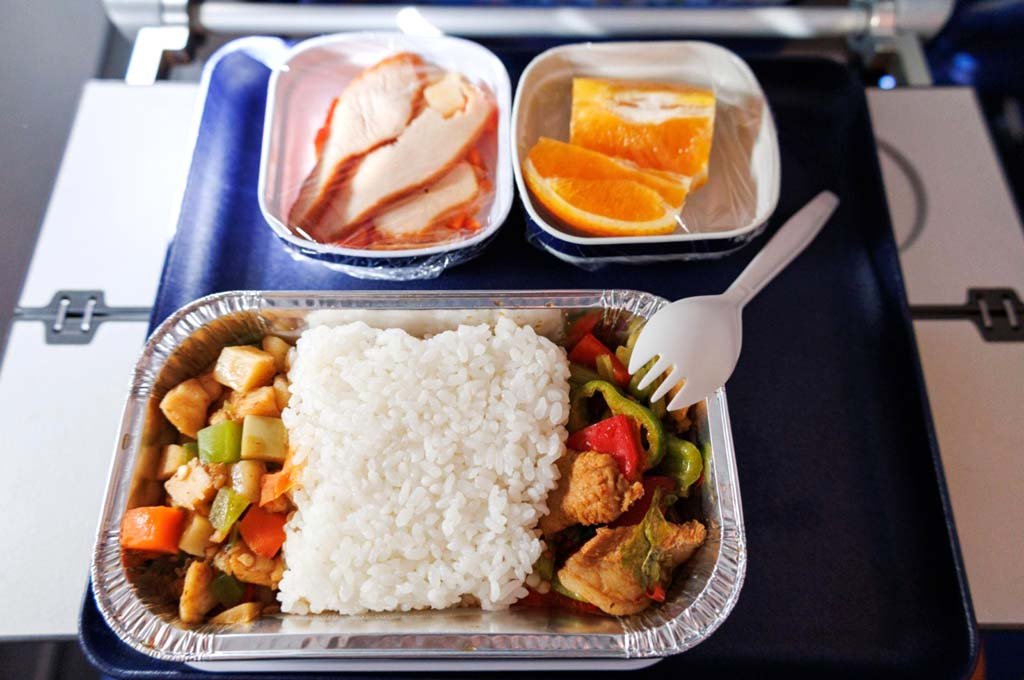
Hot meals
Sandwiches or wraps
Pasta or rice dishes
Bread rolls
Desserts
Soft drinks, tea, or coffee
These meals prioritize efficiency while still providing reasonable quality.
First Class Dining
When comparing economy vs first class meals, First Class clearly focuses on luxury.
Passengers often enjoy:
Multi-course menus
Premium appetizers
Fresh salads
High-quality meats or seafood
Gourmet desserts
Freshly prepared breakfast options
Premium beverages
Meals are usually served individually rather than on a single tray, creating a restaurant-style experience.
Better Ingredients
One noticeable difference in economy vs first class meals is ingredient quality.
Premium cabins often feature fresher produce, higher-quality proteins, specialty cheeses, artisan bread, and carefully selected desserts.
Many airlines also partner with well-known chefs to develop seasonal menus.
Beautiful Presentation
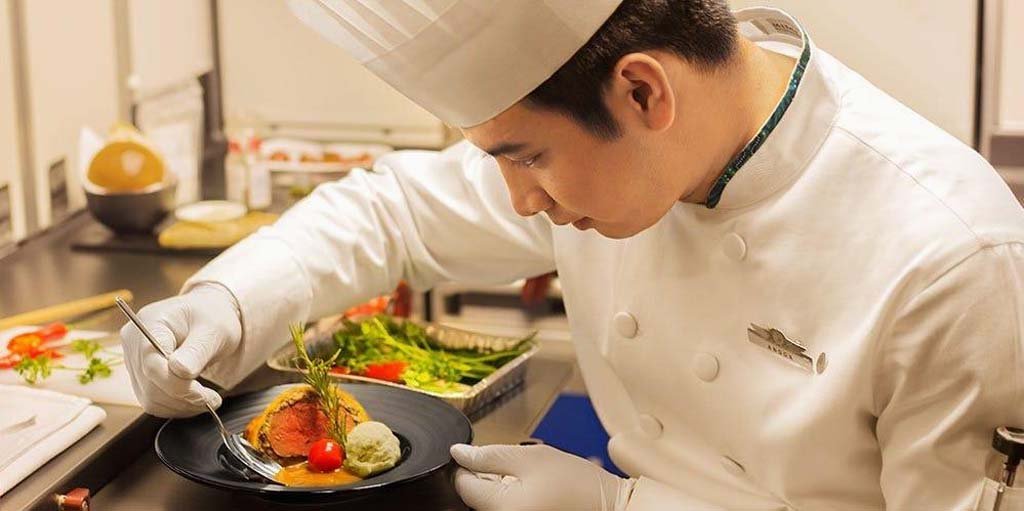
Presentation plays a major role in First Class dining.
Instead of plastic trays, passengers may receive porcelain plates, glassware, metal cutlery, cloth napkins, and carefully arranged meals.
This attention to detail enhances the overall experience.
Personalized Service
First Class passengers usually enjoy greater flexibility.
Cabin crew may allow travelers to choose when they would like to eat, while Economy meals are generally served according to a fixed schedule.
This personalized service makes dining feel more relaxed.
Menu Choices
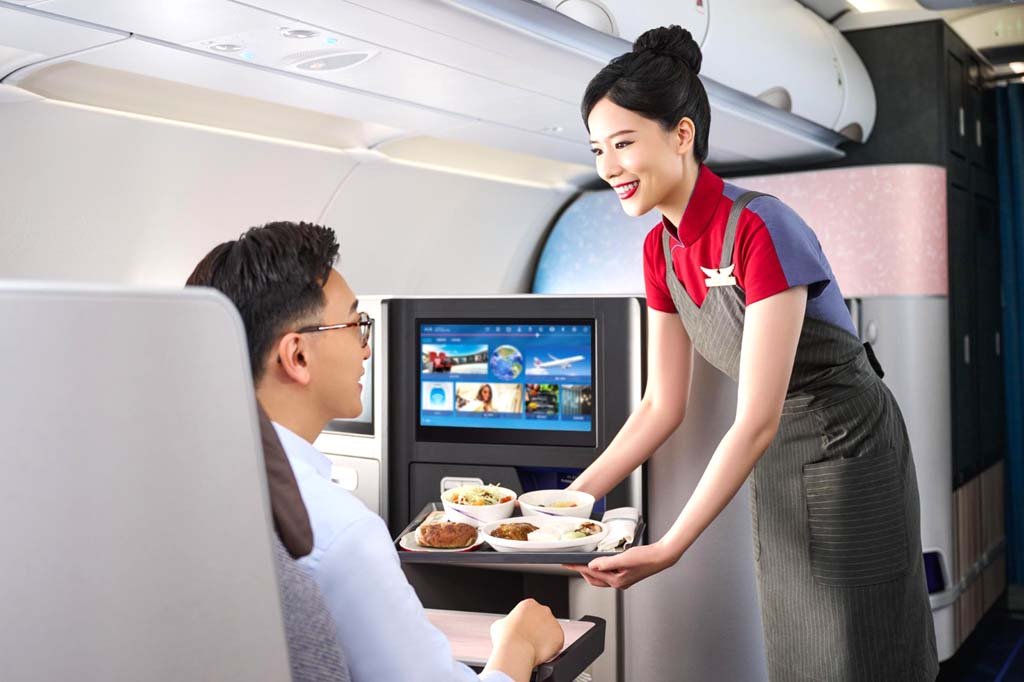
Economy passengers often select from one or two meal options.
By comparison, First Class travelers usually receive several choices, including international cuisine, vegetarian meals, seafood, premium steaks, or regional specialties.
More variety is another important difference in economy vs first class meals.
Beverage Selection
Drinks also vary significantly.
Economy passengers usually receive complimentary soft drinks, juice, tea, coffee, and water.
First Class often includes premium coffee, specialty teas, fresh juices, sparkling beverages, and a wider selection of refreshments depending on the airline.
Dessert Experience
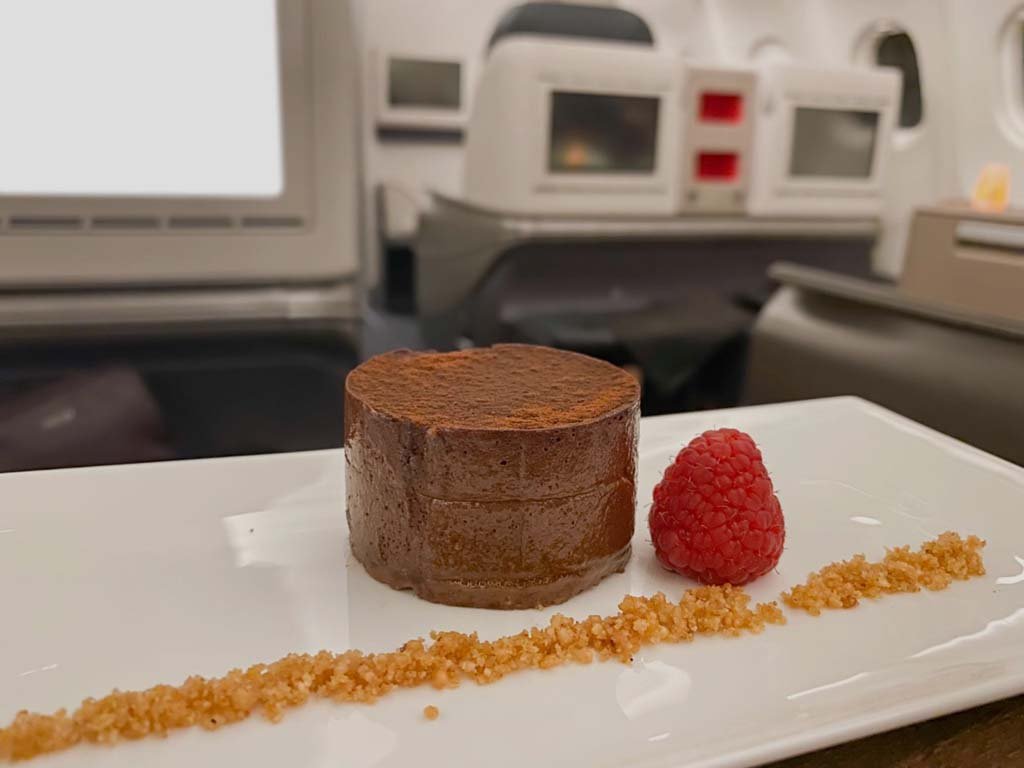
Desserts in Economy are typically simple, such as cake, cookies, or fruit.
Premium cabins frequently offer handcrafted desserts, gourmet pastries, specialty chocolates, cheese plates, or premium ice cream.
These small details help complete the luxury dining experience.
Comfort Makes Food Taste Better
The dining environment itself affects the experience.
Larger seats, quieter cabins, extra table space, and attentive service allow First Class passengers to enjoy meals more comfortably than travelers seated in Economy.
Why Meals Taste Different in the Air
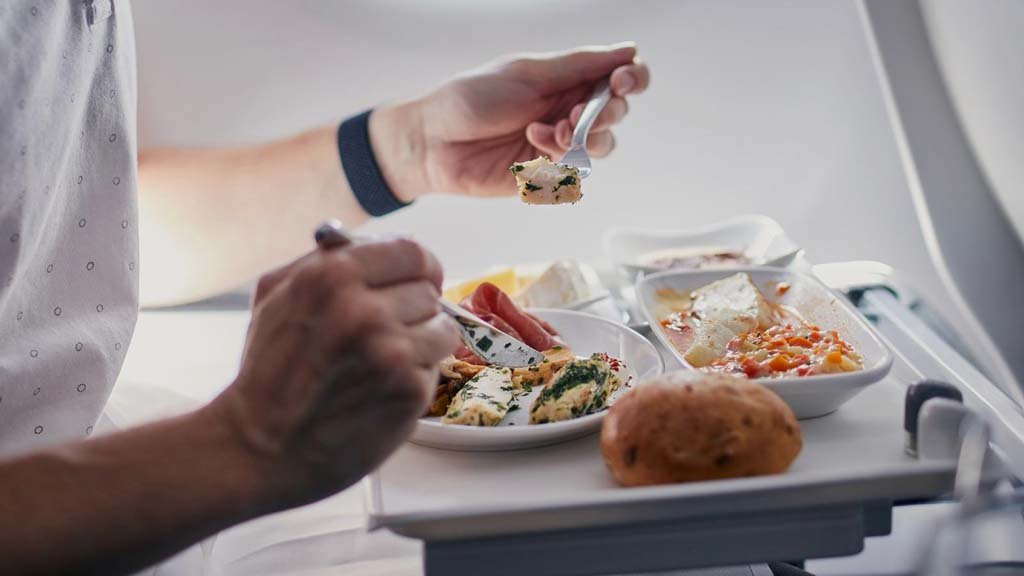
Air travel affects our senses.
Lower cabin humidity and air pressure reduce our ability to taste sweetness and saltiness, which is why airline chefs often design recipes differently than meals served on the ground.
This applies to both Economy and First Class dining.
Is First Class Food Worth It?
Whether First Class dining is worth the additional cost depends on individual travel preferences.
Some passengers value gourmet meals, privacy, and personalized service, while others simply want a comfortable meal that satisfies their hunger.
Both cabins aim to meet different expectations.
What Travelers Should Expect
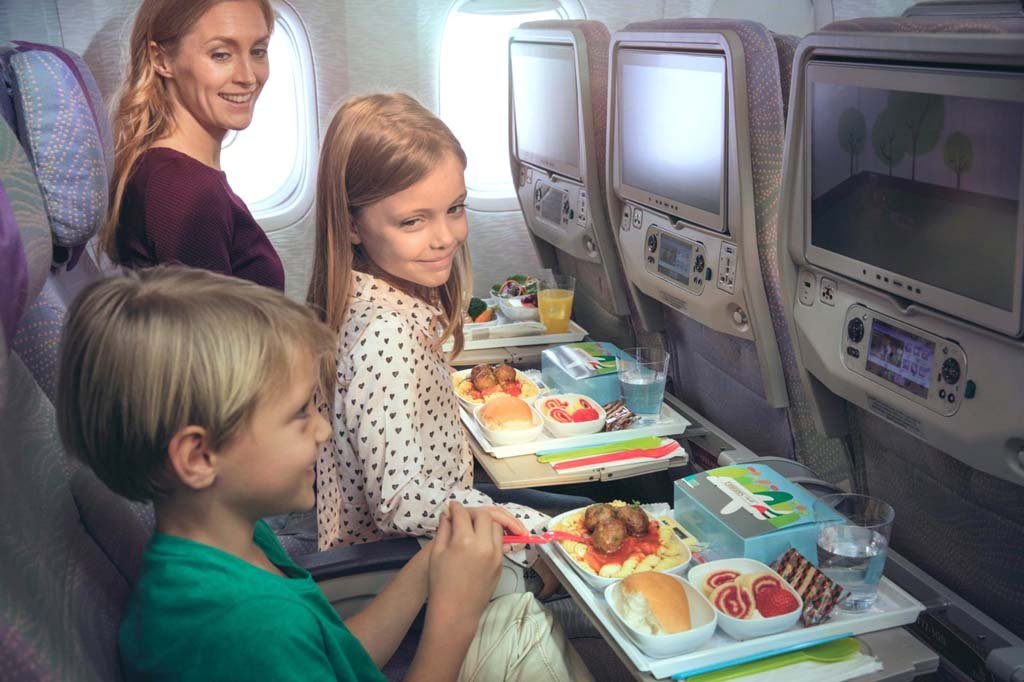
When comparing economy vs first class meals, it is important to remember that menus vary between airlines, aircraft, flight duration, and destination.
A short domestic flight may offer only snacks, while long international flights often include multiple meal services in both cabins.
Checking the airline’s website before traveling can help passengers understand what meals will be available.
Conclusion
The comparison between economy vs first class meals highlights how airlines create different experiences for different types of travelers. Economy Class focuses on practical, satisfying meals served efficiently, while First Class emphasizes premium ingredients, elegant presentation, and personalized service.
Regardless of the cabin you choose, airline meals continue to improve as carriers compete to provide better experiences for their passengers. Whether enjoying a simple hot meal or a gourmet multi-course dinner above the clouds, food remains one of the memorable parts of air travel.
