


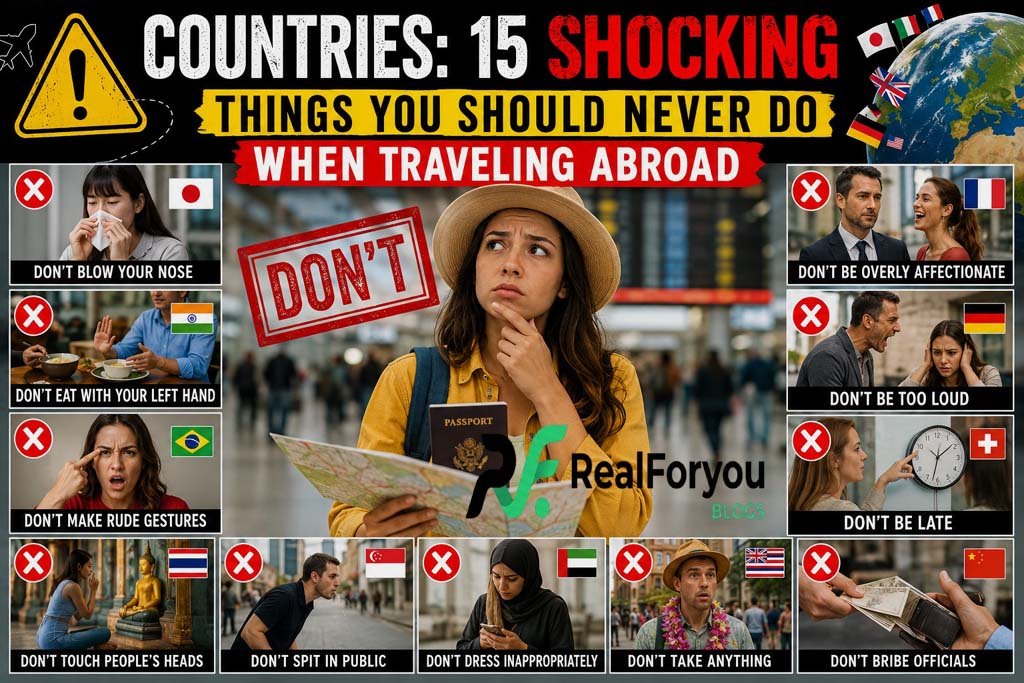
Things You Should Never Do In Foreign Countries Under Any Circumstances
Introduction
Traveling the world
opens your mind and broadens your perspective. But it can also land you in unexpected trouble if you don’t understand local laws, customs, and etiquette. What seems perfectly innocent at home might be deeply offensive—or even illegal—in another country.
The good news is that most cultural mistakes are easily avoidable with a little research before you go. “Behave like a reasonable, decent human being,” as one traveler wisely noted, “and that’ll get you 90 per cent of the way there in most places” . Still, that remaining ten percent can catch even the most well-intentioned visitor off guard.
Here are some of the most important things you should never do abroad—broken down by category so you can travel with confidence. Laws That Could Land You in Serious Trouble

Don’t Chew Gum in Singapore
This might sound bizarre, but Singapore has banned chewing gum since 1992 to keep public spaces clean . Even bringing gum into the country—accidentally or not—can result in heavy fines. The first-time penalty for selling gum can be as high as $100,000 or even a prison sentence of up to two years . If you’re visiting Singapore, leave your gum at home.
Don’t Take Selfies With Buddha in Sri Lanka
In Sri Lanka, posing for photos with your back turned to a statue of Buddha is considered deeply disrespectful.The UK Foreign Office clearly advises visitors not to take photographs while standing in front of Buddha statues. Violating this can lead to fines, arrest, or even deportation .
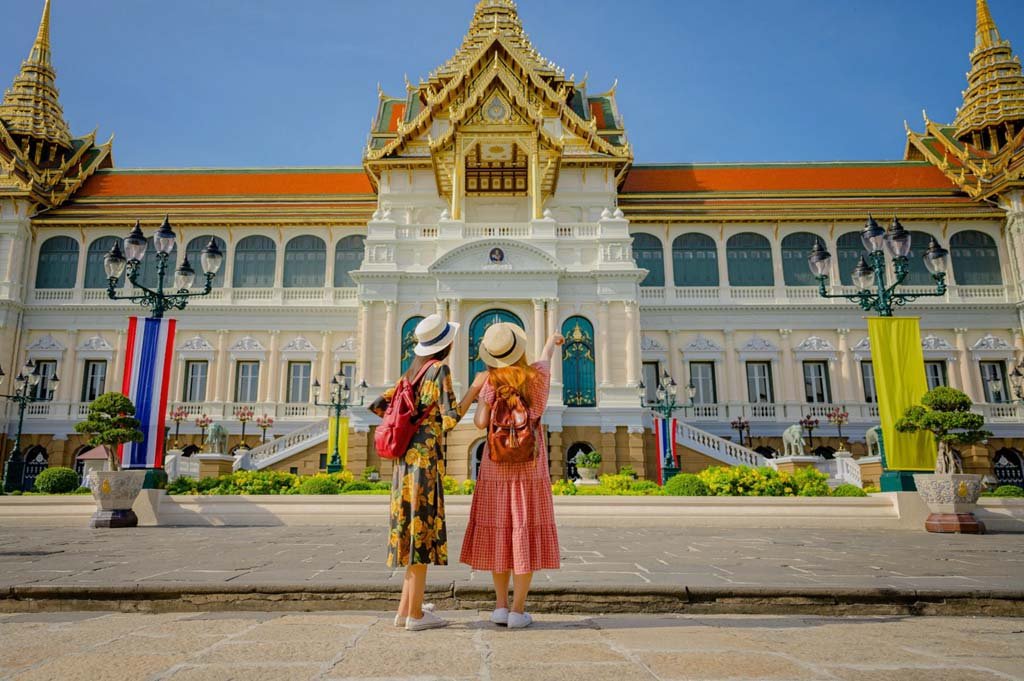
Don’t Insult the Royal Family in Thailand
Thailand has strict lese-majesty laws that make it a federal offense to criticize the royal family. In 2017, a Thai man was sentenced to 35 years in prison for defaming the royal family on Facebook . Even casual remarks or jokes about the monarchy can lead to serious consequences.
High Heels Are Not Allowed at Many Ancient Sites in Greece
If you’re visiting Greece’s archaeological treasures like the Acropolis, leave your stilettos behind. High heels have been banned at these sites since 2009 to protect ancient stonework from damage . Violators can face fines up to €900.
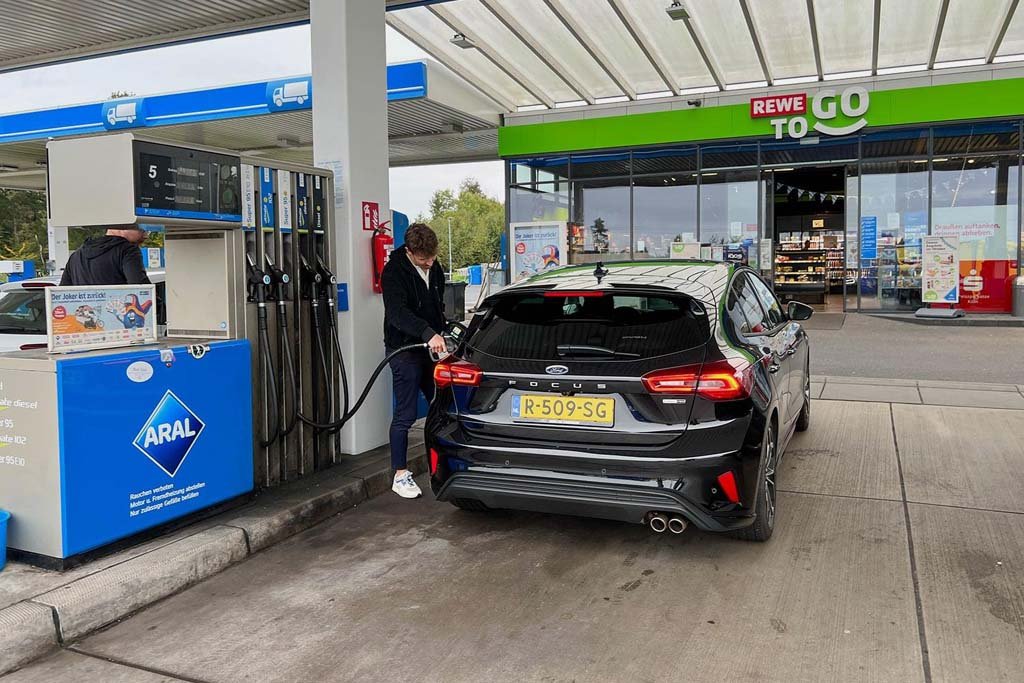
Don’t Let Your Fuel Tank Run Empty on Germany’s Autobahn
Driving on Germany’s famous Autobahn comes with an unusual rule: running out of fuel is viewed as something that could have been prevented. If your vehicle stops because the tank is empty, you may face a fine since authorities consider it the driver’s responsibility to plan ahead. Stopping unnecessarily on the Autobahn with an empty tank is illegal .
Cultural Etiquette That Could Offend
Don’t Touch Food with Your Left Hand
In many Muslim and Hindu countries, the left hand is traditionally reserved for cleaning oneself after using the bathroom. Using it to eat, shake hands, or hand over items is considered extremely rude . Always use your right hand for dining and greetings in these cultures.
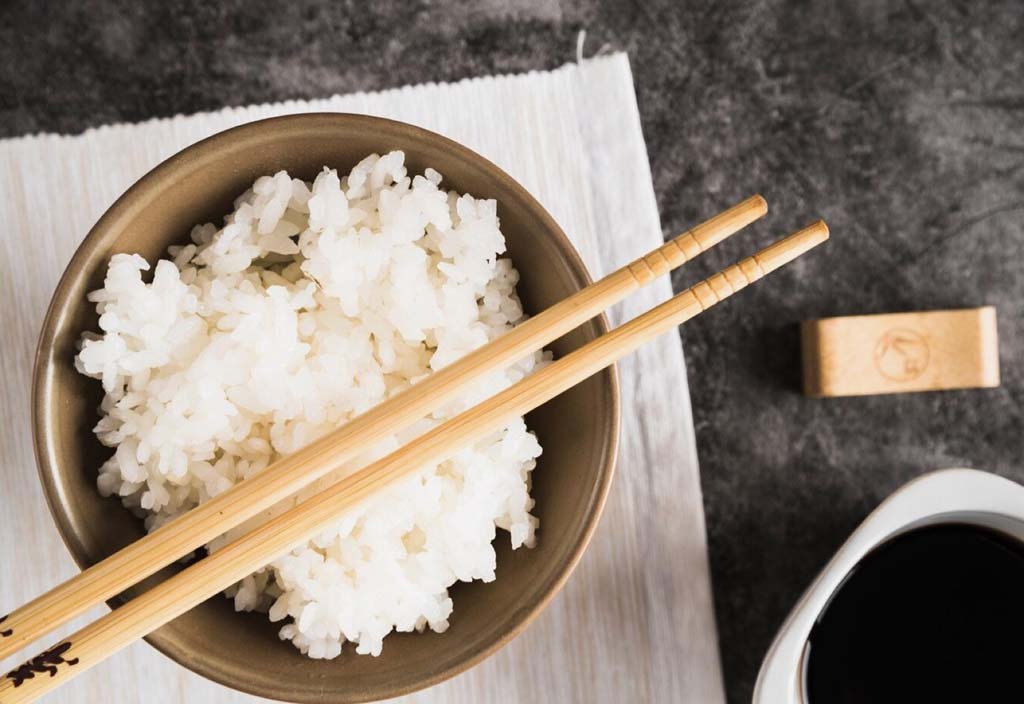
Don’t Stick Chopsticks Upright in Rice
In many Asian countries, placing chopsticks vertically in a bowl of rice is a major faux pas. It resembles the incense sticks burned at funerals and is associated with death . If you’re taking a break from your meal, rest your chopsticks across the bowl or on a chopstick rest instead.
Don’t Give the Thumbs-Up in Greece or West Africa
A thumbs-up might mean “great job” in most Western countries, but not everywhere. In parts of West Africa, Iran, Greece, and Sardinia, this gesture is interpreted as highly offensive—similar to using the middle finger .
Don’t Use the “Come Here” Gesture in the Philippines
Certain hand gestures have entirely different meanings abroad. The standard “come here” finger curl can be seen as rude or derogatory in some countries, including the Philippines. Body language is not universal, so research common gestures at your destination before you go .
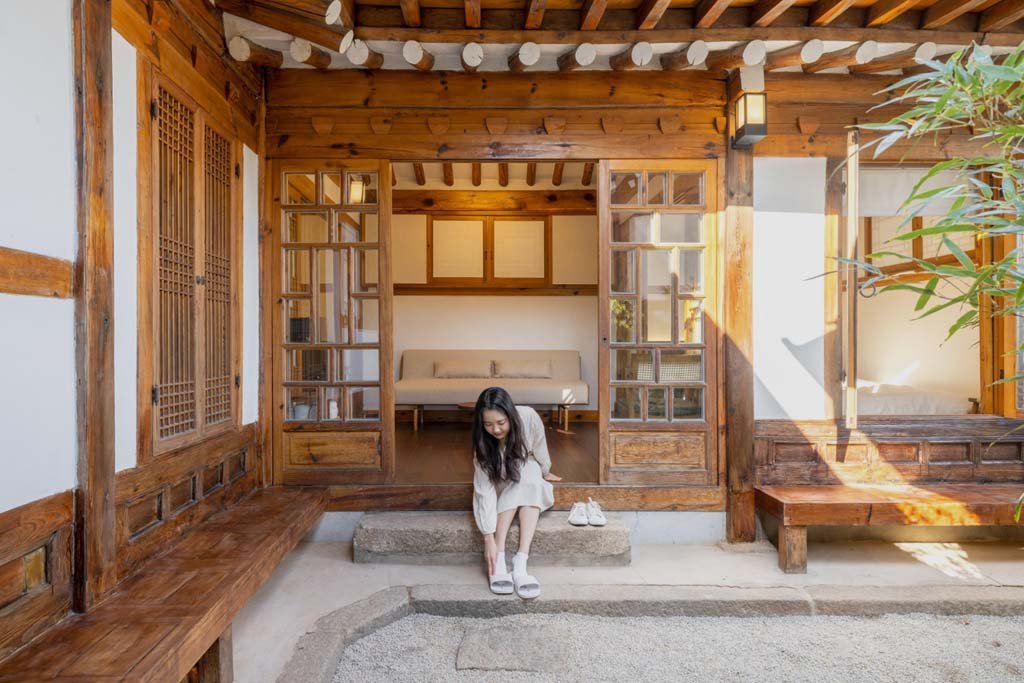
Don’t Refuse to Remove Your Shoes
In Japan, Korea, Switzerland, Scandinavia, Turkey, and many other countries, removing your shoes before entering a home or certain establishments is essential. In Japan, this rule even applies to fitting rooms in clothing stores . If you’re invited to someone’s home, be prepared to leave your shoes at the door.
Dress Codes and Public Behavior
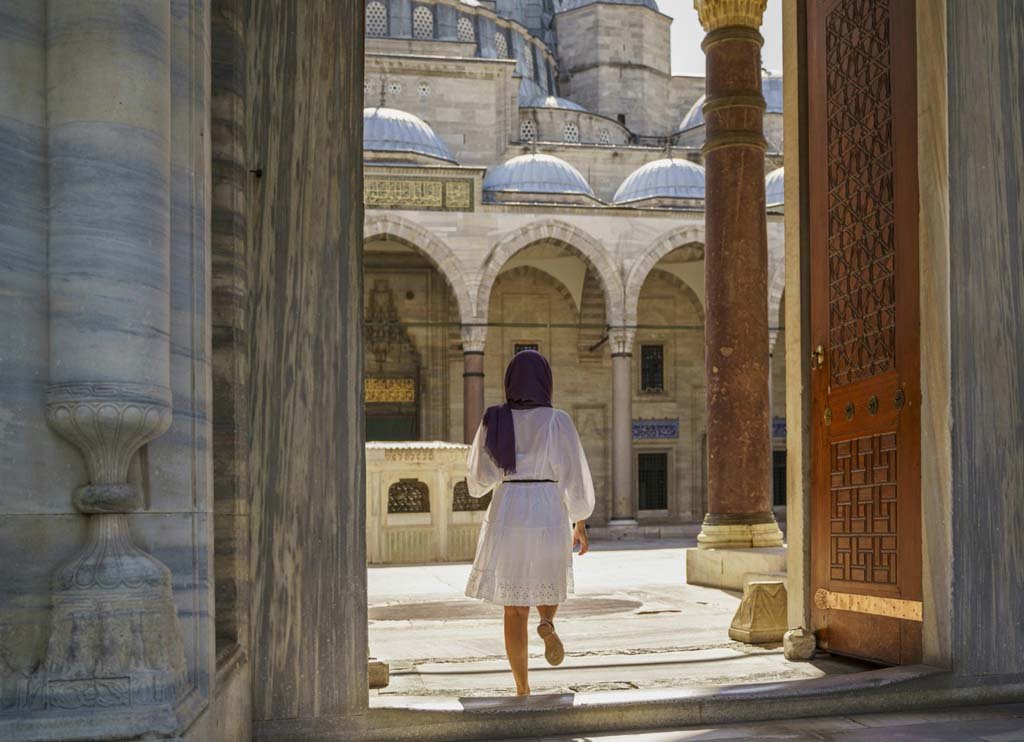
Don’t Dress Inappropriately at Religious Sites
Temples, mosques, churches, and other sacred places typically require modest clothing. Wearing shorts, tank tops, or revealing outfits in a Thai temple can draw disapproving stares—or get you turned away . Cover your shoulders and knees when visiting religious sites in countries like Thailand, Cambodia, and India.
Don’t Be Loud in Public
In countries like Japan and Singapore, speaking loudly in public spaces is seen as disruptive . What feels like normal conversation to a tourist might be considered obnoxiously loud. Observe how locals behave in public and follow their lead.
Don’t Walk Too Slowly (or Stop Suddenly)
Tourists who walk slowly or suddenly stop to check maps frustrate locals who are trying to get places. One traveler pointed out that dawdling tourists make “locals, who actually have to get somewhere, walk into oncoming traffic just to get by” . If you need to stop, move to the side like you would on a road .
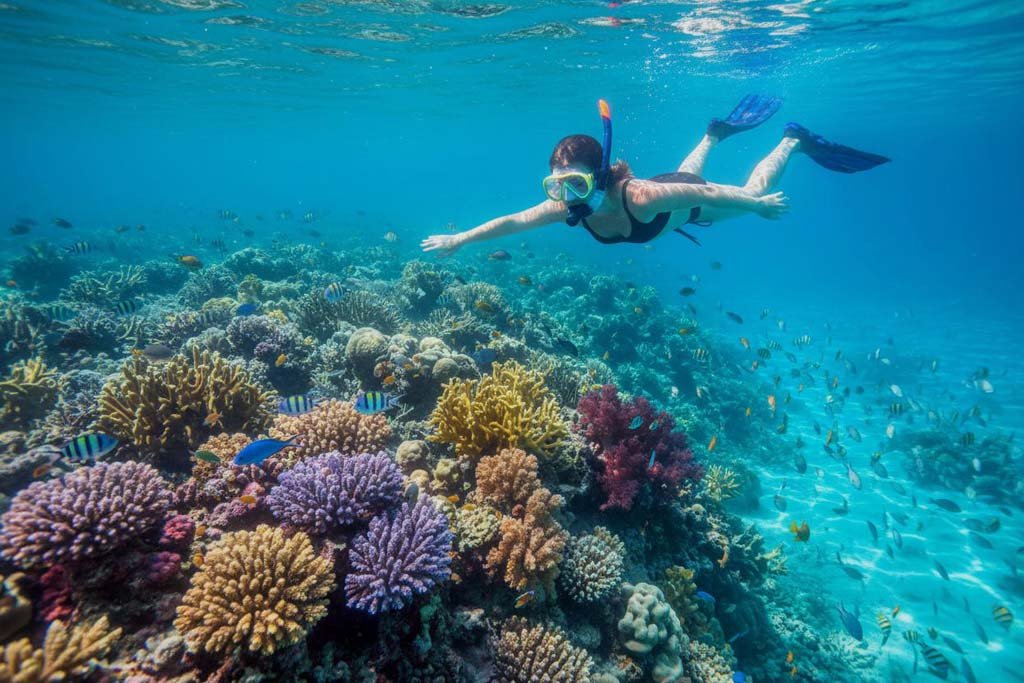
Don’t Touch Coral in Reef Areas
Coral is a fragile animal, not a rock. Touching or stepping on coral can kill it and damage delicate marine ecosystems. As one expert put it, if you’re visiting Hawaii—or any destination with coral reefs—it’s best to keep your hands off the coral. Avoiding contact helps protect these delicate ecosystems and prevents damage that can take years to recover.
Food and Dining Taboos
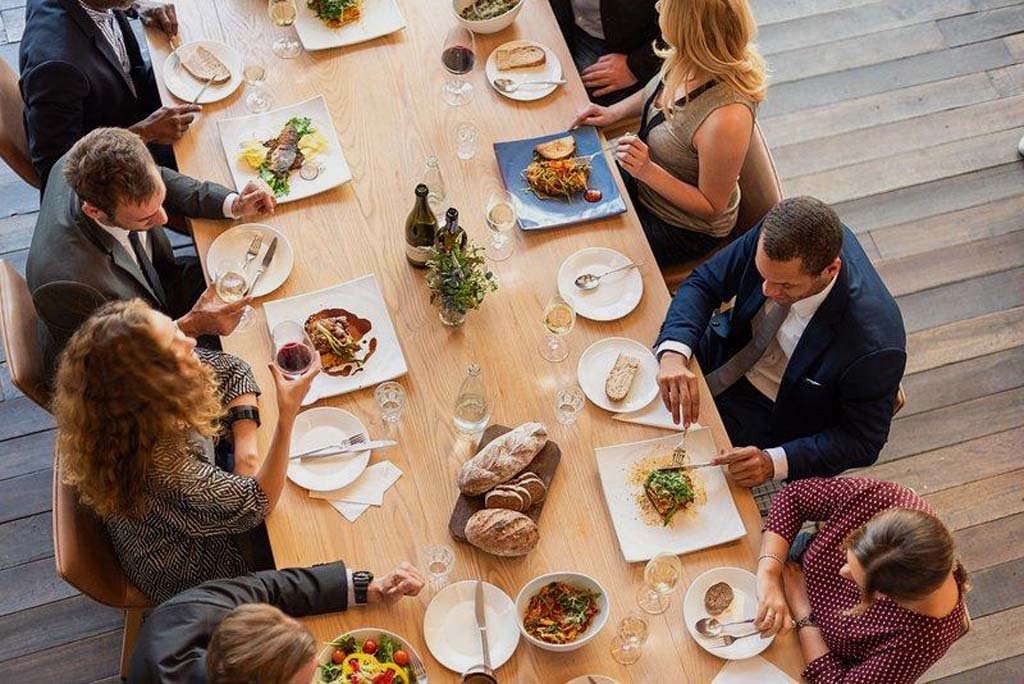
Don’t Start Eating Before Everyone Is Served
In many cultures, including Italy, it’s considered rude to start eating before everyone at the table has been served . Wait for the host to indicate when it’s appropriate to begin.
Don’t Order Cappuccino After Noon in Italy
Italians typically drink cappuccinos at breakfast rather than later in the day. Localswill tell you that milk is best with morning coffee, and drinking it after a meal can mess with your digestion . Stick to espresso if you need an afternoon pick-me-up.
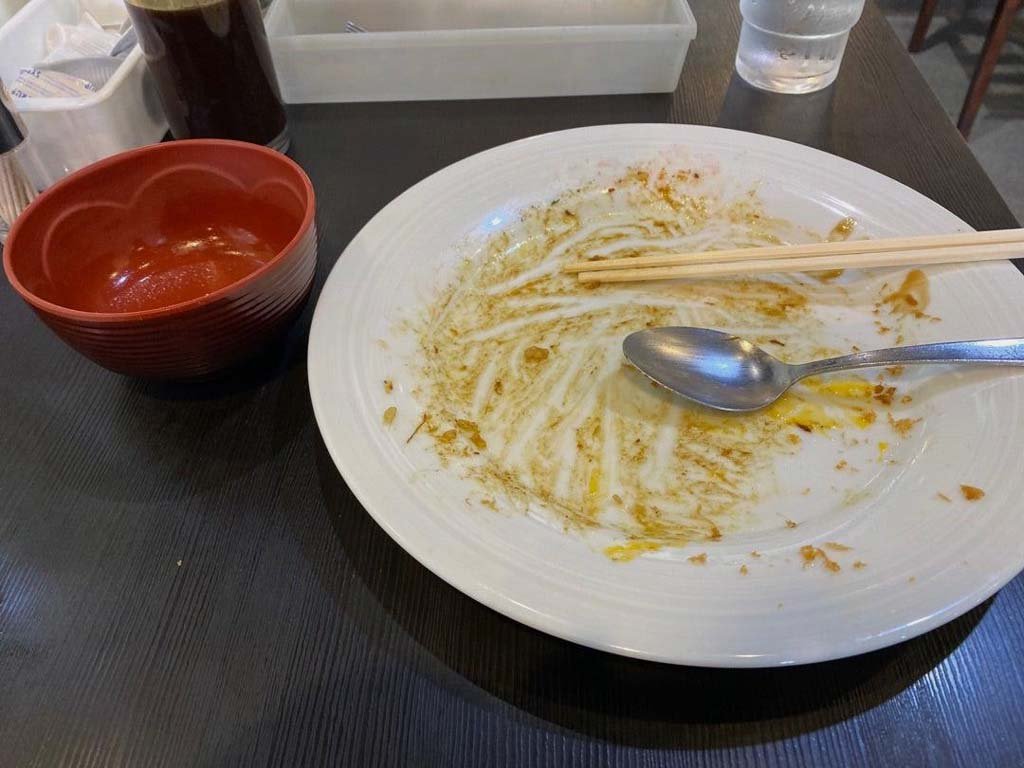
Don’t Leave Food on Your Plate in Asia
In many Asian countries, leaving food on your plate can signal that you were dissatisfied with the meal . If you’re unsure how much you’ll eat, start with a smaller portion to avoid wasting food.
About the Author
My name is Dua Qamar, and I am a content writer passionate about helping travelers avoid awkward and potentially dangerous situations abroad.
Why I Wrote This Article:
Traveling is one of life’s greatest joys, but it comes with responsibilities. I wrote this piece because I have seen too many well-meaning travelers unintentionally offend locals or break laws simply because they didn’t know the rules. My goal is to educate and prepare readers so they can explore the world with confidence and respect.
How I Approached This Topic:
My research involved consulting travel experts, government advisories, and cultural etiquette guides from around the world. I cross-referenced multiple sources to ensure accuracy and practical applicability.
Who This Article Is For:
This article is for anyone planning an international trip—from first-time travelers to seasoned globetrotters. Even experienced travelers can be caught off guard by lesser-known laws or customs, especially in countries they haven’t visited before.
The Message I Hope Readers Take Away:
A little research goes a long way. Respecting local customs isn’t just about avoiding trouble—it’s about showing that you value and honor the culture you are visiting. Travel responsibly, stay curious, and always approach new places with an open mind.
Written by: Dua Qamar
