


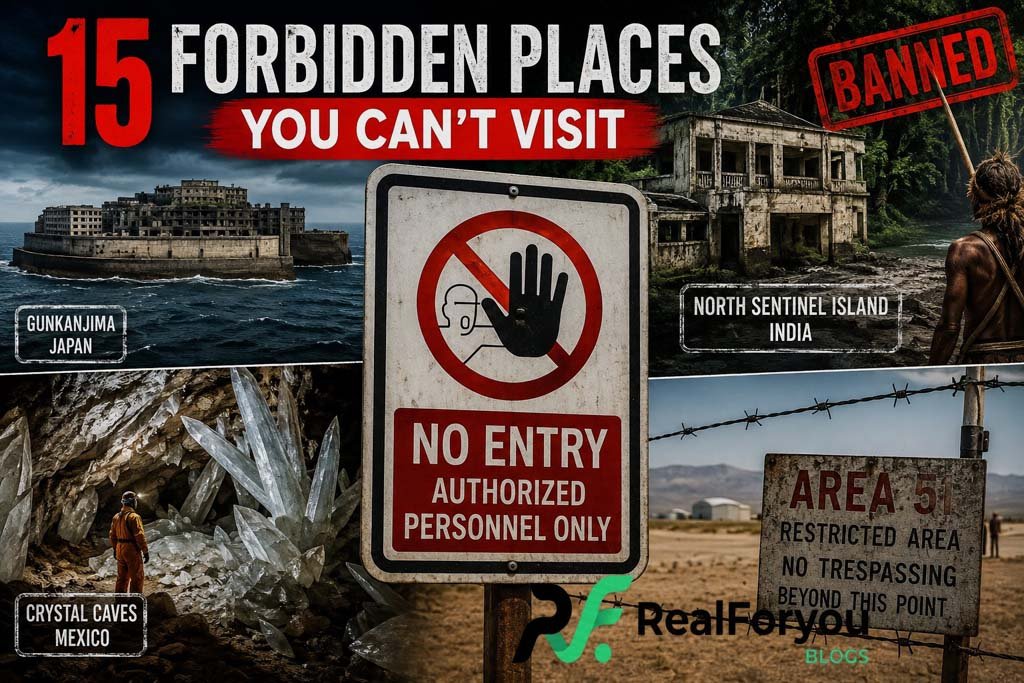
15 Places In The World You Are Not Allowed To Go To
Introduction
The world may feel mapped, accessible, and familiar, but there are still places on Earth where entry is strictly forbidden . These locations are closed to the public for a wide variety of reasons: to protect vulnerable indigenous tribes, safeguard national security, preserve fragile historical artifacts, or simply because they are too dangerous for human life . For travelers with a curious spirit, these destinations are often the most captivating and memorable. But attempting to visit them can lead to arrest, heavy fines, forced removal, or even death .
Here are 15 of the most forbidden places on the planet that you cannot visit.
Protected for Safety and Survival
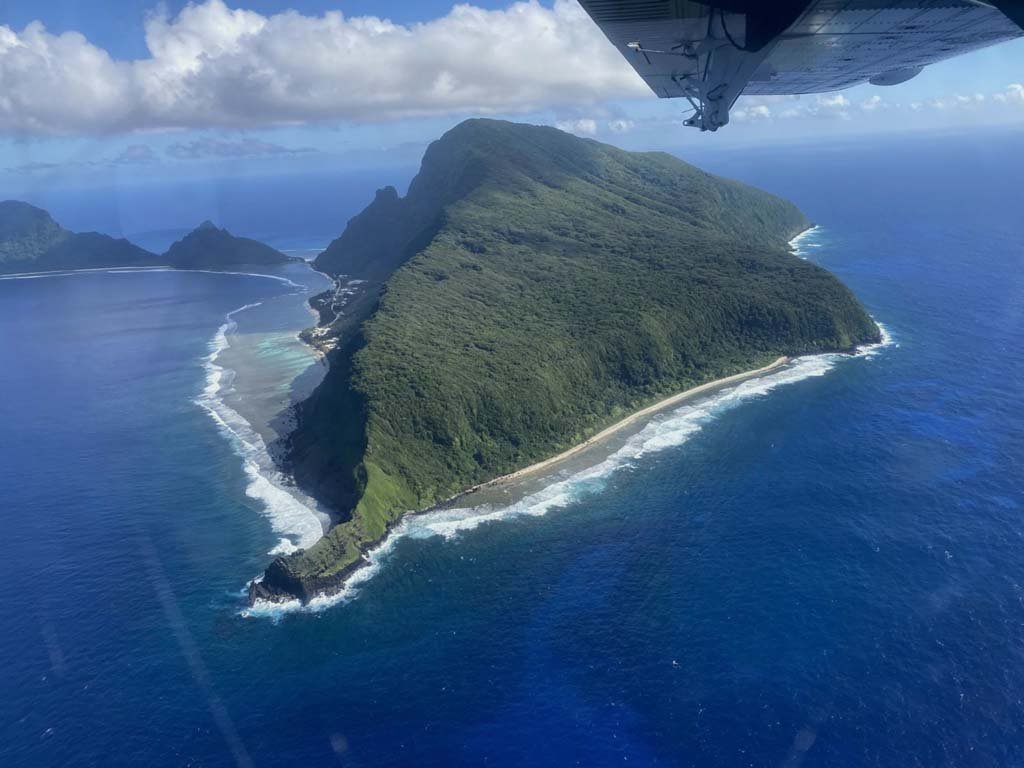
1. North Sentinel Island, India
North Sentinel Island is home to the Sentinelese, one of the world’s last uncontacted tribes . The island has been off-limits for decades under Indian law to protect the tribe from diseases and external influence. It is also closed for outsiders’ safety, as the islanders are known to be violently hostile towards any outsiders . Entering the exclusion zone around the island is illegal, and any attempt to land faces arrest and prosecution under Indian law . Even the Indian government does not attempt contact.
2. Snake Island (Ilha da Queimada Grande), Brazil
Snake Island lies off Brazil’s coast and is home to thousands of golden lancehead vipers, one of the most venomous snakes in the world . The island is closed to the general public to protect both humans and the critically endangered snake species. Only authorised scientific researchers are allowed access . Trespassers face arrest and fines, but before that, they would have to deal with the real danger—a fatal snake bite. Emergency treatment is nearly impossible to access from the island .
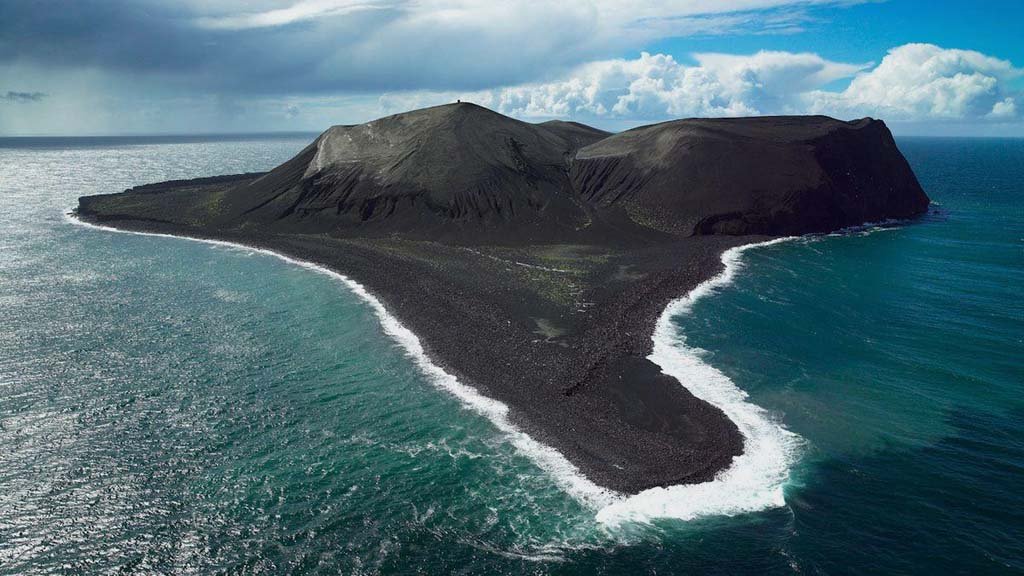
3. Surtsey Island, Iceland
Surtsey is a volcanic island that rose from the Atlantic Ocean between 1963 and 1967, and ever since its formation, it has been strictly off-limits to tourists . Access to the island is restricted to a small number of approved scientists, while everyone else can only see it from above on authorized flights. This strict protection ensures the island’s ecosystem evolves naturally, without human interference. In 2008, UNESCO designated Surtsey a World Heritage Site in recognition of its exceptional scientific importance .
4. Poveglia Island, Italy
Poveglia Island in the Venetian Lagoon is closed to the public. Historically used as a quarantine station during plague outbreaks and later as the site of a long-abandoned mental asylum, the island has been off-limits for decades due to safety concerns and structural instability . Italy prohibits visitors because many of the buildings are collapsing, and the island’s infrastructure is unsafe . The island has very limited public access. Travelers can only visit if they obtain special permission from the government, and such authorization is issued only on very rare occasions.
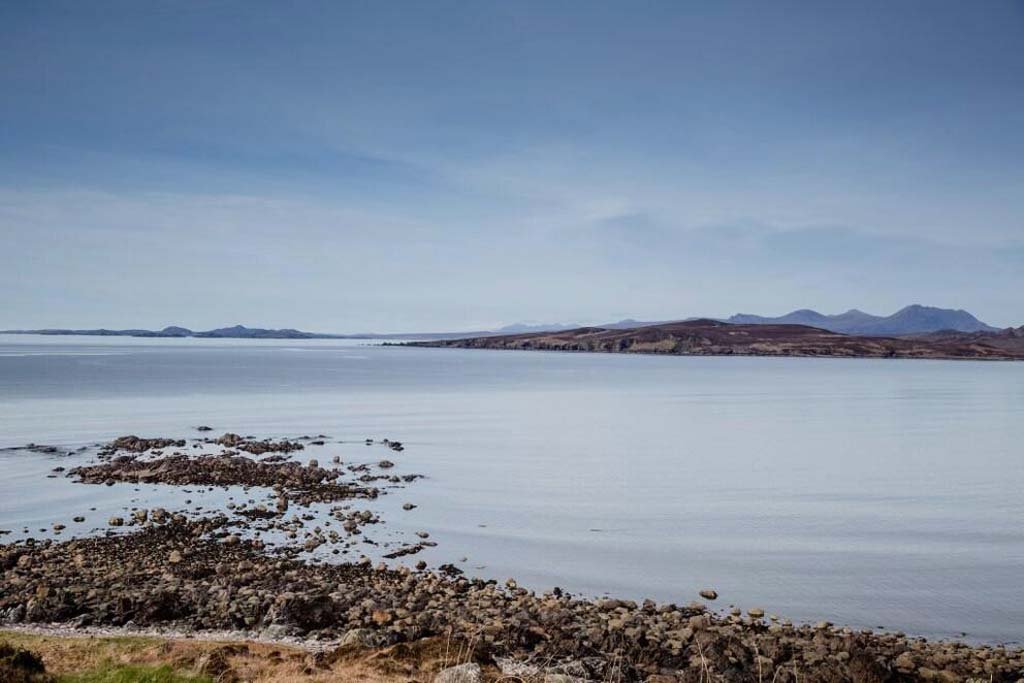
5. Gruinard Island, Scotland
During World War II, Gruinard Island was used by the British government to test anthrax as a biological weapon. The experiments left the island contaminated for decades, earning it the nickname “Anthrax Island” . Although decontaminated in the 1980s, it remains uninhabited and closed to the public .
Military and Government Secrets
6. Area 51, United States
Area 51 sits deep within the Nevada desert and is widely regarded as one of the most heavily guarded and secretive military facilities in the world. It is officially part of the Nevada Test and Training Range, but the site is mostly popular because of several UFO theories. The base is always heavily guarded. Tourists can legally visit nearby towns and view Area 51 warning signs, but crossing restricted boundaries is a serious federal offence .
Anyone who enters the restricted area without permission can be stopped by armed security personnel and may face federal prosecution. Taking photographs is forbidden, and authorities have the power to confiscate vehicles used during unauthorized entry.
7. Fort Knox, United States
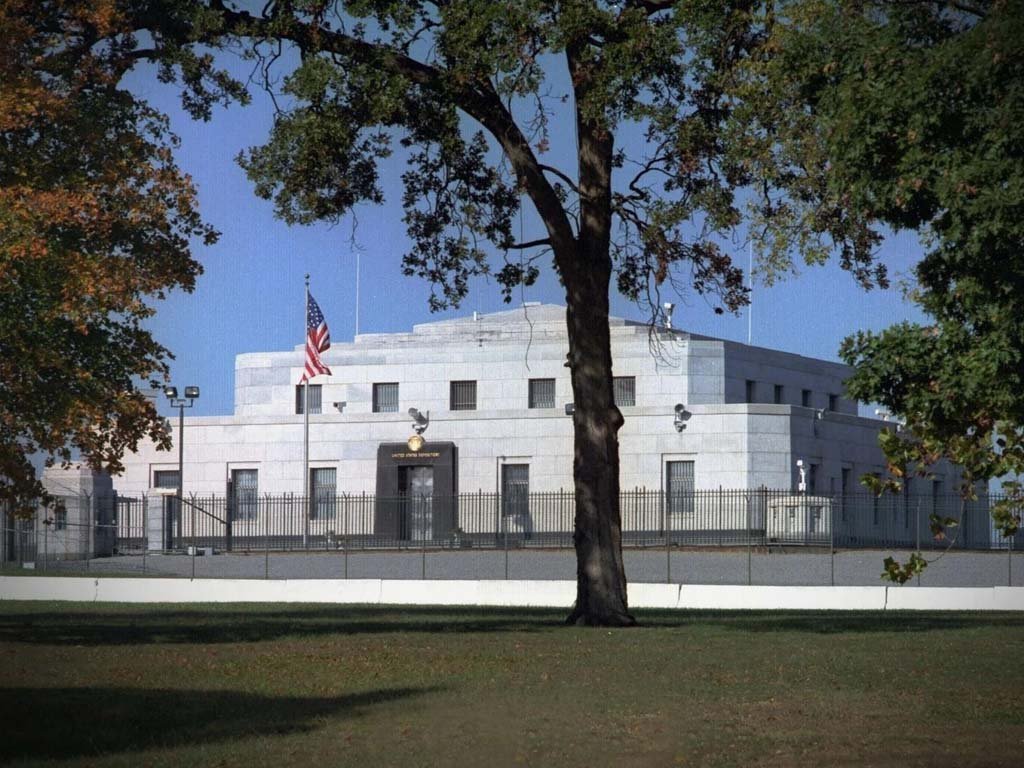
Fort Knox is home to the US Bullion Depository, which holds a huge gold reserve. Due to security reasons, the place remains inaccessible to tourists . No visitors are permitted into the facility, and only one president, Franklin D. Roosevelt, has ever been inside the vault . No single person knows all the procedures to open the vault .
8. Pine Gap, Australia
Located in central Australia, this U.S.-Australian joint intelligence facility is used for satellite surveillance and intelligence gathering. Its operations are highly classified, and entry is limited to authorised personnel only . Pine Gap is a hub of the United States’ global surveillance activities .
9. RAF Menwith Hill, United Kingdom
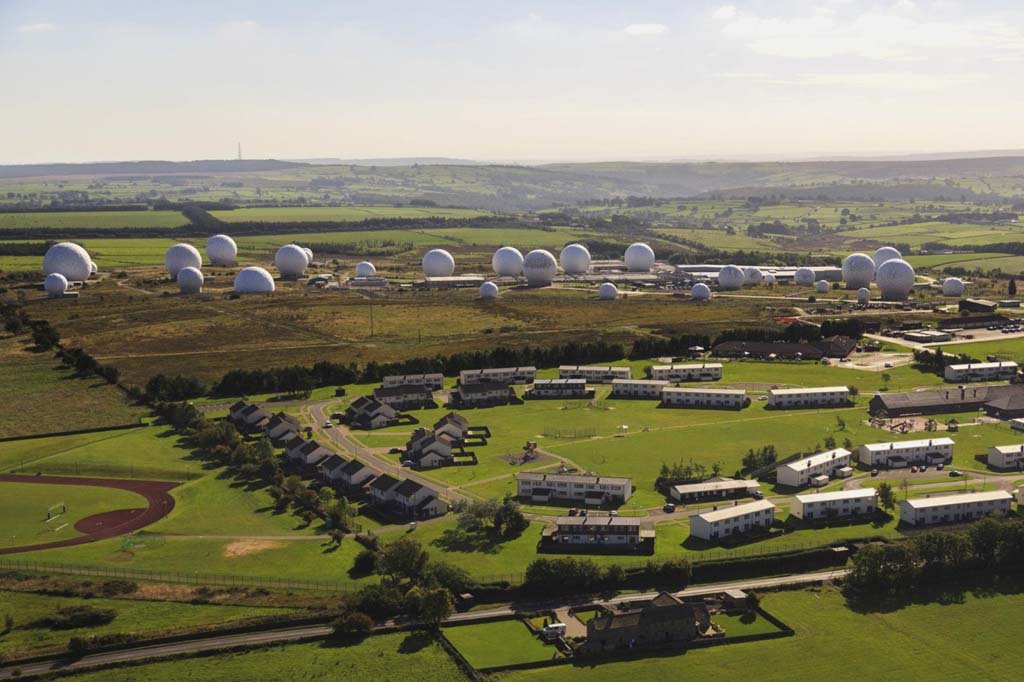
Operated by the UK and USA, this secretive base in North Yorkshire is said to be the world’s largest surveillance and monitoring facility. Its operations are highly classified, and access is tightly restricted .
10. Mezhgorye, Russia
Located in Russia’s Ural Mountains, the closed town of Mezhgorye is widely believed to play a role in the country’s defense and nuclear operations. The area is under tight security, and its true purpose has never been officially disclosed, making it one of Russia’s most closely guarded locations.
Cultural and Historical Preservation
11. Lascaux Cave, France
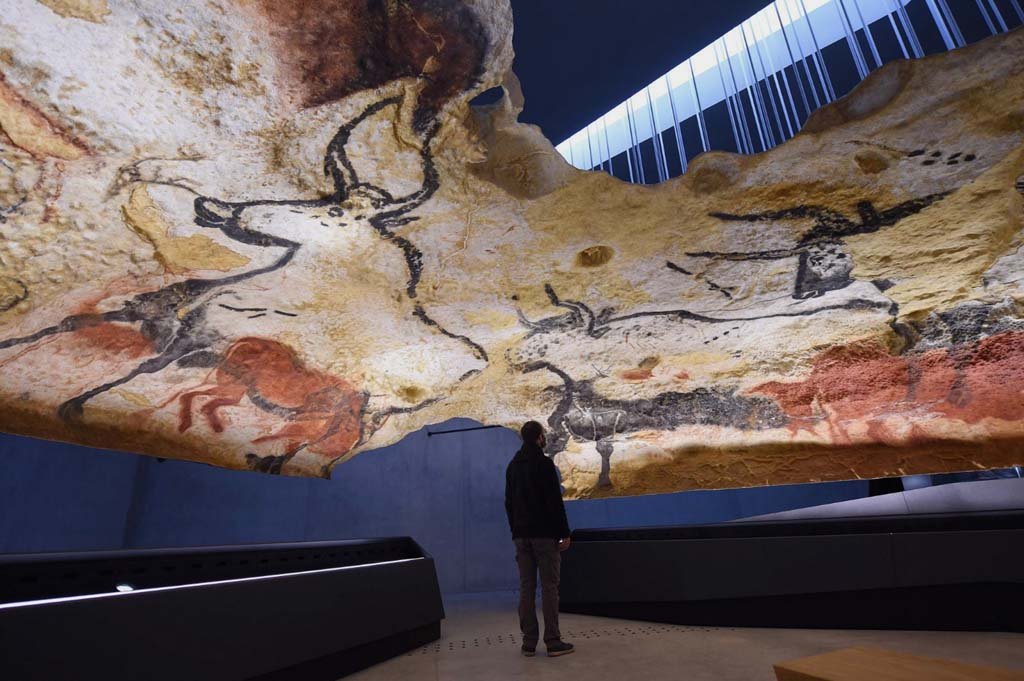
The original Lascaux Cave in southwestern France contains some of humanity’s best-preserved Paleolithic artworks, dating back roughly 17,000 years . When the cave opened to the public in the mid-20th century, thousands of visitors brought in carbon dioxide, moisture, and bacteria, unintentionally triggering fungal infestations and severe deterioration of the ancient paintings . To halt the damage, French authorities closed the cave to all public access in 1963 . Only a small number of scientists and conservators are permitted entry under controlled conditions .
12. Tomb of Qin Shi Huang, China
The mausoleum of China’s first emperor, featuring the famous Terracotta Army, has areas restricted to visitors. Preservation and safety concerns justify limited access .
13. Vatican Secret Archives (Apostolic Archive), Vatican City
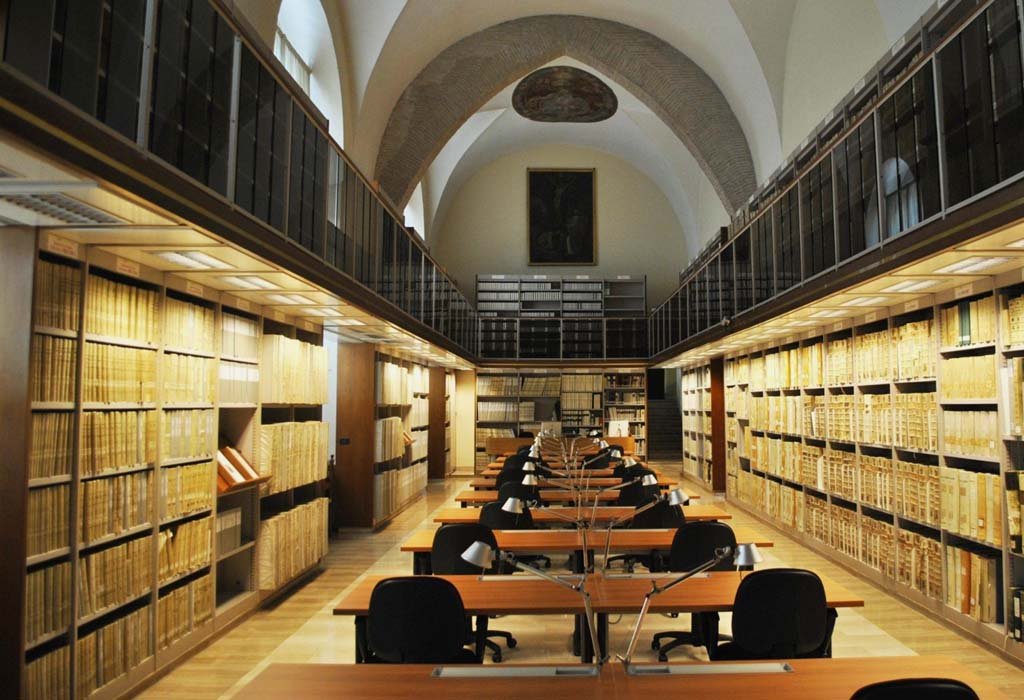
The Vatican Apostolic Archive is a vast collection containing centuries of papal documents, royal correspondence, and sensitive historical records . Scholars are allowed access to limited sections; however, many areas remain strictly restricted. The strict access policy is designed to protect the archive’s delicate documents while ensuring that sensitive historical records remain secure. Anyone who enters without authorization may face serious consequences, including a permanent ban from Vatican institutions, the seizure of any materials involved, and possible legal penalties under Vatican law.
14. Mecca, Saudi Arabia
Entry to the holy city of Mecca is reserved exclusively for Muslims, with checkpoints in place to enforce the restriction. Certain sacred areas are carefully monitored to ensure that only authorized visitors are allowed to enter. Non-Muslims are forbidden to enter Mecca. Punishments range from paying a fine to facing deportation .
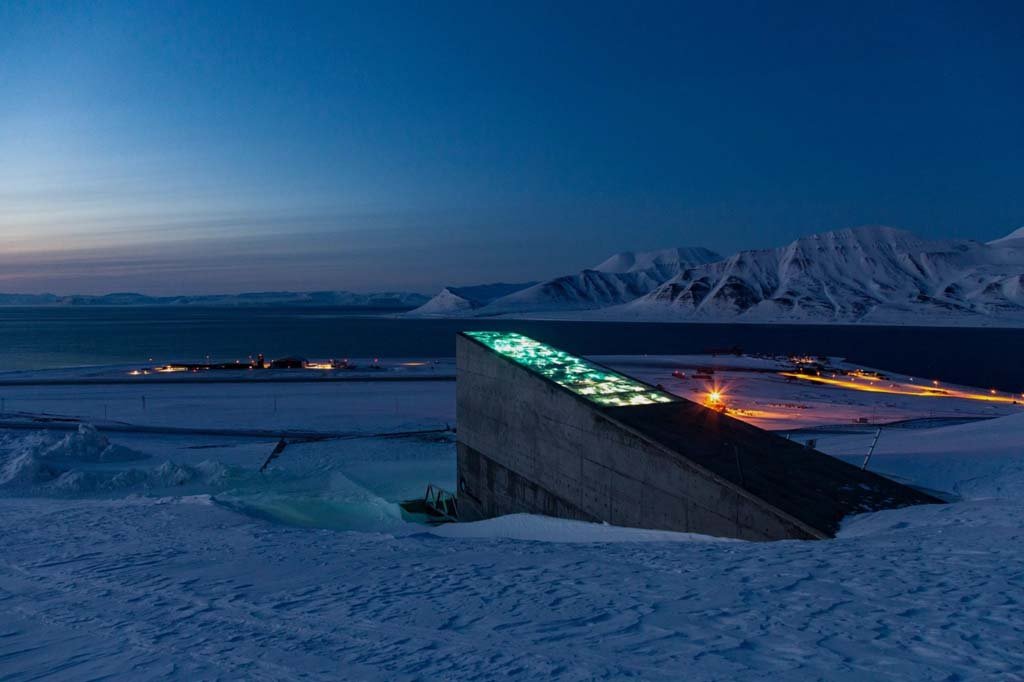
15. Svalbard Global Seed Vault, Norway
Svalbard Seed Vault is a secure seed bank that stores duplicate seeds of nearly every known crop on Earth for global food security . The location is remote, and only a select few are permitted entry .
Conclusion
These 15 locations represent the extreme edge of human inaccessibility—places where curiosity must give way to respect for safety, security, culture, and preservation. While many of these sites are fascinating, they are closed for good reasons. The threats they pose range from radiation exposure and fatal snake bites to arrest, prosecution, and even death. For those of us who remain curious, perhaps the best way to appreciate these places is from a distance—through photographs, research, and a healthy respect for the boundaries that protect us.
About the Author
My name is Dua Qamar, and I am a content writer fascinated by the world’s most mysterious and forbidden places.
Why I Wrote This Article:
I wrote this piece because the idea of forbidden places has always captivated me. There is something intriguing about locations that are so dangerous, secretive, or sacred that they are completely off-limits to the public. My goal was to satisfy that curiosity while also explaining why these places are closed.
How I Approached This Topic:
My research involved consulting travel advisories, news reports, and official sources to compile an accurate list of places where tourists are banned or heavily restricted. I focused on presenting both the facts and the reasons behind each ban.
Who This Article Is For:
This article is for curious travellers and anyone fascinated by the world’s most secretive and dangerous locations.
The Message I Hope Readers Take Away:
While these places are fascinating, they are off-limits for a reason. Respecting these boundaries ensures our safety and preserves cultures, ecosystems, and historical treasures for future generations.
Written by: Dua Qamar
