


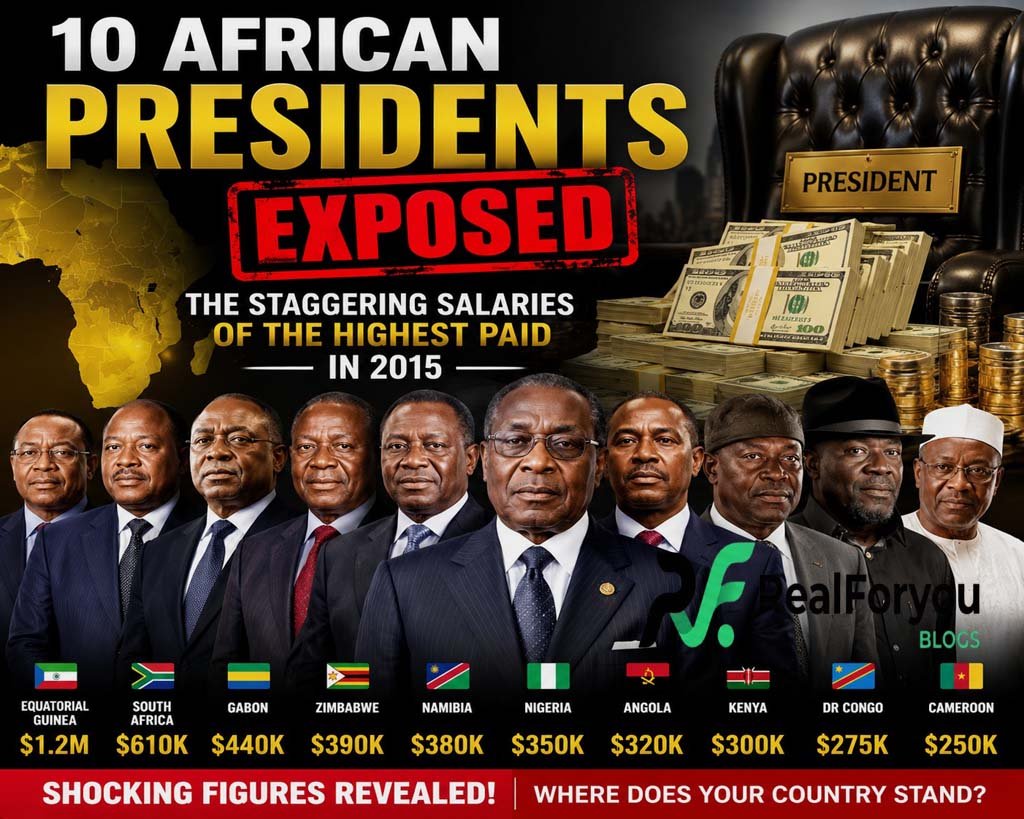
10 Highest Paid African Presidents In 2015
In 2015, the salaries of African heads of state revealed a fascinating and often troubling picture of the continent’s leadership priorities. While some leaders earned modest sums, others commanded compensation packages that dwarfed the average incomes of their citizens by staggering margins.
Based on data compiled by Africa Review, a member of Kenya’s Daily Nation media group, here are the 10 highest-paid African presidents in 2015, ranked by their annual salaries in US dollars.
The Ranking
1. Paul Biya (Cameroon) – $610,000
Paul Biya, who has been Cameroon’s leader since 1982, topped the list as Africa’s highest-paid president in 2015. His annual salary of approximately $610,000 was more than 229 times the average Cameroonian’s income. Biya’s leadership has been marked by controversy, including reports of lavish spending while his citizens struggle with poverty.
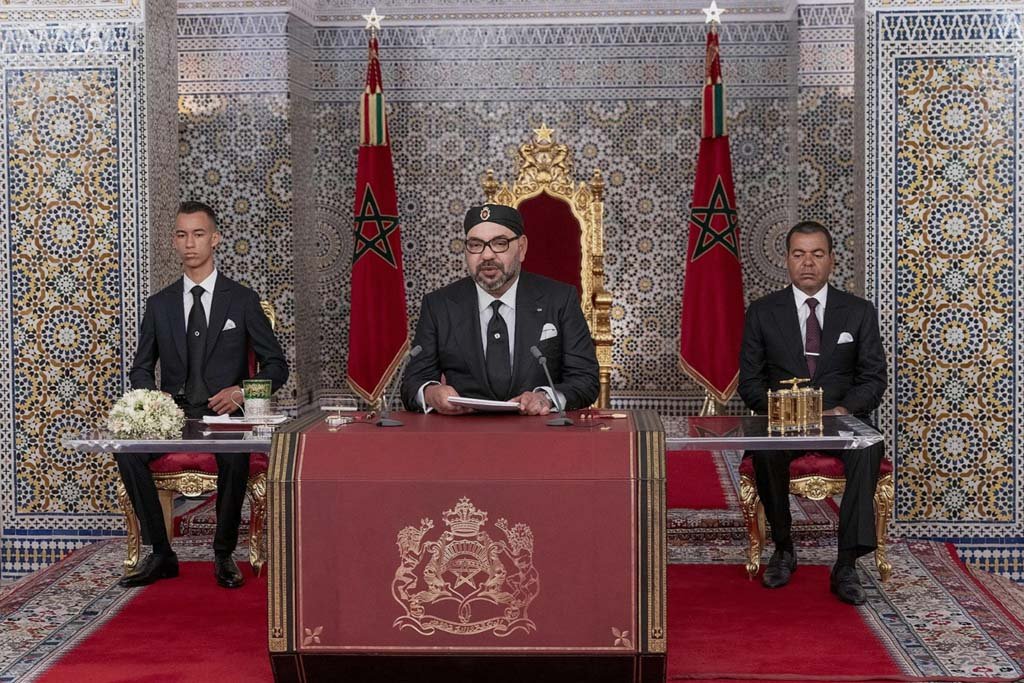
2. King Mohammed VI (Morocco) – $480,000
Morocco’s monarch secured the second position with an annual salary of $480,000. The king, who took power in 1999, earned approximately 68 times more than an average Moroccan citizen. His salary first became public in 2004 when a Moroccan magazine disclosed his earnings, sparking debate about royal finances.
3. Jacob Zuma (South Africa) – $272,000
Jacob Zuma, South Africa’s president in 2015, earned approximately $272,000 annually. His salary was roughly 22 times higher than the average South African’s income. At the time, Zuma’s pay package was comparable to world leaders like the UK’s David Cameron and exceeded that of the French and Italian presidents.
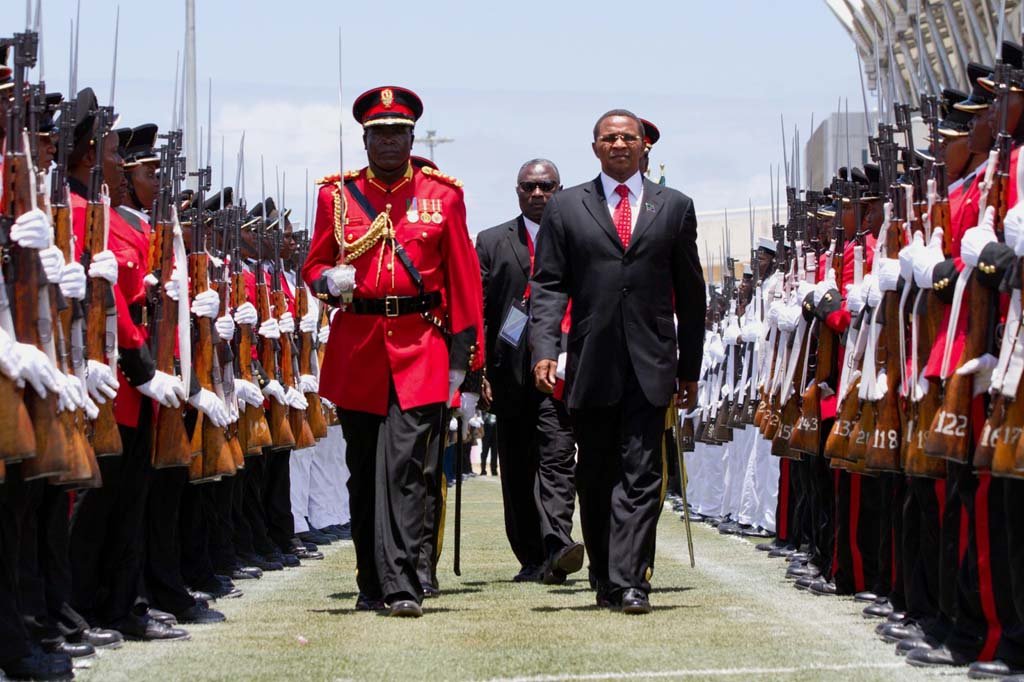
4. Jakaya Kikwete (Tanzania) – $192,000
Tanzania’s leader ranked fourth with an annual salary of $192,000. Kikwete’s earnings were approximately 109 times greater than the average Tanzanian worker’s income.
5. Abdelaziz Bouteflika (Algeria) – $168,000
The Algerian president, in power since 1999, earned approximately $168,000 per year. His salary was about 12 times higher than the average Algerian worker’s income.
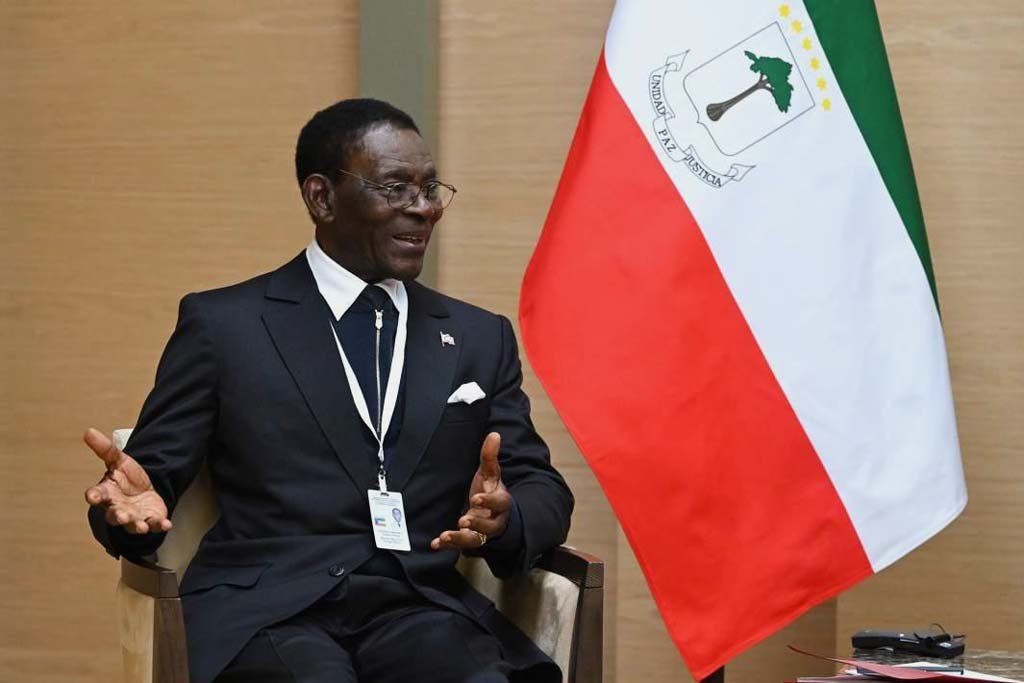
6. Teodoro Obiang Nguema (Equatorial Guinea) – $150,000
Equatorial Guinea’s long-serving president earned approximately $150,000 annually. It is worth noting that accurate salary data for Equatorial Guinea was difficult to verify due to poor transparency.
7. Uhuru Kenyatta (Kenya) – $132,000
Kenya’s president earned approximately $132,000 per year in 2015. His salary was roughly 58 times higher than the average Kenyan citizen’s income.
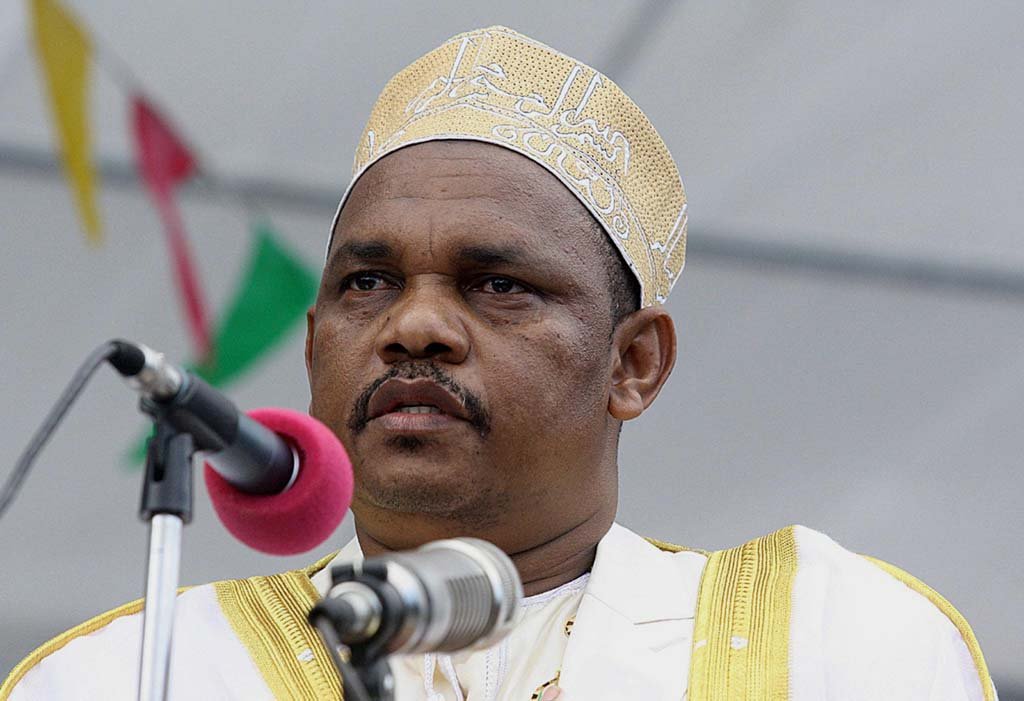
8. Ikililou Dhoinine (Comoros) – $115,000
The Comorian president ranked eighth with an annual salary of $115,000. His compensation was approximately 73 times higher than the average citizen’s income in the small island nation.
9. Denis Sassou Nguesso (Congo Republic) – $110,000
The president of the Republic of Congo earned approximately $110,000 annually.
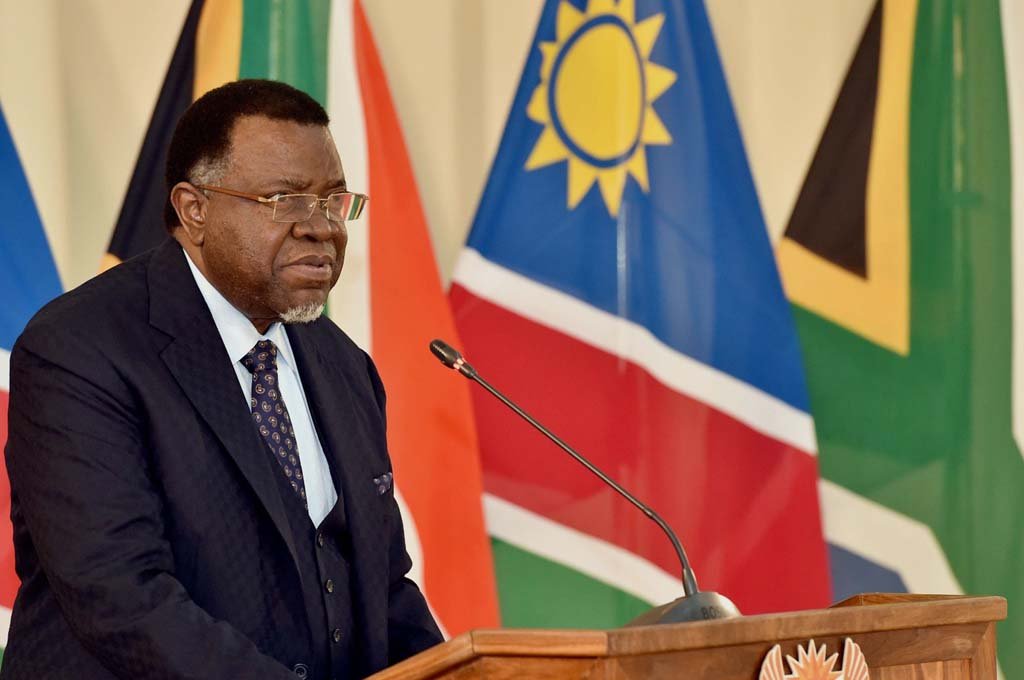
10. Hage Geingob (Namibia) – $110,000
Tied for ninth, Namibia’s president received the same salary of $110,000 per year.
The Larger Story: Pay Gaps and Transparency
What made this list particularly striking in 2015 was the enormous gap between presidential salaries and average citizen incomes. Cameroon’s Paul Biya earned 229 times more than the average Cameroonian. Ellen Johnson Sirleaf of Liberia, who ranked lower on the salary chart, earned 113 times more than her citizens.
The research also revealed a troubling pattern: leaders of poorer countries tended to pay themselves more relative to their citizens than leaders of wealthier nations. Additionally, many African countries lacked transparency about presidential salaries, making it difficult to determine true compensation.
Some leaders, like Nigeria’s Muhammadu Buhari, voluntarily took a 50% pay cut in 2015, reducing his salary to approximately $35,000—demonstrating that financial restraint was possible.
About the Author
My name is Dua Qamar, and I am a content writer with a strong interest in African governance and economic transparency.
Why I Wrote This Article:
I wrote this article because the compensation of public servants, particularly heads of state, reveals much about a nation’s priorities and values. Understanding these figures provides insight into governance, transparency, and the relationship between leaders and the citizens they serve.
How I Approached This Topic:
My research drew on data compiled by Africa Review and reported by various sources including Business Tech, Reuters, and news outlets from across the continent. I cross-referenced multiple sources to ensure accuracy. It is important to note that salary data can vary slightly between sources due to exchange rates and the inclusion of allowances.
Who This Article Is For:
This article is for anyone curious about African leadership compensation, students researching governance, or readers seeking to understand the economic disparities between leaders and citizens on the continent.
The Message I Hope Readers Take Away:
Presidential salaries are not just numbers—they reflect governance priorities, transparency, and the relationship between leaders and citizens. The data from 2015 reveals a pattern where the gap between rulers and the ruled is often vast, highlighting the importance of accountability and fiscal transparency in government.
Written by: Dua Qamar
