


How Bad Parenting Ruins a Child’s Innocence
Introduction – What Childhood Innocence Means
Childhood is recognized as a time of fascination – a phase filled with absorption, trust, and transparent insight into the world. The role of parents establishes a child’s innocence and provides a source of protection, care, and guidance that shapes a child’s initial horizons. When parental care is displaced by neglecting their child, the result of the trauma leaves an acute and long-lasting impact on the child’s emotional outlook.
The innocence of a child does not vanish in a single moment at all; when the environment becomes unstable or unsafe its starts to fade gradually. Everyday actions like ignoring a child, staying emotionally distant, or constantly criticizing them can slowly destroy their confidence and create fear. When a child no longer feels safe, it doesn’t just make them scared; it also takes away the natural flow of their childhood, forcing them to grow up too quickly in ways that can be tiring and overwhelming.
This blog looks at how unhealthy relationships at home can quietly affect a child’s mental and emotional development. A child’s innocence is not only lost because of major traumatic events. It can also fade when they do not receive enough love, comfort, trust, and support—things that every child truly needs to grow in a healthy and happy way.
Emotional Neglect
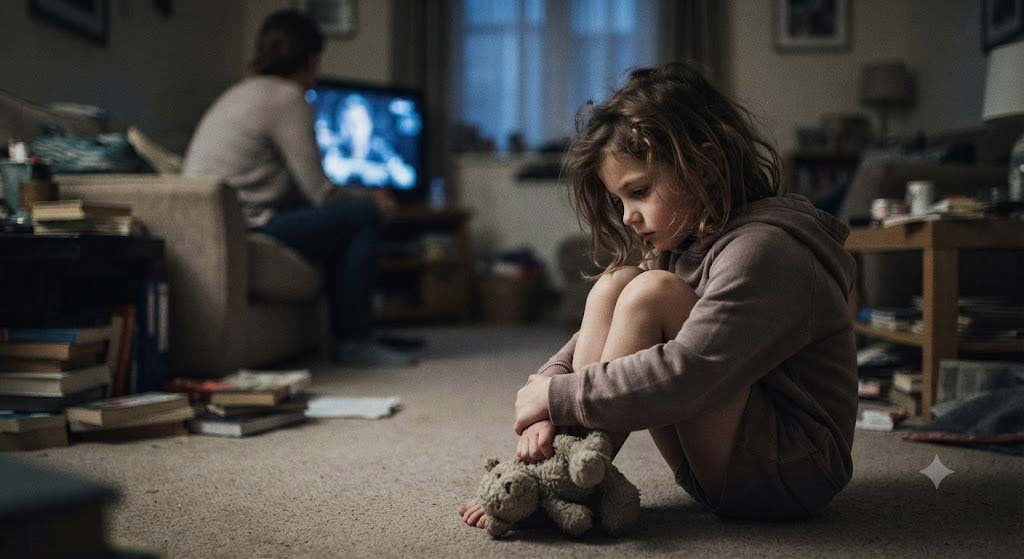
Emotional neglect is an invisible injury – unseen and unspoken emotions that form because of bad parenting. A child feels empty inside, and from the outside, it seems like the happiest version of itself. It happens when parents ignore their emotions and do not understand their feelings when they need them the most. Children naturally want love, comfort, and attention from their parents. When a child feels scared or unsafe, they actually want their parents’ support silently.
When their feelings are being ignored constantly, or their emotions seem unimportant to their parents, they feel disappointed, and they feel alone in this entire world. And then they stop sharing emotions and their thoughts with their parents. Children who grew up with emotional neglect may struggle to understand their own feelings, and I think they can’t even understand and can’t grow up like other children.
They feel empty inside, unworthy of others, and disconnected from others. Feeling unsafe and unloved may slowly take away their childhood innocence. Because of emotional neglect, children feel that their feelings do not exist anymore. This belief turns them into adults; this may affect their relationships and their self-confidence. Every child deserves love, trust, and comfort from their parents. When parents understand their child’s emotions, it protects the child’s innocence and enables them to grow up into a confident and emotionally strong person.
Harsh Discipline and Constant Criticism
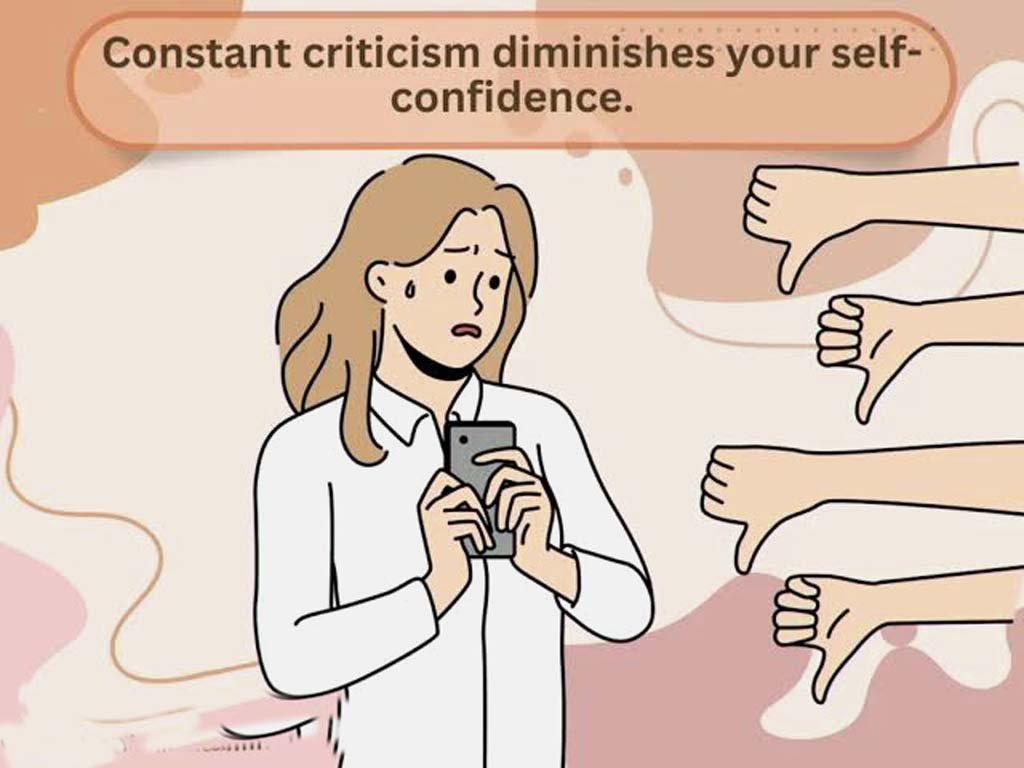
Discipline is supposed to teach and guide a child, but when it becomes too strict or negative, it can do more harm than good. Harsh discipline often includes yelling, punishing without explaining, or expecting a child to be perfect all the time. Instead of learning, the child begins to feel scared and unsure. When parents constantly criticize their child—pointing out mistakes without appreciating effort—the child starts to believe they are never good enough.
This can slowly damage their confidence. They may become afraid to speak up, try new things, or express their true feelings. Being corrected all the time without encouragement can also create stress and anxiety. The child focuses more on avoiding mistakes than enjoying learning or growing. Over time, they may either become very quiet and withdrawn or act out in frustration. Childhood should be a time of learning with support, not fear.
Children need guidance, but they also need patience, kindness, and understanding. When discipline is balanced with love, it helps a child grow. But when it is too harsh and full of criticism, it can hurt their self-esteem and take away their natural happiness and innocence.

Exposure to Family Conflict
A home should be a place where a child feels safe, calm, and loved. But when there is constant conflict between family members, especially parents, it can deeply affect a child’s emotional well-being. Arguments, shouting, or tension in the house can make a child feel scared and insecure. Children may not fully understand the reasons behind these conflicts, but they can feel the negativity.
Often, they even start blaming themselves, thinking they are the cause of the problem. This creates confusion and emotional stress at a very young age. Living in such an environment can take away a child’s sense of peace. Instead of enjoying play and learning, they may become quiet, anxious, or always alert to what might happen next. Some children try to act like peacemakers, taking on emotional responsibilities that are too heavy for them. Over time, this exposure can affect how they view relationships.
They may grow up fearing conflict or believing that arguments are a normal part of love. Children need stability and harmony to grow with confidence. When parents handle disagreements calmly and respectfully, it helps protect a child’s innocence and creates a healthier emotional environment.

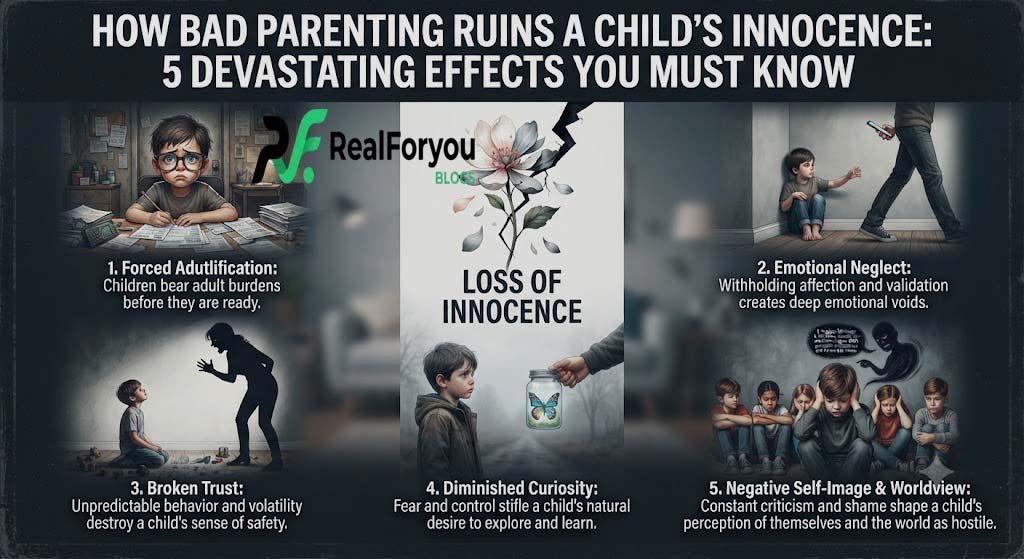
Forcing Children to Grow Up Too Soon
Childhood is meant to be a time of learning, play, and emotional growth. But some children are pushed into adult roles too early, which can take away their chance to enjoy being young. This happens when parents expect children to handle responsibilities or problems that are beyond their age. In some families, children are asked to take care of younger siblings, manage household duties, or even support their parents emotionally.
While small responsibilities can help build confidence, too much pressure can become overwhelming. A child who is forced to act like an adult may feel stressed, tired, and emotionally drained. These children often miss out on simple joys like playing, exploring, and making carefree mistakes. Instead of focusing on their own needs, they begin to worry about others. This can make them mature too quickly, but in an unhealthy way. Growing up too soon can also affect a child’s emotional development.
They may struggle to express their feelings or feel guilty for wanting time for themselves. Every child deserves a balanced childhood, where they can slowly learn responsibility while still feeling safe and free. Giving children age-appropriate roles helps them grow naturally without losing their innocence too early.

Lack of Love and Validation
Love and validation are essential for a child’s emotional growth. They help a child feel secure, valued, and confident in who they are. When these are missing, it can quietly affect a child’s inner world and slowly take away their sense of innocence. Children naturally look to their parents for affection, encouragement, and approval. Simple things like kind words, attention, or a hug can make them feel safe and important.
But when parents are distant, cold, or always critical, the child may begin to feel unnoticed or unwanted. Without love and validation, children often start to doubt themselves. They may feel that they are not good enough or that they must constantly prove their worth. This can lead to insecurity and a fear of rejection. Instead of growing with confidence, they grow with uncertainty.
Over time, these feelings can affect how they see themselves and others. They may struggle to trust people or find it hard to accept love. Every child deserves to feel loved and appreciated just for being who they are. When parents show care, support, and encouragement, they help build a strong foundation for a child’s happiness and emotional well-being.

Long-Term Effects
The impact of bad parenting does not end in childhood; it often follows a person into adulthood. The experiences a child goes through at a young age shape how they think, feel, and behave later in life. When a child grows up in a negative or unhealthy environment, the effects can stay with them for many years. One common long-term effect is low self-esteem.
Children who are constantly criticized or ignored may grow up believing they are not good enough. This can affect their confidence in school, work, and relationships. They may hesitate to take risks or try new opportunities because they fear failure. Trust issues are another major outcome. If a child does not feel safe or supported at home, they may find it difficult to trust others as they grow older.
This can make it hard for them to build strong and healthy relationships. Some individuals may also struggle with anxiety, stress, or emotional instability. They might find it difficult to express their feelings or cope with challenges in a healthy way. Although these effects can be serious, they are not permanent. With awareness, support, and positive experiences, people can heal and grow. Understanding these long-term effects is important in creating a better and healthier future.
8. Conclusion
A child’s innocence is very precious and fragile. It plays an important role in how they understand the world, trust people, and feel about themselves. When parenting becomes harmful—through neglect, strict behavior, or lack of emotional care—it can slowly damage this innocence. If they do not receive these, they may grow up feeling unsure, hurt, or emotionally distant. These effects may not always show right away, but they can stay with them as they grow older.
The good thing is that change is always possible. Parents can learn from their mistakes and try to do better. Simple actions like listening to their child, showing care, and spending quality time together can have a strong positive impact. It allows them to enjoy their childhood while also growing into confident individuals.
It is about being there for your child with love, patience, and understanding. When children feel truly cared for, their innocence stays protected, and they can grow into happy and emotionally strong people
