


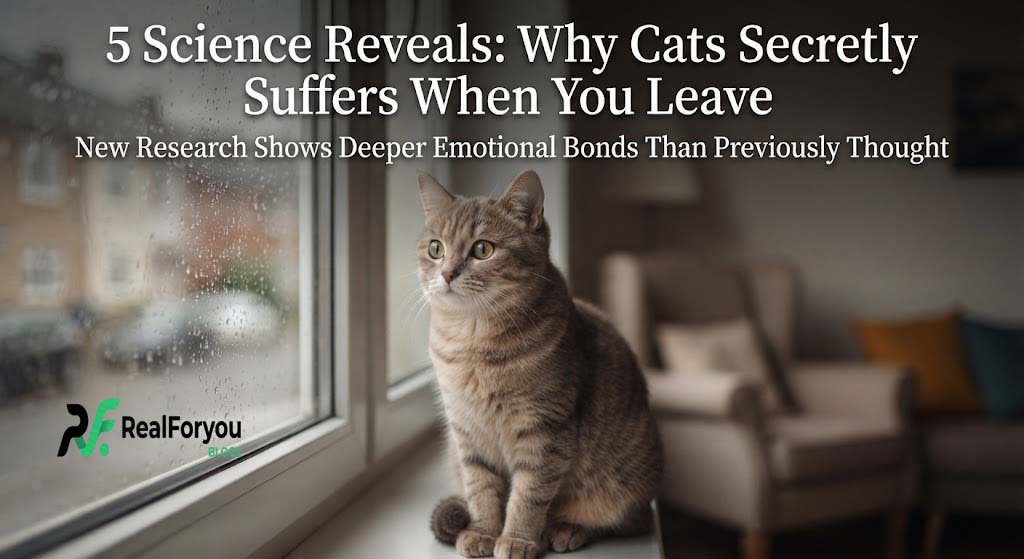
Why Cats Get Emotional When You Are Not at Home
Cats have a reputation for being independent and aloof, but the truth is far more complex. Behind those mysterious eyes lies a creature capable of forming deep emotional bonds with their human companions. When you walk out the door, your cat may not express their feelings the way a dog would, but research increasingly shows that cats do experience genuine emotional responses to your absence .
The Science Behind Feline Attachment
For years, scientists assumed cats were solitary creatures who didn’t form the same attachments as dogs. A landmark 2019 study from Oregon State University challenged this assumption. Researchers conducted a “secure base test”—a standard measure of attachment in children and dogs—to observe how cats responded when separated from their owners.
The results were striking: approximately 65% of cats displayed a secure attachment style, meaning they showed distress when separated from their caregiver but relaxed and sought comfort upon their return . This figure is remarkably similar to the attachment patterns seen in human children (65%) and actually surpasses dogs (58%) .
These findings suggest that cats don’t just tolerate us—they genuinely rely on us as a source of security and emotional stability.

What Your Cat Experiences When You Leave
Cats are creatures of habit. They thrive on predictability, and your departure disrupts their carefully observed routine. When something falls outside the norm, they notice—and often feel stressed .
A 2017 study found that cats left alone for longer periods responded to their owner’s return with increased purring and stretching, behaviors researchers interpreted as genuine relief and happiness . This suggests your cat doesn’t just forget you when you’re gone—they actively anticipate your return.
For some cats, your absence triggers separation anxiety, a condition where the cat experiences significant distress when separated from their bonded human . Female cats in single-cat households are particularly susceptible .
Signs Your Cat Misses You
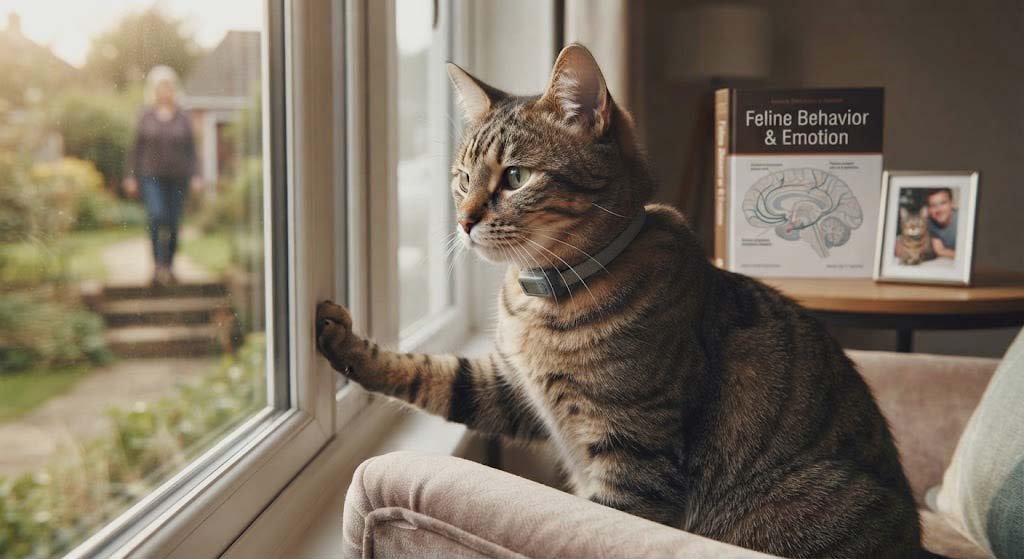
Cats communicate their emotions through subtle cues. Here are common signs that your cat feels your absence :
Excessive meowing or howling when you’re preparing to leave or after you return
Troublesome conduct like scratching chairs or sending objects crashing to the floor
Eliminating outside the litter box, especially on items with your scent like clothing or bedding
Clinginess—following you from room to room or demanding constant attention
Compulsive grooming habits that may result in fur loss and bare spots
Bringing a favored toy along while moving about the home
Changes in appetite—overeating or refusing food
Why Some Cats Struggle More Than Others
Not every cat responds to your absence with distress. Several factors influence how your cat copes :
Environment: Cats that spend their entire lives indoors interact more frequently with their humans and may become more dependent on their presence
History: Cats that were orphaned, weaned too early, or experienced trauma are more vulnerable
Bond strength: The deeper the attachment, the more likely your cat will struggle with separation.

The Territory Factor
Cats are unique in that they depend on their environment for security, not just social bonds. While dogs are social animals that look to their pack for reassurance, cats rely heavily on their territory. When this territory feels safe and predictable, they can regulate their own emotions. But when their environment is inadequate, they may turn to you as their primary source of security .
This is why indoor cats that lack environmental enrichment—like climbing spaces, hiding spots, and interactive toys—are more likely to become overly dependent on their owners .
How to Help Your Cat Feel Secure
If your cat shows signs of distress when you’re away, you can take practical steps to ease their anxiety :
Maintain routine. Cats find comfort in predictability. Feed them at the same times, play at consistent hours, and keep their environment stable even when your schedule changes .
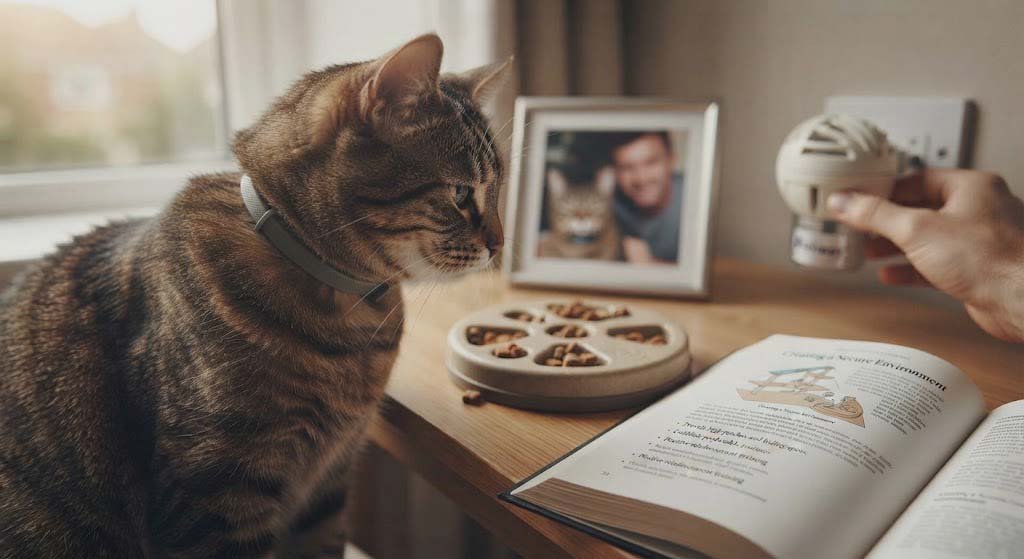
Provide enrichment. Leave puzzle feeders, rotating toys, and access to window perches where they can observe the outside world. Bored cats are more likely to feel anxious .
Leave your scent. A piece of unwashed clothing with your smell can comfort your cat in your absence .
Consider a pet sitter. For longer absences (12–24 hours or more), having someone visit to feed, play, and provide companionship can significantly reduce stress .
Use calming aids. Classical music has been shown to soothe anxious cats, and pheromone diffusers can help create a sense of security .
Keep departures and arrivals low-key. Making a big fuss when leaving or returning can heighten your cat’s anxiety. Instead, keep these moments calm and brief .
A Deeper Bond Than You Think
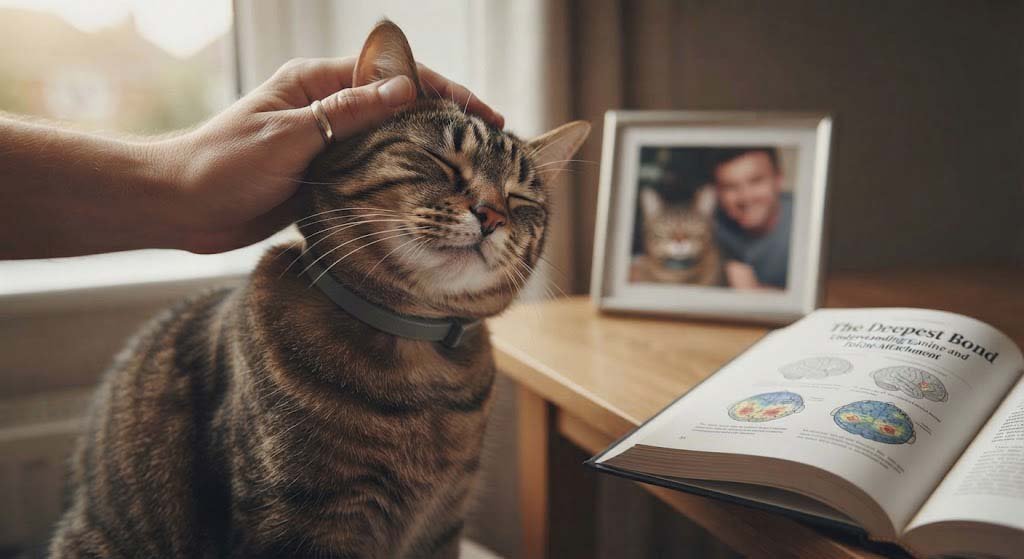
The idea that cats are indifferent to our presence is slowly being replaced by scientific evidence that shows just how much they care. Your cat may not greet you at the door with a wagging tail, but their quiet presence, their slow blinks, and their choice to curl up beside you speak volumes.
When you leave, they notice. When you return, they feel relief. And underneath that independent exterior lies a creature that has formed a genuine emotional attachment to you—one that science is only beginning to fully understand.
About the Author
My name is Dua Qamar, and I am a content writer passionate about understanding the deeper bonds between humans and animals. I believe that the more we learn about our pets, the better we can care for them.
Why I Wrote This Article:
I wrote this piece because I have often heard people say that “cats don’t care.” The science tells a very different story. I wanted to explore what we actually know about how cats experience separation and to help owners understand the subtle signs their feline companions are communicating.
How I Approached This Topic:
My research drew on recent scientific studies, including the 2019 Oregon State University attachment study, veterinary resources, and expert commentary from certified cat behavior consultants. I focused on evidence-based insights rather than anecdotal claims.
Who This Article Is For:
This article is for anyone who shares their life with a cat—whether you are a new cat owner wondering what your kitten is feeling, or a longtime cat lover wanting to understand your companion on a deeper level.
The Message I Hope Readers Take Away:
Your cat’s bond with you is real, meaningful, and backed by science. The behaviors you see when you return home are not random—they are your cat’s way of saying they missed you.
Written by: Dua Qamar
