


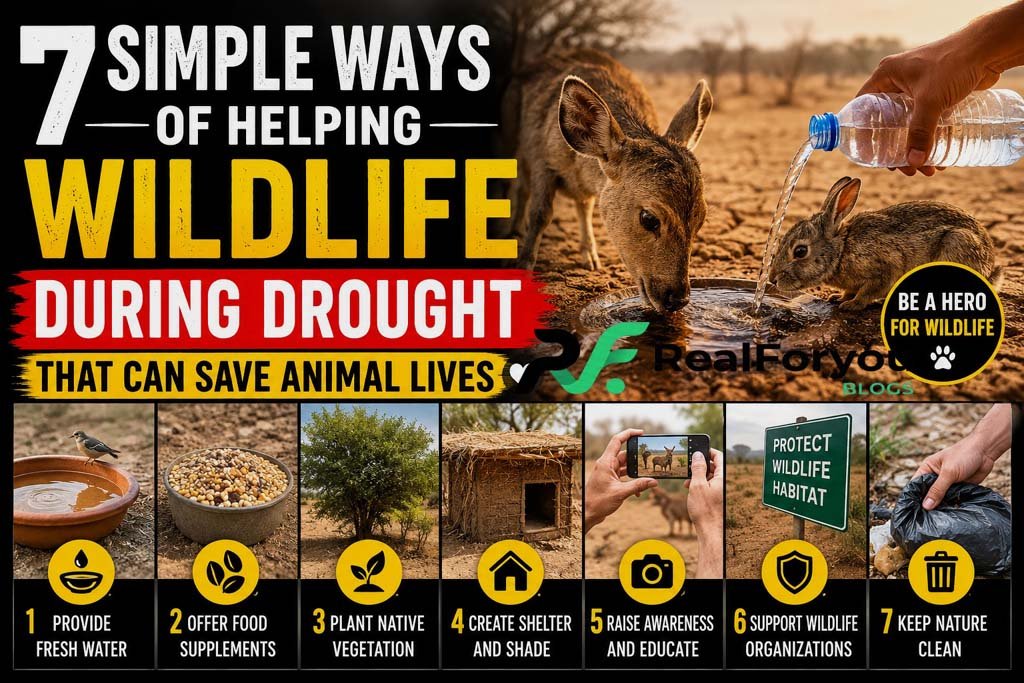
Helping Wildlife During Drought: How Simple Acts of Kindness Can Save Animal Lives
Drought is one of the greatest challenges wildlife faces in many parts of the world. As rivers shrink, ponds dry up, and natural water sources disappear, animals must travel farther in search of drinking water. During these difficult times, helping wildlife during drought becomes an important part of protecting local ecosystems and supporting biodiversity.
Conservation organizations, park rangers, volunteers, and local communities often work together to reduce the effects of drought on wild animals. Their work shows that simple acts of compassion can create meaningful change.
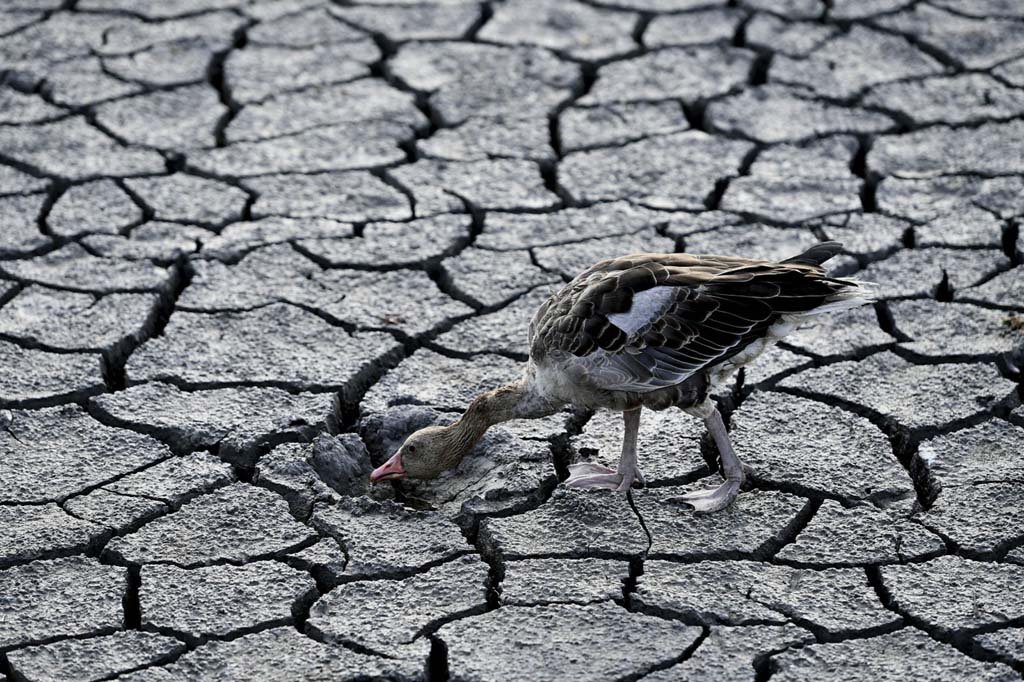
Why Drought Is So Dangerous for Wildlife
Water is essential for every living creature. During long dry seasons, many animals struggle to find enough water to survive. Birds, mammals, reptiles, and insects all depend on reliable water sources for drinking, cooling down, and raising their young.
When water becomes scarce, animals may travel into unfamiliar areas, increasing the risk of hunger, exhaustion, road accidents, and encounters with people.
Supporting Animals in Dry Conditions
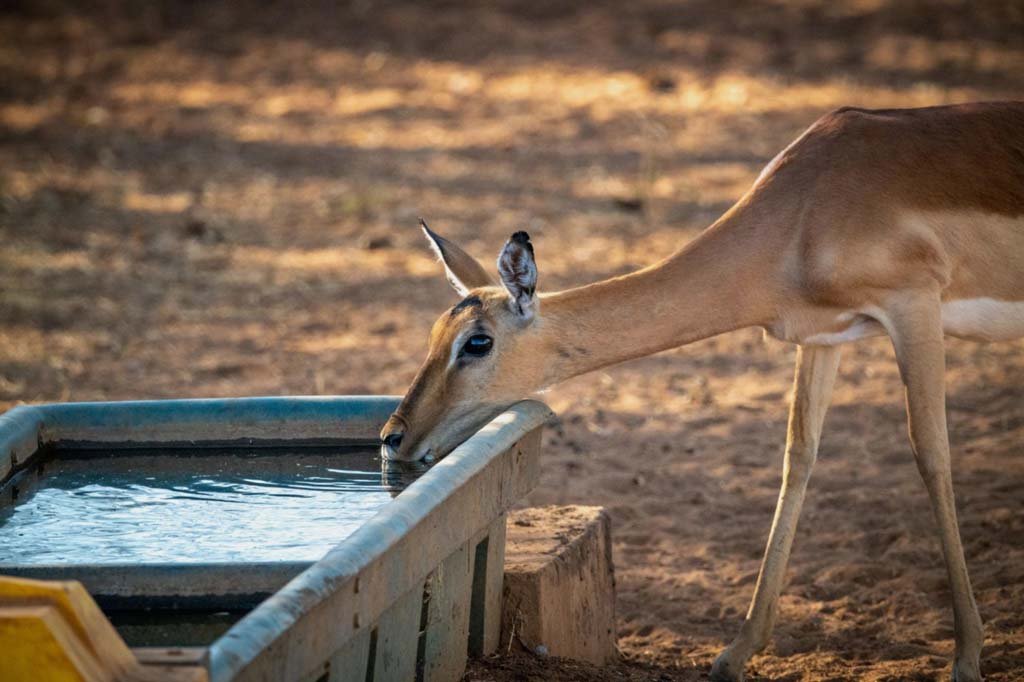
One important part of helping wildlife during drought is ensuring that animals have access to safe drinking water where it is appropriate and approved by local conservation authorities.
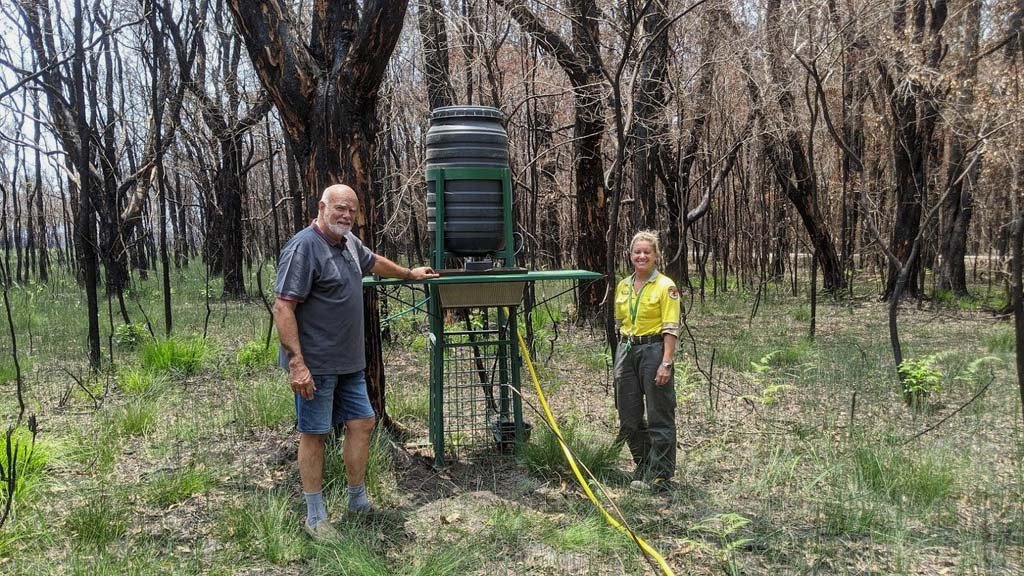
In protected parks and wildlife reserves, trained teams sometimes transport water to carefully selected locations when natural sources become critically low. These efforts are planned to protect both animals and their habitats.
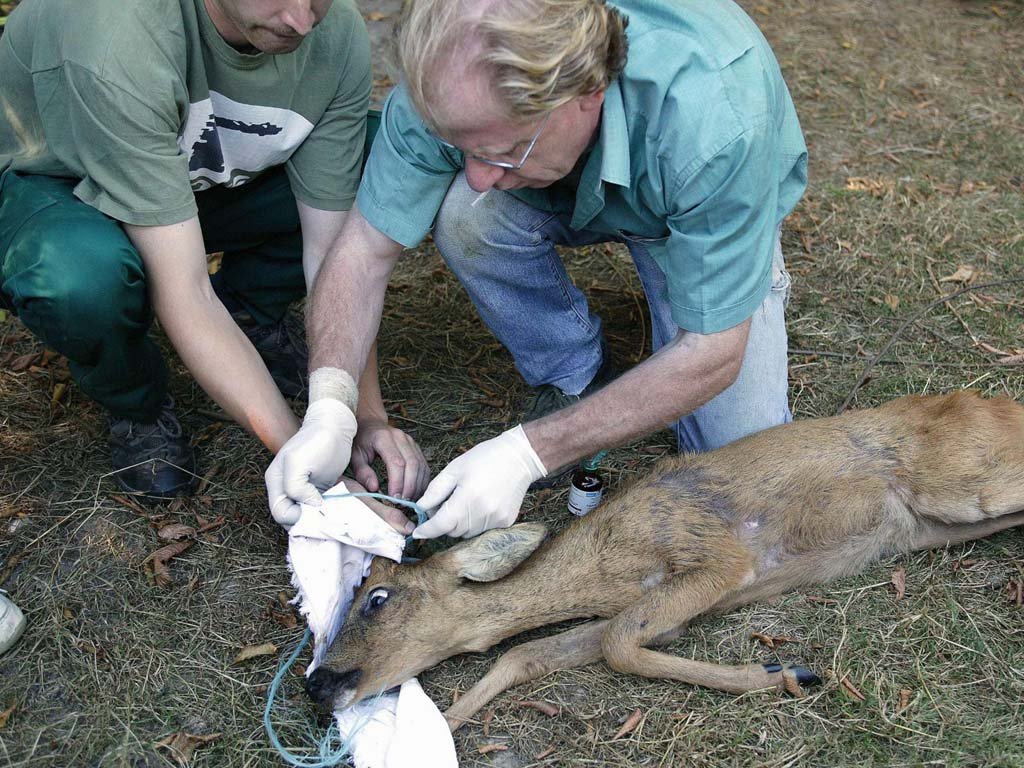
The Role of Conservation Teams
Wildlife professionals monitor environmental conditions throughout the year. When drought becomes severe, they may install temporary water points, repair damaged water systems, or transport water to remote areas.
These actions help reduce unnecessary stress on wildlife while supporting healthy ecosystems.
Community Support Matters
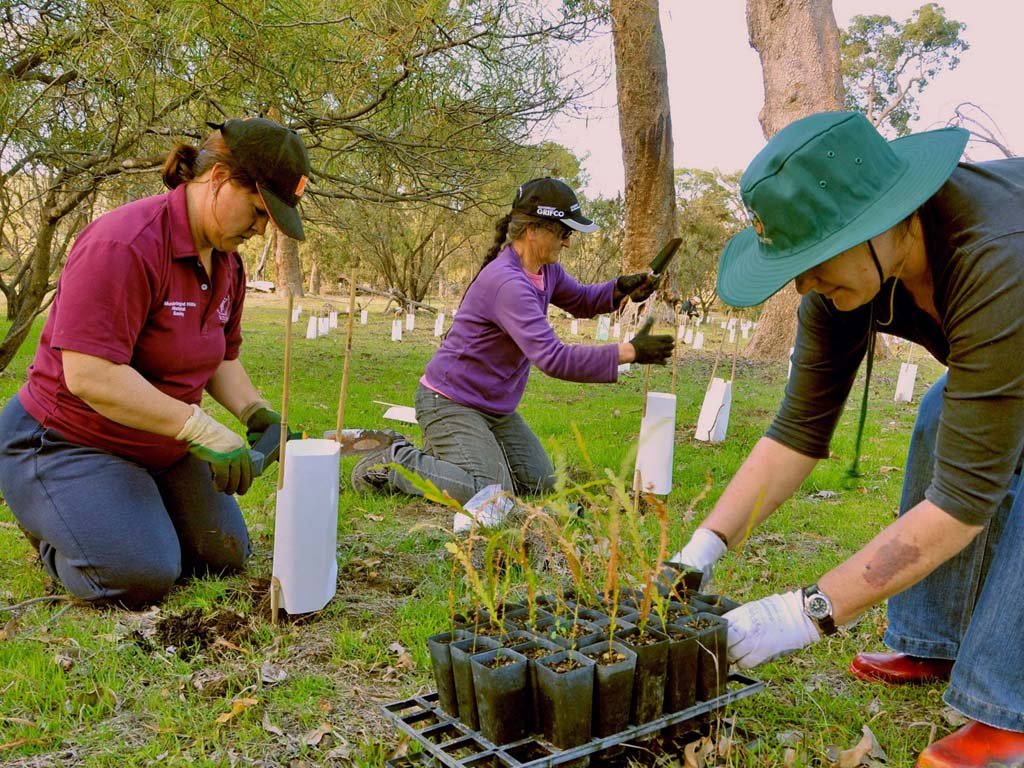
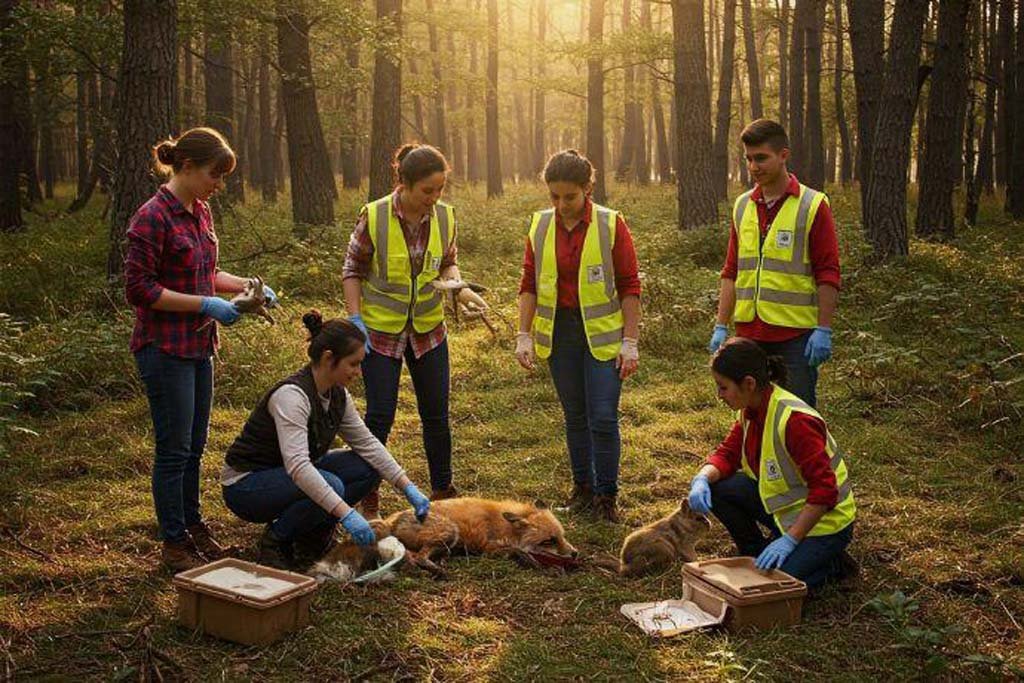
Local communities also play an important role in helping wildlife during drought. People may volunteer with conservation projects, report injured animals, support wildlife organizations, or participate in habitat restoration programs.
Working together often produces better results than individual efforts alone.
Protecting Natural Habitats
Providing water is only one part of conservation.
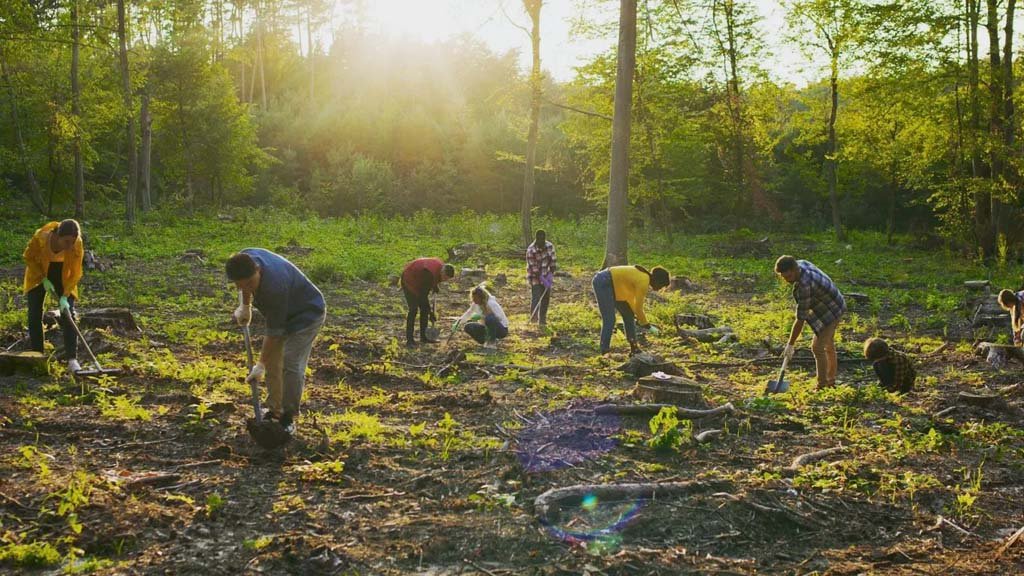
Healthy forests, wetlands, rivers, and grasslands naturally store water and provide shelter for wildlife. Protecting these habitats helps animals survive not only during drought but throughout the entire year.
Habitat conservation remains one of the most effective long-term solutions.
Responsible Ways to Help
People who want to support wildlife should always follow local conservation guidance.
Helpful actions may include:
Supporting trusted wildlife organizations.
Conserving water at home.
Protecting natural habitats.
Planting native vegetation.
Reporting injured wildlife to professionals.
Learning about local conservation programs.
These simple actions contribute to helping wildlife during drought without unintentionally harming wild animals.
Climate Change and Water Shortages
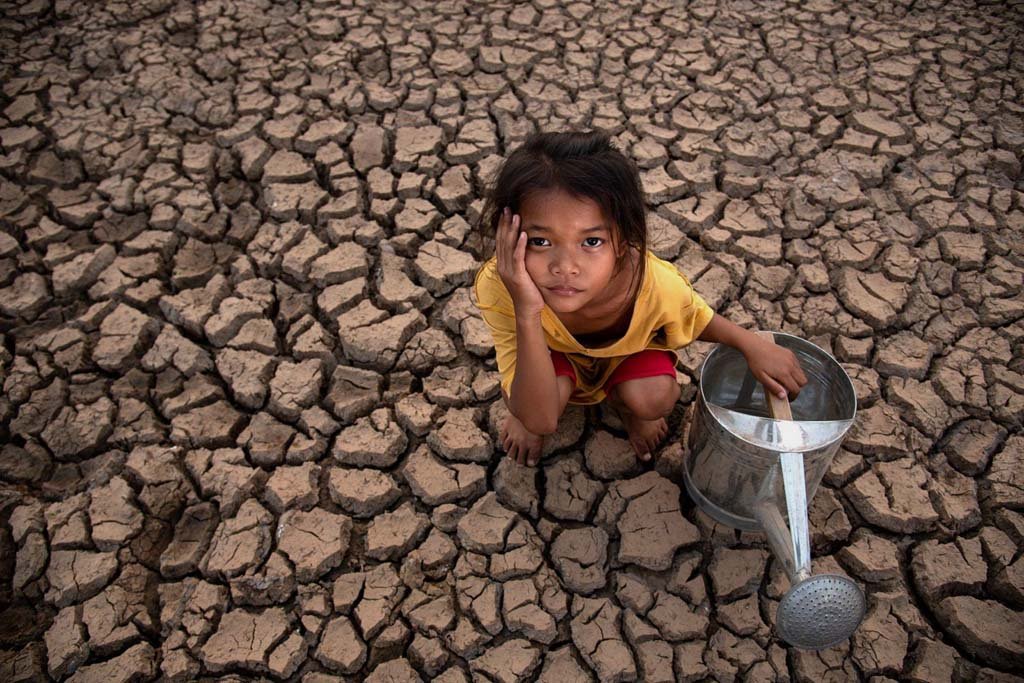
Many scientists expect droughts to become more frequent and severe in some regions because of changing climate patterns. This increases the importance of protecting ecosystems and managing water resources responsibly.
Preparing for future droughts helps both wildlife and human communities.
Inspiring Others Through Kindness
Stories about people who care for wildlife often inspire others to become involved in conservation. Whether someone volunteers, donates, educates others, or supports habitat restoration, every positive action contributes to protecting nature.
Small efforts, when combined, can have a lasting impact.
A Shared Responsibility
Wildlife is an important part of healthy ecosystems. Animals help pollinate plants, disperse seeds, control pests, and maintain ecological balance.
By helping wildlife during drought, people also help protect forests, grasslands, rivers, and countless other forms of life that depend on healthy environments.
Conclusion
Drought creates enormous challenges for wild animals, but thoughtful conservation efforts can reduce its impact. From protecting natural habitats to supporting professional wildlife programs, there are many ways to make a positive difference.
Every action taken toward helping wildlife during drought supports healthier ecosystems and gives animals a better chance of surviving difficult environmental conditions. Caring for wildlife today helps preserve nature for future generations.

1 Comment
Pingback: Most Endangered Animals In Africa EXPOSED: 10 Species F