


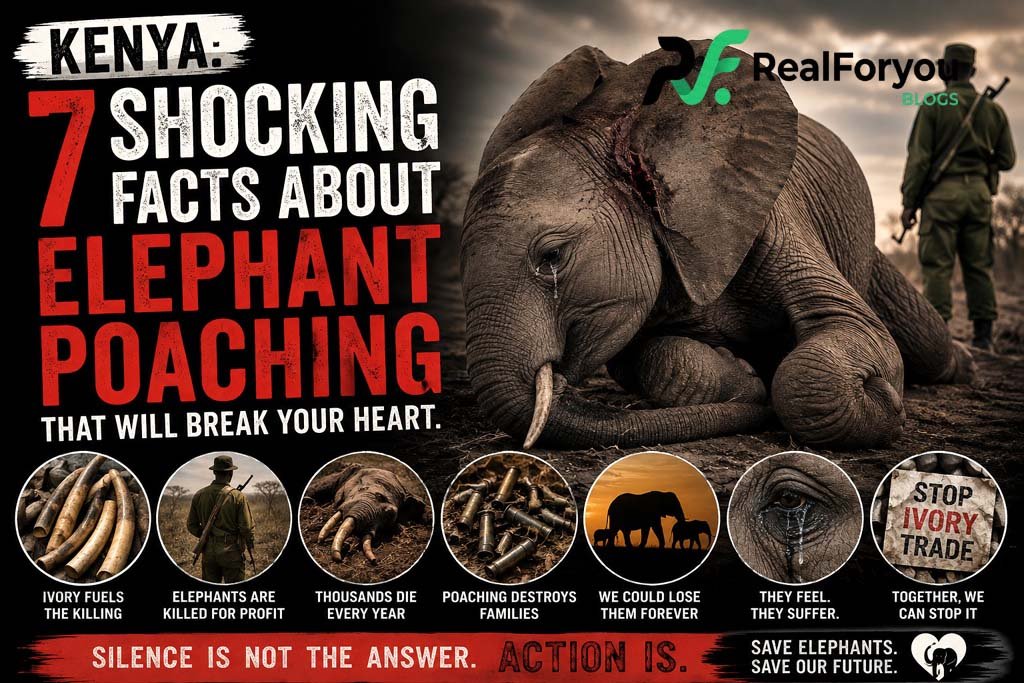
The Harsh Truth About Elephant Poaching in Kenya
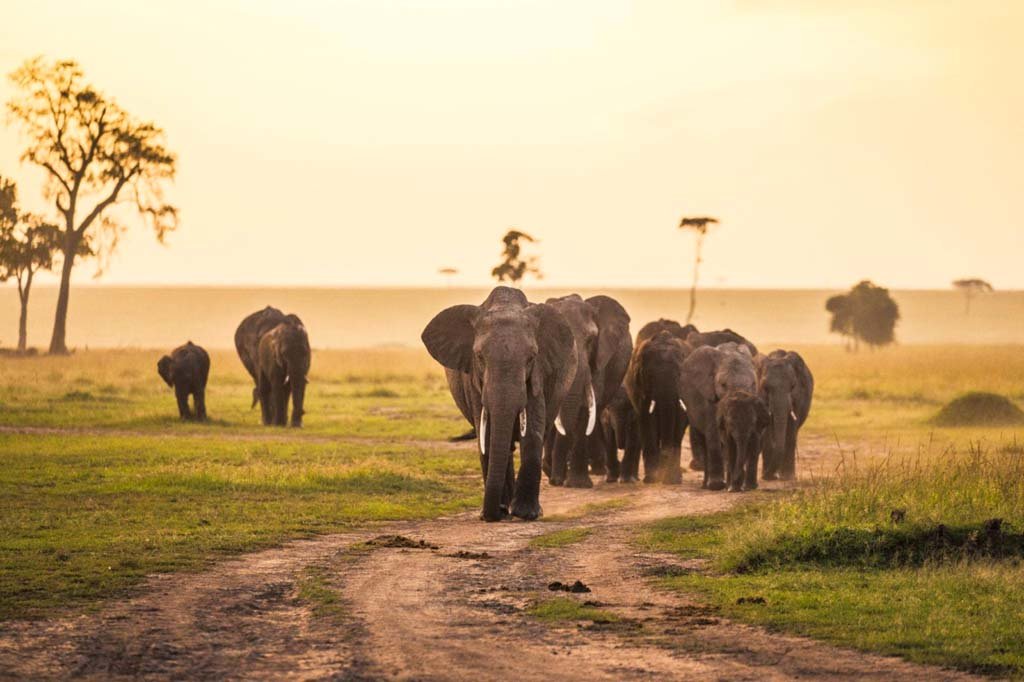
Kenya is home to some of the world’s most beautiful wildlife, and elephants are one of its greatest treasures. These gentle animals are known for their intelligence, strong family relationships, and important role in nature. Every year, people from around the world visit Kenya to see elephants living freely in national parks and wildlife reserves.
Sadly, many elephants are still in danger because of illegal poaching. Although many people are working hard to protect them, poaching continues to threaten their survival. Saving elephants is not only about protecting one animal—it is also about protecting nature, local communities, and future generations.
What Does Elephant Poaching Mean?
Elephant poaching is the illegal killing of elephants, mainly for their ivory tusks. Ivory has been used for making decorations, jewelry, and other products for many years. Even though selling ivory is restricted in many countries, illegal trade still exists, encouraging poachers to hunt elephants.
Poaching is a serious crime in Kenya. Wildlife officers and conservation groups spend a lot of time and effort trying to stop it, but it remains a difficult problem because criminals can make a lot of money from the illegal ivory trade.
Why Are Elephants So Important?
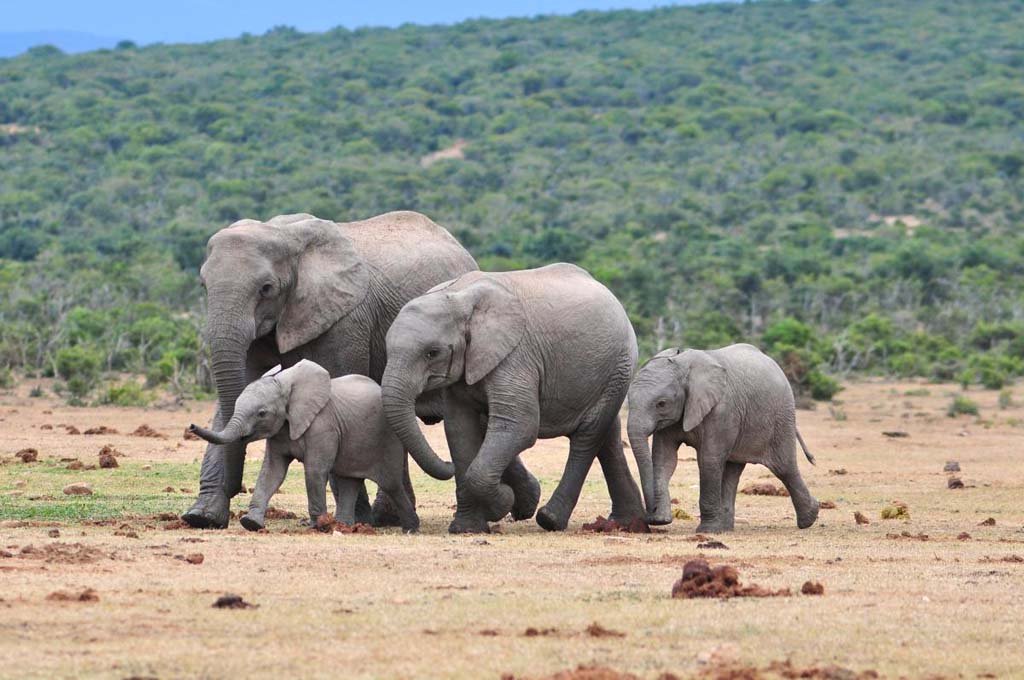
Elephants are much more than large animals. They help keep forests and grasslands healthy. As they travel, they spread seeds through their waste, helping new plants grow. They also clear paths through thick bushes, making it easier for other animals to move around.
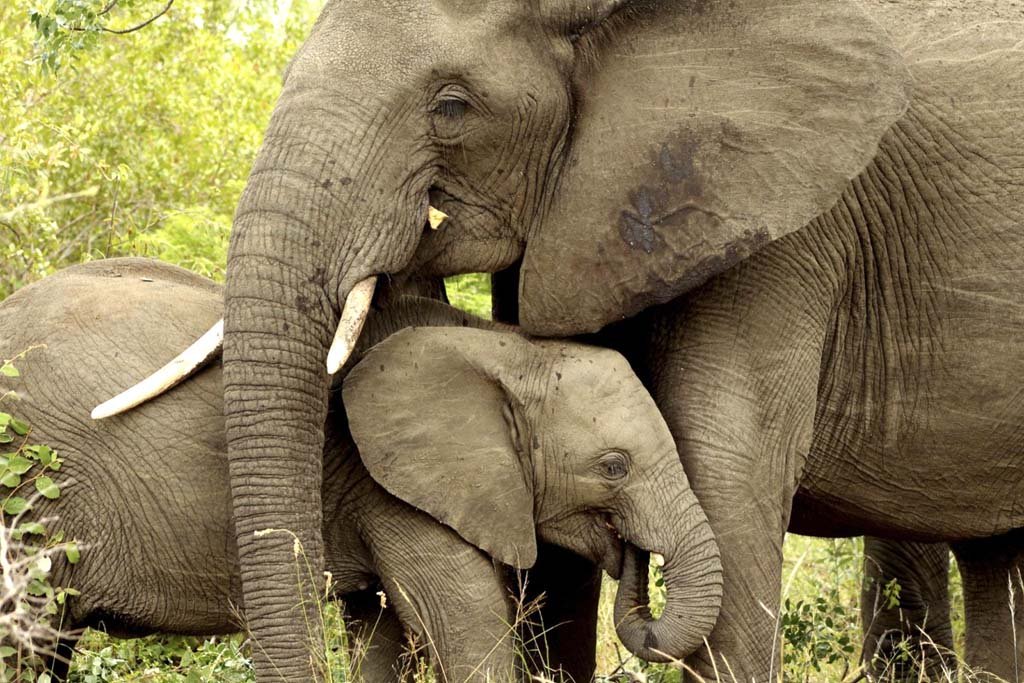
Elephants live in close family groups and care deeply for one another. Older elephants protect younger ones, and family members stay together for many years. They communicate through sounds, body movements, and even vibrations that travel through the ground. These special behaviors make elephants one of the most fascinating animals in the wild.
How Poaching Affects Elephants
When an elephant is killed, the loss affects the whole family. Young elephants may lose their mothers or leaders, making it harder for them to survive and learn important skills.
Poaching also reduces the number of elephants living in the wild. If too many elephants disappear, it becomes difficult for the population to recover. This can change the natural balance of forests and grasslands, affecting many other animals that depend on the same environment.
Wildlife tourism is also important for Kenya. Many local people earn a living by working in national parks, hotels, safari companies, and other tourism businesses. Fewer elephants can mean fewer visitors, which may affect local jobs and businesses.
What Is Kenya Doing to Protect Elephants?
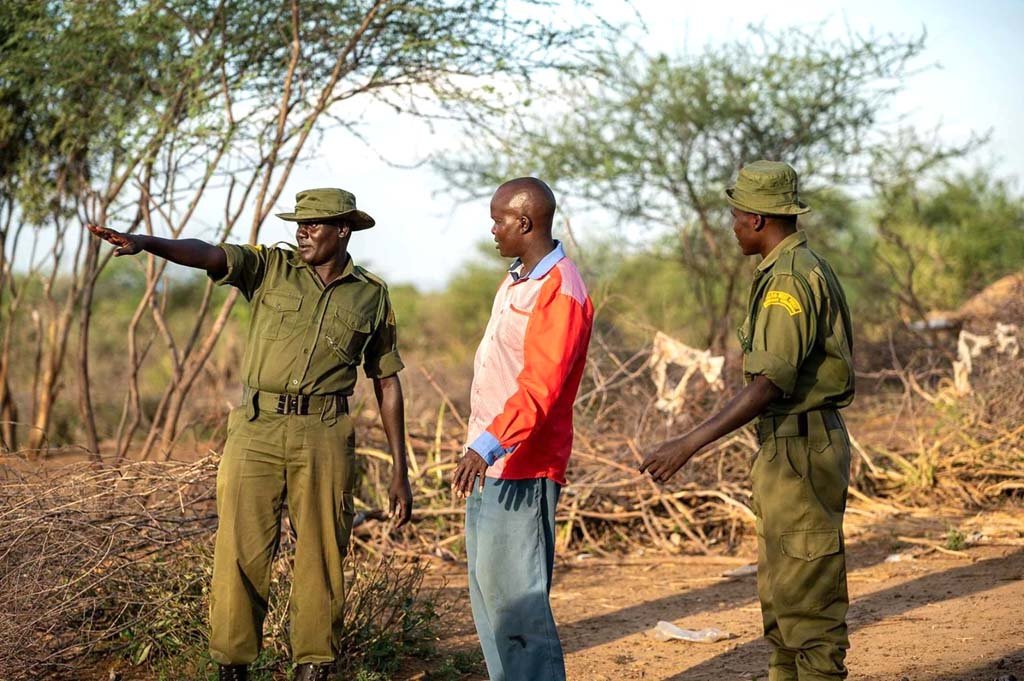
Kenya has taken many strong steps to protect its wildlife. Wildlife rangers patrol parks and protected areas every day to stop illegal hunters. Their work is often challenging because they cover large areas and sometimes face dangerous situations.
The government has also introduced stricter wildlife laws and stronger punishments for people involved in poaching. Modern technology, including drones, cameras, GPS tracking, and satellite systems, helps conservation teams monitor elephant movements and quickly respond to possible threats.
Many wildlife organizations also work with local communities to protect elephant habitats and reduce human-wildlife conflicts.
How Local Communities Help
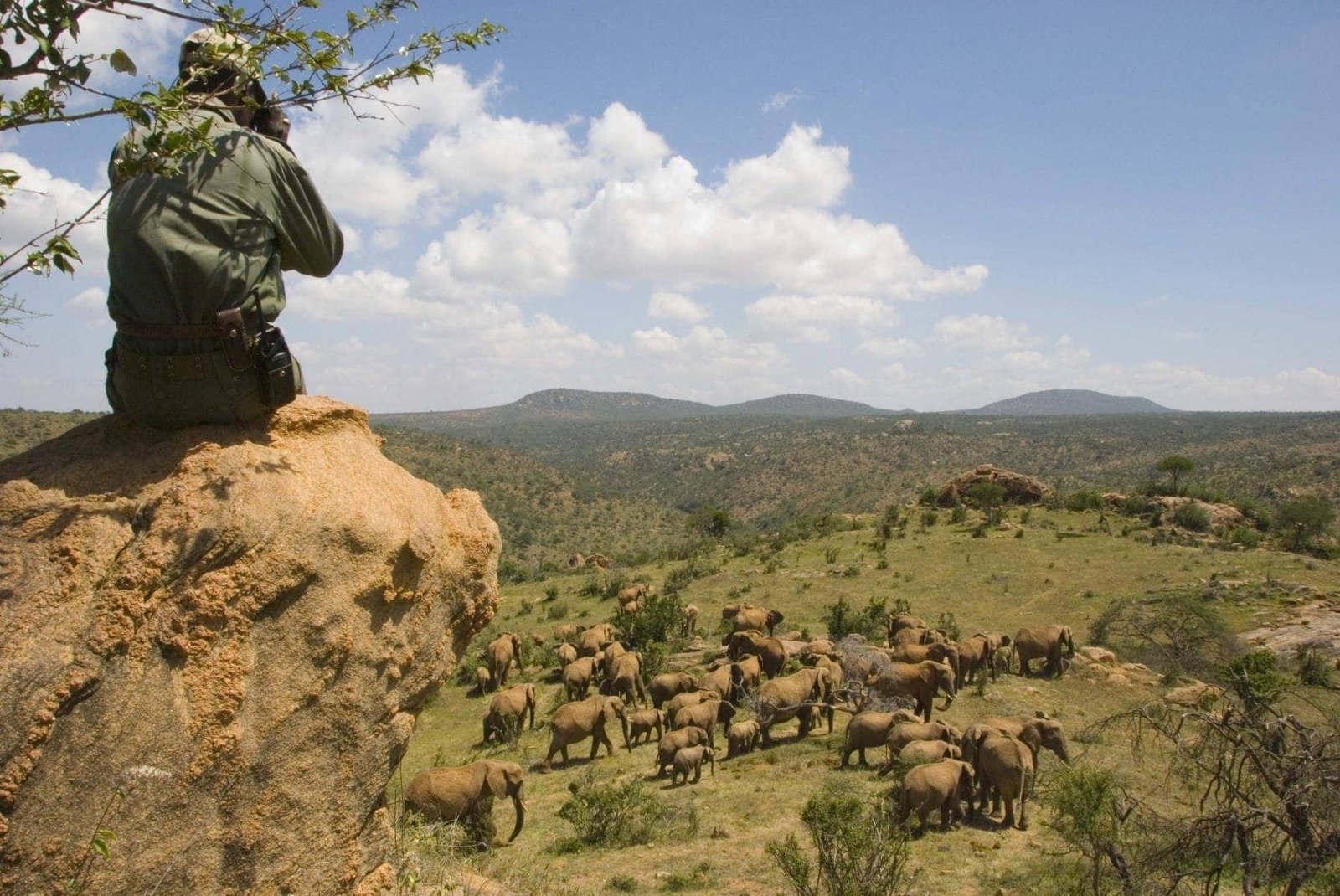
People who live near wildlife areas play an important role in elephant conservation. Many communities now take part in projects that create jobs through tourism, wildlife protection, and environmental programs.
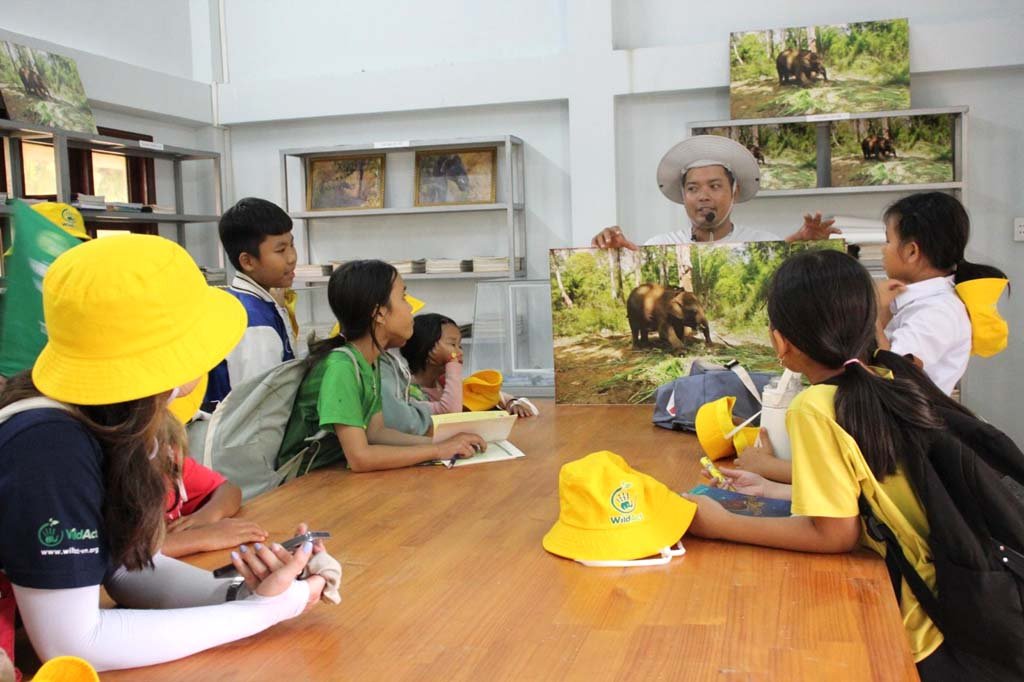
When local families benefit from protecting nature, they are more likely to support conservation efforts. Schools and community groups also teach children why elephants are valuable and why protecting wildlife is important for the future.
Working together helps both people and wildlife live peacefully in the same environment.
How Everyone Can Make a Difference
You don’t have to live in Kenya to help protect elephants. One of the easiest ways is to never buy products made from ivory. Avoiding ivory reduces demand and helps discourage illegal hunting.
You can also support trusted wildlife organizations, learn more about endangered animals, and share information with others. Visiting wildlife parks responsibly and supporting eco-friendly tourism also helps protect elephants and their natural homes.
Even small actions, such as talking about wildlife conservation or supporting education programs, can make a positive difference.
Hope for the Future
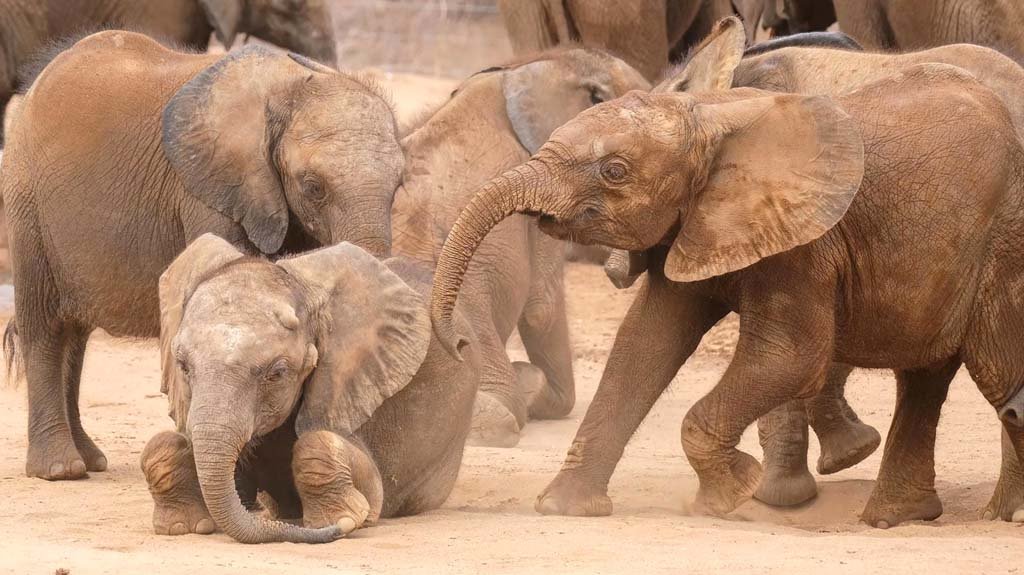
Although elephant poaching is still a serious problem, there is hope. Kenya has made great progress through stronger laws, better technology, dedicated wildlife rangers, and growing public awareness. In some protected areas, elephant numbers have improved because of years of conservation work.
Protecting elephants will continue to require teamwork between governments, conservation groups, local communities, and people around the world. Every effort, no matter how small, helps build a safer future for these amazing animals.
Conclusion
Elephants are an important part of Kenya’s wildlife and natural beauty. They help keep ecosystems healthy, support tourism, and inspire millions of people with their intelligence and strong family bonds.
Illegal poaching remains a major threat, but there is still hope. By protecting elephant habitats, stopping the illegal ivory trade, supporting conservation projects, and educating future generations, we can help ensure that elephants continue to live safely in the wild. Protecting these gentle giants today means giving future generations the chance to enjoy and learn from them for many years to come.

1 Comment
Pingback: Relationship Truths: Lust Vs Love – 7 Key Differences