


Samsung’s Next Chapter: AI That Acts, Foldables That Fit Every Hand, and Glasses That Guide
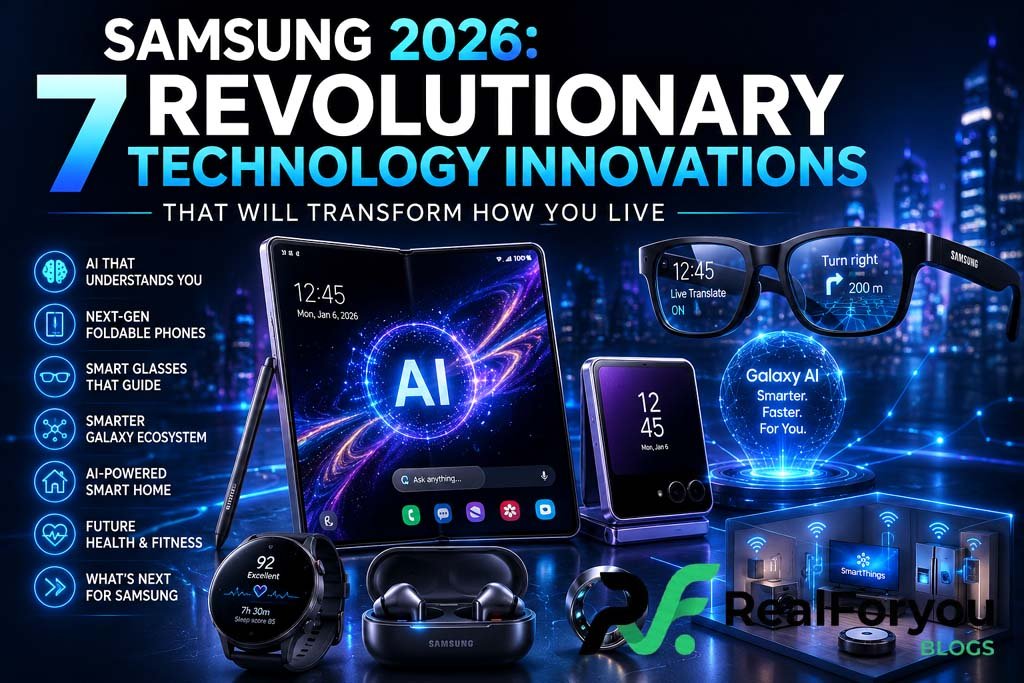
Smartphones and wearable tech have come a long way, yet most of us still find ourselves tapping, swiping, and searching just to get basic things done. Samsung believes this friction doesn’t have to exist anymore. Their latest vision for 2026 revolves around three big ideas: artificial intelligence that takes initiative, foldable phones designed for real people with real preferences, and eyewear that quietly assists without getting in the way.
Moving Beyond Reactive Technology
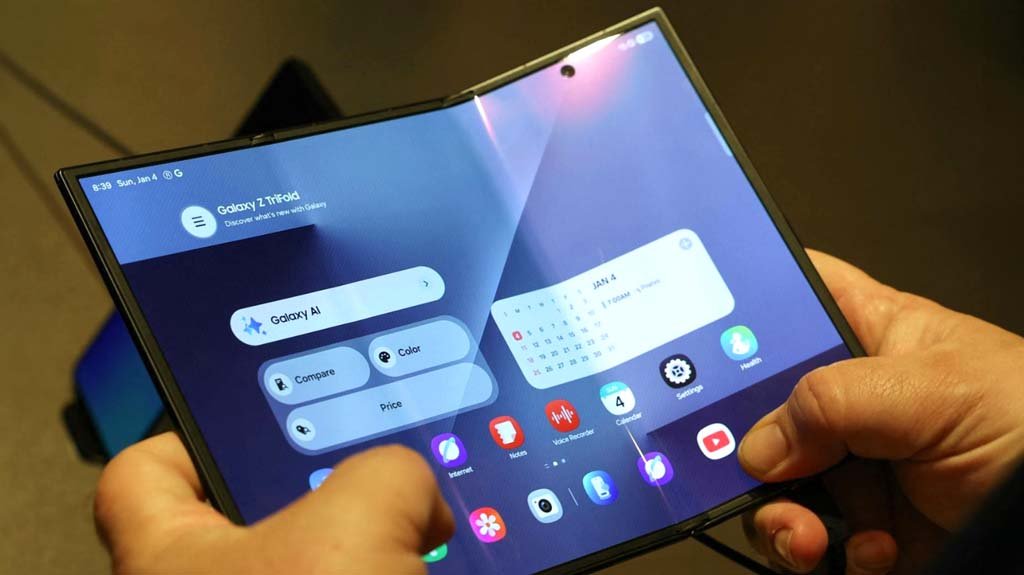
Consider how you interact with your phone daily. You grab it, wake up the display, hunt for the app you need, punch in some text, and wait for results to show up. Almost everything demands your active participation. Samsung wants to turn this model on its head. Their next generation of devices will observe your routines, learn from your behavior, and step in with helpful suggestions before you even realize you need them.
Think about a common travel scenario. You’re dashing through a busy terminal and suddenly draw a blank about your departure gate. Under normal circumstances, you’d stop walking, fish out your phone, unlock it, scroll through emails, and dig up the information. With Samsung’s smarter approach, your handset could already possess your booking confirmation, detect through location services that you’re at the airport, and quietly flash your gate number on the lock screen. No digging required. No frantic searching. The information finds you.
This marks a genuine departure from current virtual helpers. We’ve grown accustomed to chatbots that respond to our queries, but they rarely anticipate what comes next. Samsung is building systems that weave together calendar appointments, messaging history, current location, and recent browsing activity to forecast your immediate requirements. The goal is a phone that feels like a perceptive companion rather than a tool you must constantly operate.
Matching Foldables to Different Lifestyles
Samsung has experimented with bendable screens for several generations now. Critics sometimes dismissed these devices as expensive toys for gadget enthusiasts eager to show off something unusual. The 2026 portfolio suggests Samsung has moved past that phase entirely. They appear committed to making foldables genuinely practical by accepting a straightforward truth: not everyone wants the same experience from a folding phone.
Some professionals treat their phone as a mobile office. They need a spacious canvas for reviewing lengthy documents, editing presentations, or sketching concepts during client calls. For these individuals, Samsung offers a large-format foldable that unfolds into a tablet-sized workspace, paired with a camera system that rivals dedicated photography gear. It’s built for getting serious work done without carrying a separate tablet.
Other users care less about productivity and more about immersive entertainment. They want a device that transforms into a wide screen for streaming shows, playing graphically rich games, or flipping through digital magazines. Samsung’s answer is a lighter foldable with a broader aspect ratio that feels comfortable in landscape mode. Despite its generous display, it remains easy to hold and slip into a pocket.
Then there’s the crowd that values fashion and compactness above everything else. The clamshell-style foldable continues to shrink in thickness and weight while gaining a more useful external panel. This outer screen now handles quick tasks like checking notifications, replying to brief messages, or glancing at the day’s agenda without opening the phone at all. It suits people who want style without sacrificing functionality.
Offering three distinct choices makes perfect sense. For years, Samsung forced everyone into a single foldable mold. Now they recognize that executives, gamers, and trend-conscious shoppers have wildly different priorities. Designing specialized hardware for each group transforms foldables from niche experiments into mainstream alternatives.
Eyewear That Adds Value Without Intrusion
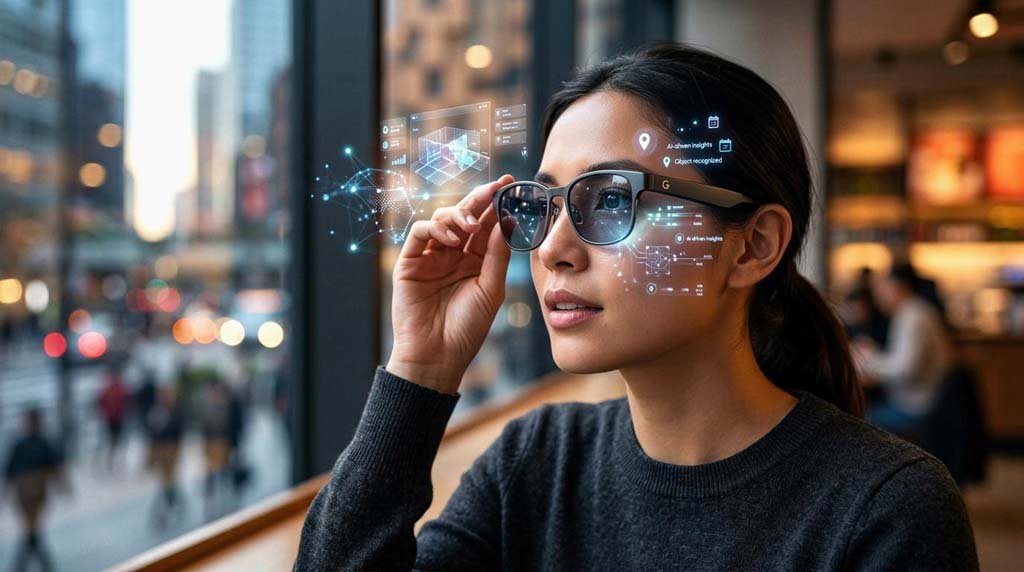
Smart glasses have a complicated history. Previous attempts faced criticism over privacy, awkward designs, and unclear purpose. Samsung’s take approaches the category from a fresh angle. Rather than cramming a full computer onto your face, they’ve built an assistant that shares your field of vision.
The underlying concept is elegantly straightforward. Your phone already listens to your voice. Your watch already monitors your pulse. Your glasses could finally perceive your surroundings. When you travel abroad, they could translate foreign text on menus, street signs, or museum plaques instantly. During workplace meetings, they could photograph whiteboard sketches and compile coherent notes automatically. While navigating unfamiliar neighborhoods, they could overlay directional prompts directly onto your line of sight, eliminating the need to stare down at a map.
Samsung clearly learned from the privacy pitfalls that plagued earlier smart glasses. A small LED glows whenever the camera engages, removing any doubt about recording status. The glasses also sense when you remove them and immediately deactivate visual capture functions. These considerations might seem minor, but they’re essential for earning consumer trust.
Design partnerships with respected eyewear brands ensure these glasses look ordinary enough for everyday wear. Uncomfortable or odd-looking frames would defeat the purpose entirely. The aesthetic choices suggest Samsung understands that adoption depends on style as much as technology. If they resemble regular prescription frames or sunglasses, people will actually wear them outside.
Connecting Everything Into One Cohesive System
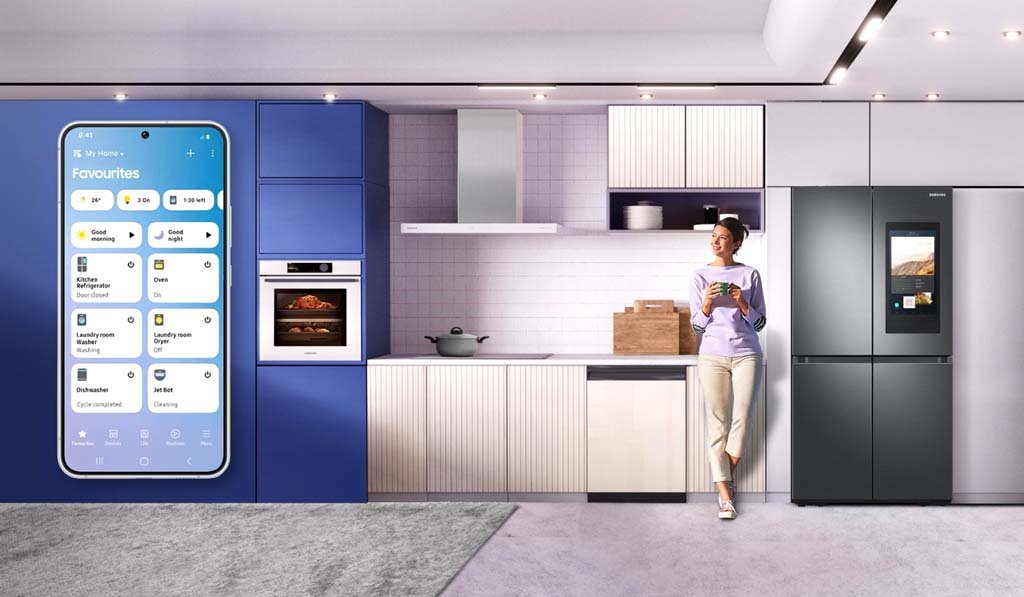
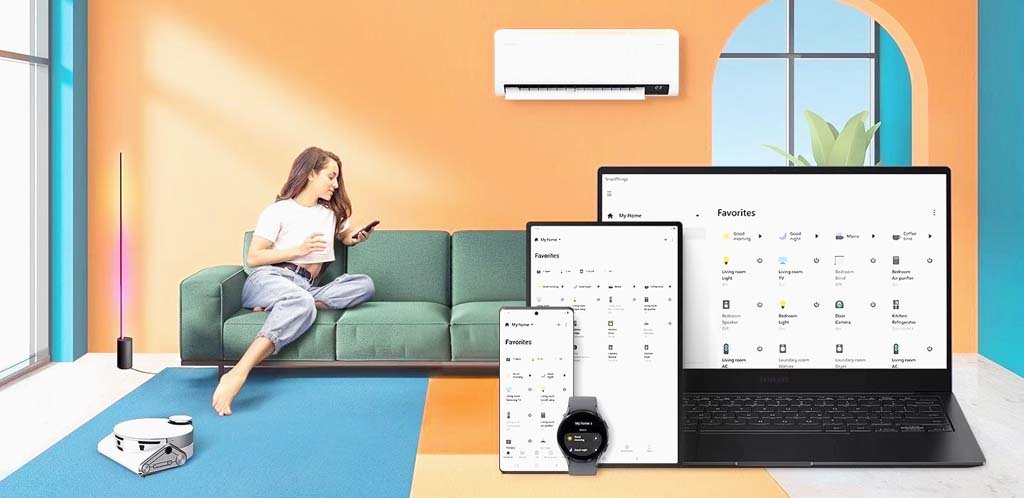
Individual products can impress on their own. A smarter handset makes life a bit easier. A well-designed foldable phone matches your personal habits. Helpful glasses improve how you navigate spaces. But the real breakthrough happens when these devices talk to each other.
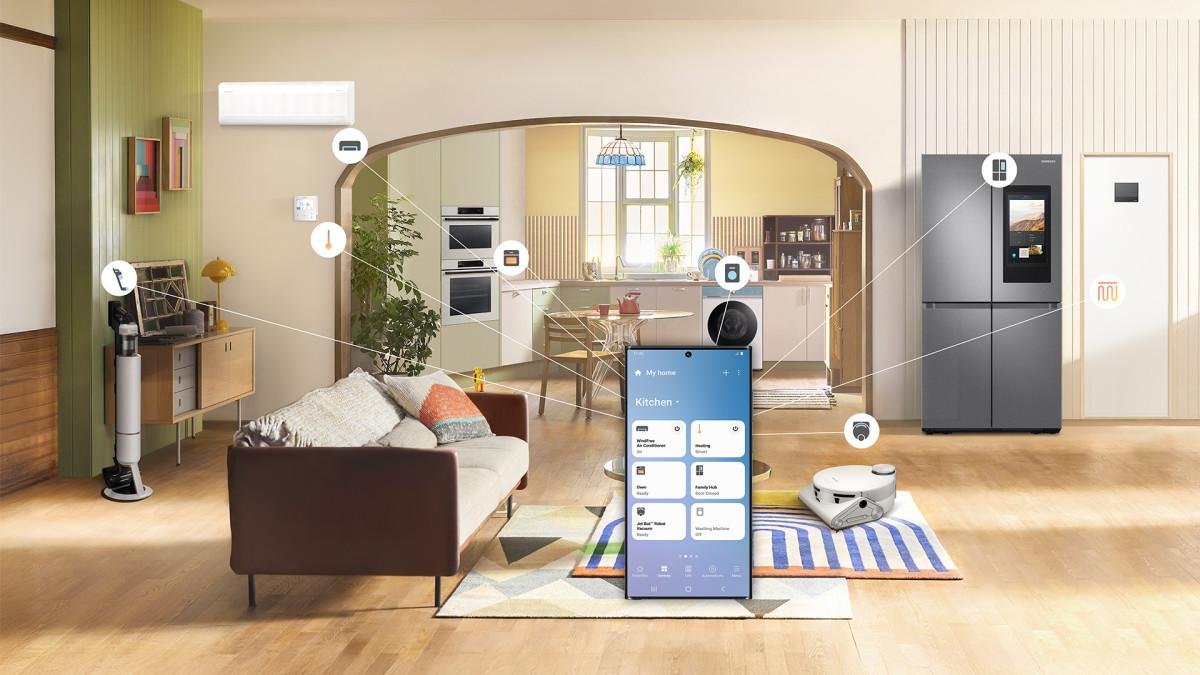
Your wrist-worn tracker monitors your heart rate and stress indicators. Your pocket device tracks your schedule and message threads. Your eyewear observes the environment around you. Pooling this data allows the entire ecosystem to decide what information matters most at any given moment. If your watch senses rising anxiety right before an important pitch, your phone might gently resurface your talking points. If your glasses detect you’re browsing a restaurant menu, your handset could instantly pull up customer reviews and popular dishes.
This cohesive intelligence represents Samsung’s true long-term bet. They aren’t merely iterating on hardware. They’re constructing an interconnected web that understands your context across every device you carry. The ultimate aspiration is technology that recedes into the background, offering assistance exactly when needed and staying silent when you’re busy.
What This Means Going Forward
For ordinary consumers, these advancements translate into noticeably smoother daily routines. You’ll spend less time wrestling with menus, toggling between applications, and hunting for scattered pieces of information. Your gadgets will feel less like complex machinery and more like helpful companions that remember what matters to you.
The expanded foldable range means you no longer have to settle between screen real estate and pocketability. You can pick the form factor that genuinely fits your lifestyle. The glasses represent the most ambitious piece of this puzzle, offering a glimpse toward a future where screens become optional rather than mandatory.
Samsung’s 2026 direction isn’t ultimately about flashy hardware or buzzword-heavy features. It’s about honoring technology’s original promise: simplifying existence rather than complicating it. The real victory won’t be measured in megapixels or processor speeds. It’ll be measured in moments when you forget your devices are even there, because they’re too busy quietly making your life better.
